Key Findings
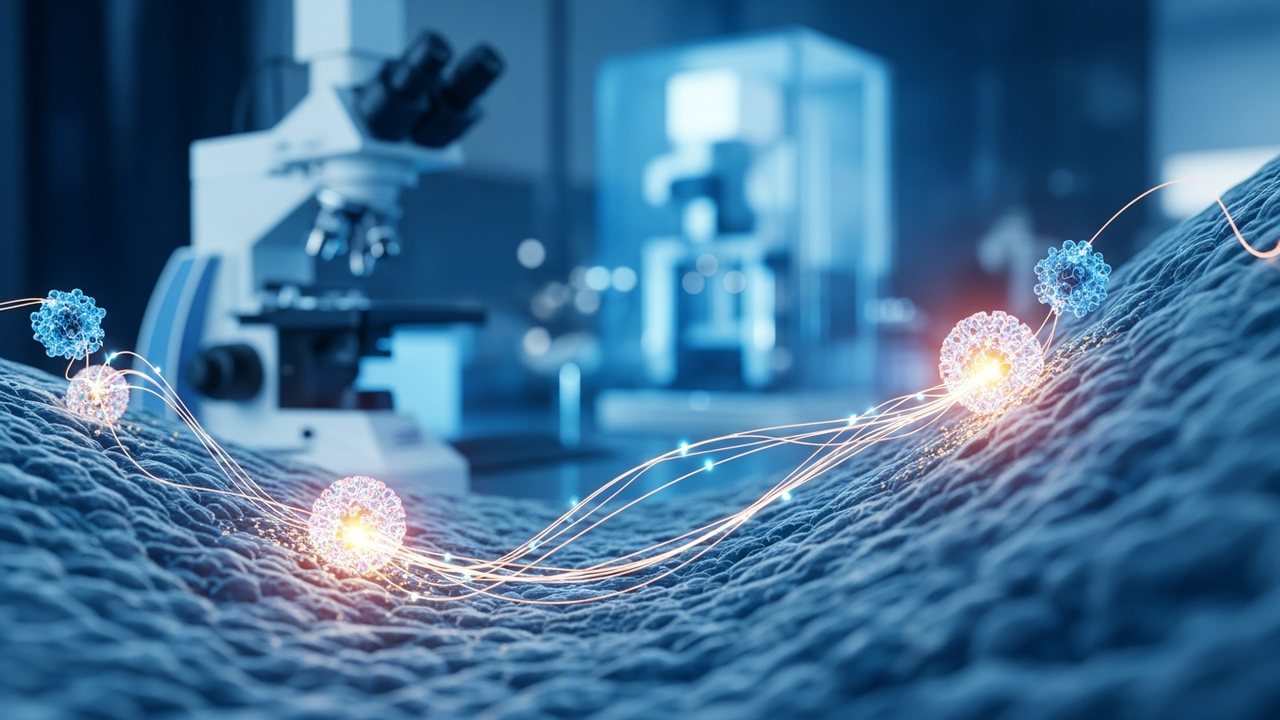
A recent review in Nature Materials provides a comprehensive overview of innovative strategies for the precise delivery of messenger RNA (mRNA) to specific cells and tissues. This research focuses on techniques that minimize off-target effects while maximizing the efficiency of mRNA delivery, thereby unlocking the full therapeutic potential of mRNA in vaccine development and gene therapies. Crucially, the review underscores the vital role of biosensors in monitoring both the delivery process and subsequent cellular responses, promising to significantly enhance the safety and efficacy of these treatments.
Technical & Clinical Details
The review details the advancements in various mRNA delivery systems, including lipid nanoparticles (LNPs), polymeric nanoparticles, viral vectors, and extracellular vesicles. These systems are meticulously engineered to protect mRNA from degradation in vivo and to facilitate its efficient uptake by target cells. Particular emphasis is placed on surface modification techniques to enhance targeting specificity and mechanisms to improve endosomal escape within cells. Such innovations reduce the risk of mRNA reaching unintended cells, ensuring efficient protein expression in the desired cellular populations. Biosensors are positioned as powerful tools for real-time tracking of nanoparticle biodistribution, cellular internalization, and mRNA translation, providing critical data for optimizing delivery parameters.
Background & Context
Since its global recognition with COVID-19 vaccines, mRNA technology has emerged as a cornerstone for diverse therapeutic applications, including cancer immunotherapy, gene editing, and regenerative medicine. However, the inherent instability of mRNA, its rapid degradation in biological environments, and the challenge of efficient cell-specific delivery have been significant hurdles. The evolution of precision delivery technologies is therefore indispensable for overcoming these challenges and accelerating the clinical translation of mRNA-based therapies. The synergy with biosensors represents a pivotal step towards optimizing therapeutic protocols and realizing personalized medicine.
Strategic Significance & Outlook
While still evolving, precision mRNA delivery technology is advancing rapidly and is poised to revolutionize the design of next-generation vaccines and gene therapies. Future efforts will concentrate on developing even safer and more efficient delivery systems, integrating non-invasive monitoring technologies, and ensuring scalability for large-scale production. Biosensors are expected to play an increasingly critical role in evaluating pharmacokinetics and pharmacodynamics in clinical trials, as well as in personalizing treatments for individual patients. This research provides a fundamental basis for shaping the future of medicine, offering profound implications for global health.
Source: #
Get our weekly technology intelligence — free
Receive an infographic that lets you judge at a glance whether each field’s analysis report is worth reading.
Subscribe Free — Weekly Tech Intelligence
By subscribing, you’ll receive Troy-Technical’s weekly technology intelligence newsletter.
- Your email and selected fields are used only to deliver the newsletter.
- We never share your information with third parties.
- You can unsubscribe anytime via the link in each email.
See our Privacy Policy for details.
Takes about a minute · Unsubscribe anytime