Background
Cancer and autoimmune diseases often stem from complex immune system dysfunctions, and developing effective treatments for them remains a significant challenge. While immunotherapies have shown dramatic success in many patients, a substantial population experiences non-response or develops resistance. Artificial intelligence holds immense potential to dramatically transform drug discovery by extracting meaningful patterns and uncovering insights from vast biological datasets that human analysis often misses. As a leading pharmaceutical company dedicated to researching and developing innovative medicines, Boehringer Ingelheim actively seeks to leverage AI technology to create groundbreaking therapies for these difficult-to-treat diseases.
Key Findings
Boehringer Ingelheim (BI) has committed a $15 million investment to Immunai’s cutting-edge AI platform, simultaneously forging a collaborative research agreement in the fields of oncology and autoimmune diseases. This strategic alliance aims to leverage Immunai’s AI technology to deeply analyze patient T-cell profiles, thereby accelerating the discovery and development of innovative drug candidates for conditions that have historically proven challenging to treat.
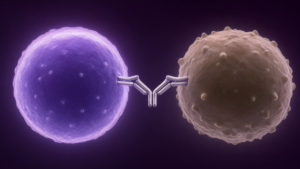
Immunai’s AI platform possesses the capability to integrate and analyze diverse immunological data, including single-cell sequencing, mass cytometry, and spatial transcriptomics, alongside extensive clinical data. This powerful integration enables the high-precision identification of T-cell activation states, functions, and clonal characteristics in cancer and autoimmune disease patients. These capabilities facilitate the discovery of crucial biomarkers linked to disease progression and treatment response. Through the collaboration with BI, insights generated by the AI will drive the identification of novel therapeutic targets, optimize drug candidates, and elucidate mechanisms of treatment resistance, paving the way for personalized medicine.
Significance & Outlook
BI’s investment in Immunai’s AI platform and the subsequent collaborative research represent a crucial step toward accelerating next-generation drug discovery in immuno-oncology and autoimmune disease treatment. As AI elucidates the complex dynamics of T-cells and identifies more effective therapeutic targets, we anticipate significant advancements in personalized medicine. Should drug candidates emerging from this partnership succeed in clinical development, they will substantially strengthen BI’s pipeline and offer profound therapeutic benefits to patients suffering from cancer and autoimmune diseases. For the broader industry, this integration of AI and immunology is expected to serve as a model case, demonstrating how to significantly enhance drug discovery efficiency and success rates.
Source: #
Get our weekly technology intelligence — free
Receive an infographic that lets you judge at a glance whether each field’s analysis report is worth reading.
Subscribe Free — Weekly Tech Intelligence
By subscribing, you’ll receive Troy-Technical’s weekly technology intelligence newsletter.
- Your email and selected fields are used only to deliver the newsletter.
- We never share your information with third parties.
- You can unsubscribe anytime via the link in each email.
See our Privacy Policy for details.
Takes about a minute · Unsubscribe anytime