Key Findings
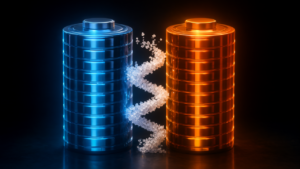
As of 2026, sodium-ion battery technology is undergoing rapid innovations, with some studies suggesting the potential to achieve up to 90% of the energy density offered by lithium-ion batteries. This represents a critical breakthrough, significantly enhancing the competitiveness of sodium-ion as a next-generation energy storage solution.
Technical Details
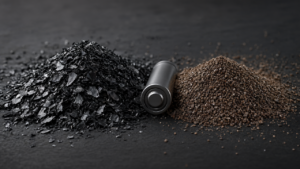
The remarkable increase in energy density is primarily attributed to advancements in anode materials. Researchers are actively exploring alternative anode materials such as sodium titanate and hard carbon, which improve both charging speed and overall efficiency. These novel materials facilitate stable sodium-ion intercalation and de-intercalation, contributing to extended cycle life. Concurrently, significant progress has been made in battery design, leading to enhanced thermal stability and reduced risks of thermal runaway. These design improvements bolster the safety and reliability of sodium-ion batteries, paving the way for their adoption in a broader range of applications where safety is paramount.
Background & Context
Sodium-ion batteries have garnered substantial attention in recent years as a promising alternative to address the challenges associated with lithium-ion technology, including the uneven distribution of lithium resources, price volatility, and supply chain instabilities. Their ability to operate without expensive and scarce metals like cobalt and nickel offers substantial advantages in terms of cost reduction and sustainability. Practical applications are accelerating, particularly in stationary energy storage and specific electric vehicle (EV) segments, where their superior cost-effectiveness and inherent safety profile are highly valued. The latest innovations demonstrate that sodium-ion batteries are not merely a low-cost substitute but possess the latent capacity to rival lithium-ion batteries in high-performance metrics.
Strategic Significance & Outlook
With energy densities nearing 90% of lithium-ion batteries and improved thermal stability, sodium-ion batteries are poised for rapid market expansion in the coming years. Their adoption is expected to accelerate particularly in grid-scale energy storage systems, commercial vehicles, and certain consumer electronics. Continued advancements in research and development, coupled with further cost reductions, are anticipated to establish sodium-ion batteries as a cornerstone of the sustainable energy transition, diversifying the energy storage landscape and bolstering global energy security.
Source: https://www.csit-energy.com/blog/best-sodium-ion-battery-innovations-2026/
Get our weekly technology intelligence — free
Receive an infographic that lets you judge at a glance whether each field’s analysis report is worth reading.
Subscribe Free — Weekly Tech Intelligence
By subscribing, you’ll receive Troy-Technical’s weekly technology intelligence newsletter.
- Your email and selected fields are used only to deliver the newsletter.
- We never share your information with third parties.
- You can unsubscribe anytime via the link in each email.
See our Privacy Policy for details.
Takes about a minute · Unsubscribe anytime