Key Findings
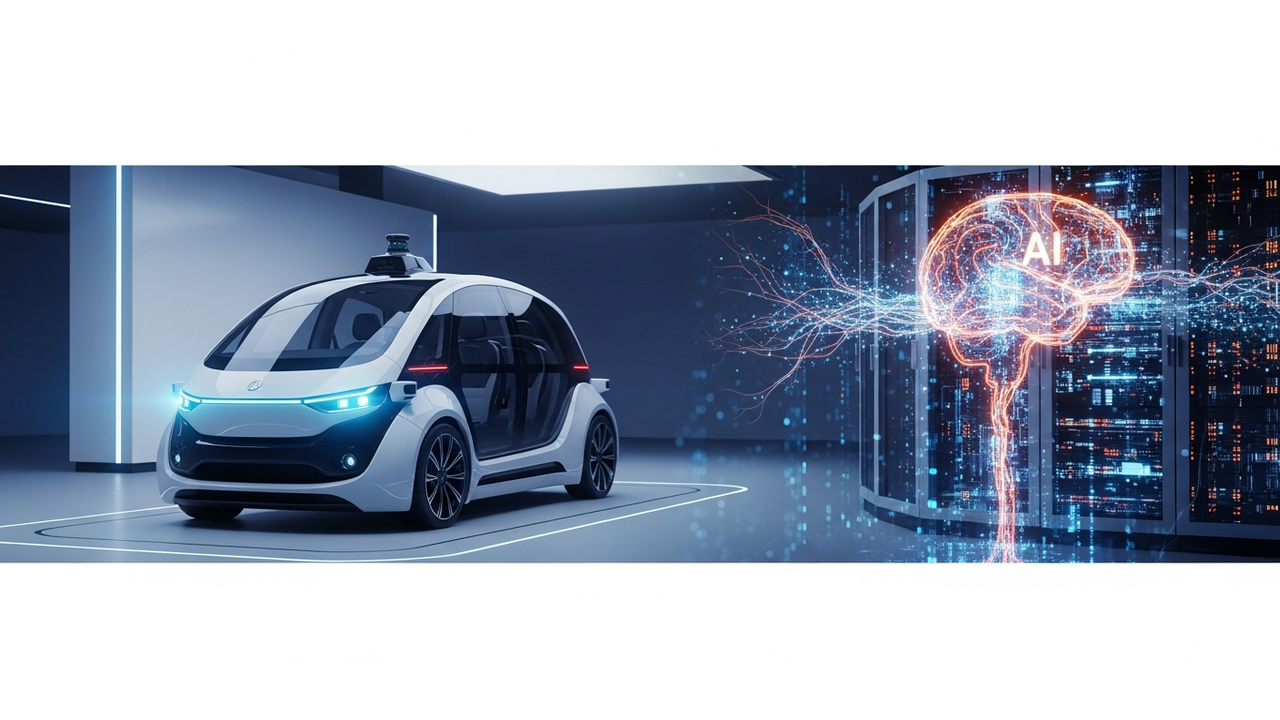
CaoCao Mobility has unveiled its ambitious ‘RoboX’ plan, a comprehensive system-wide upgrade designed to target the next phase of autonomous driving. This initiative focuses on achieving commercial viability through the deployment of driverless vehicles, AI-based operational management, and expanded mobility services, with the ultimate goal of advancing towards Level 4 (L4) autonomous driving capabilities.
Technical / Clinical Details
At the heart of the ‘RoboX’ plan is the introduction of an AI-driven “brain” that manages operational tasks such as demand forecasting, supply matching, and service fulfillment. This AI system analyzes vast amounts of real-time data, including traffic conditions, user demand patterns, and vehicle operational status, to autonomously optimize dispatching, route planning, and service delivery. This is expected to maximize operational efficiency, reduce waiting times, and improve overall service quality. The target of L4 autonomous driving means vehicles will be capable of fully autonomous operation without human intervention under specific operational design domains (ODDs), such as defined geographical areas and environmental conditions.
The system integrates advanced sensor fusion technologies (LiDAR, radar, cameras), high-definition mapping, and reinforcement learning-based decision-making algorithms to ensure safe and efficient operation in complex urban environments. Continuous learning through repeated simulations and real-world testing will allow the AI “brain” to constantly improve its performance. The L4 deployment is expected to begin in limited urban areas, gradually expanding its operational range.
Background & Context
Autonomous driving technology holds immense potential to enhance safety, alleviate traffic congestion, and create new mobility services. However, technical challenges, high development costs, and regulatory uncertainties have historically hindered its widespread adoption. The Chinese government is actively promoting the commercial use of autonomous driving technology, particularly L4, through supportive policy signals, including drafting national standards and rules for public road use. Such governmental backing provides a strong incentive for companies like CaoCao Mobility to accelerate technological development and commercialization.
Strategic Significance & Outlook
CaoCao Mobility’s ‘RoboX’ plan is poised to become a significant test case for the commercial utilization of AI in the physical world. By generating revenue through transportation and logistics services, it aims to establish a sustainable business model for autonomous driving technology. The commercialization of L4 autonomous driving is expected to contribute significantly to China’s smart city development and economic growth, while also accelerating the transformation of the global mobility industry. However, establishing technological reliability, ensuring cybersecurity, and gaining public acceptance remain crucial factors for the plan’s success.
Source: https://kr-asia.com/caocao-mobilitys-robox-plan-targets-autonomous-drivings-next-phase
Get our weekly technology intelligence — free
Receive an infographic that lets you judge at a glance whether each field’s analysis report is worth reading.
Subscribe Free — Weekly Tech Intelligence
By subscribing, you’ll receive Troy-Technical’s weekly technology intelligence newsletter.
- Your email and selected fields are used only to deliver the newsletter.
- We never share your information with third parties.
- You can unsubscribe anytime via the link in each email.
See our Privacy Policy for details.
Takes about a minute · Unsubscribe anytime