
Key Findings
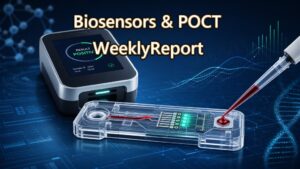
MEDICA, the leading German medical trade fair, has underscored the indispensable role of Point-of-Care Testing (POCT) in emergency departments (EDs) for robustly supporting clinical decision-making in time-sensitive, critical situations. POCT, by delivering vital diagnostic results within minutes directly at the patient’s bedside, facilitates rapid triage, the application of medical expertise, and seamless integration with central laboratory services. This ultimately constructs a more efficient treatment pathway. The paramount value of POCT is realized in scenarios where swift clinical judgment is life-critical; it serves to complement, rather than supersede, the comprehensive diagnostic capabilities of central laboratories, thus enhancing the overall effectiveness of emergency care.
Technical / Clinical Details
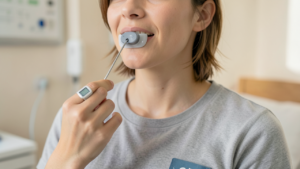
POCT devices utilized in emergency departments are designed to be compact, user-friendly, and capable of completing the entire testing process, from sample collection to result interpretation, within minutes. For instance, cardiac troponin T/I tests rapidly diagnose myocardial infarction in patients presenting with chest pain, guiding the need for urgent treatment. Blood gas analyzers evaluate oxygenation and acid-base balance in dyspneic patients, supporting immediate respiratory management. In infectious diseases, rapid antigen tests for influenza and COVID-19 enable patient isolation and early administration of antiviral medications. These POCT solutions eliminate the delays associated with sample transportation and batch processing in central laboratories, facilitating real-time decision-making. Consequently, patients receive more prompt diagnoses and treatments, directly correlating to improved prognoses, particularly for those in critical conditions.
Background & Context
Emergency departments are intensely busy environments, demanding rapid and accurate diagnoses for a large and diverse patient population arriving simultaneously. Traditional laboratory processes, involving specimen transport, processing, and reporting in central labs, often resulted in significant delays, risking delayed treatment initiation, especially for highly urgent cases. POCT mitigates this bottleneck by enabling direct testing at the ‘point of care’—be it the examination room, bedside, or even within an ambulance—thereby drastically reducing the time from diagnosis to treatment. This adoption streamlines healthcare professionals’ workflows, enhances patient satisfaction, and contributes to the optimization of medical resources. Global pandemics have further amplified the criticality of POCT, reaffirming its indispensable role in emergency diagnostics.
Strategic Significance & Outlook
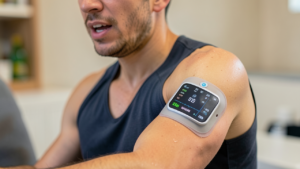
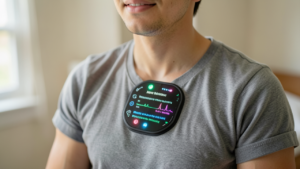
The role of POCT in emergency departments is anticipated to expand and evolve significantly in the coming years. Future developments will likely include multifunctional POCT devices capable of detecting a wider array of biomarkers, as well as smart POCT systems integrated with Artificial Intelligence (AI). AI is expected to analyze complex test results and assist with clinical risk assessments, further enhancing diagnostic accuracy and speed. Moreover, integration with wearable technologies and telemedicine could enable real-time monitoring of patients’ conditions even before their arrival at the ED, allowing for earlier interventions. This synergistic approach will dramatically improve the efficiency and effectiveness of emergency medical care, establishing a powerful foundation for saving lives and improving patient outcomes.
Get our weekly technology intelligence — free
Receive an infographic that lets you judge at a glance whether each field’s analysis report is worth reading.
Subscribe Free — Weekly Tech Intelligence
By subscribing, you’ll receive Troy-Technical’s weekly technology intelligence newsletter.
- Your email and selected fields are used only to deliver the newsletter.
- We never share your information with third parties.
- You can unsubscribe anytime via the link in each email.
See our Privacy Policy for details.
Takes about a minute · Unsubscribe anytime



Comments