Key Findings
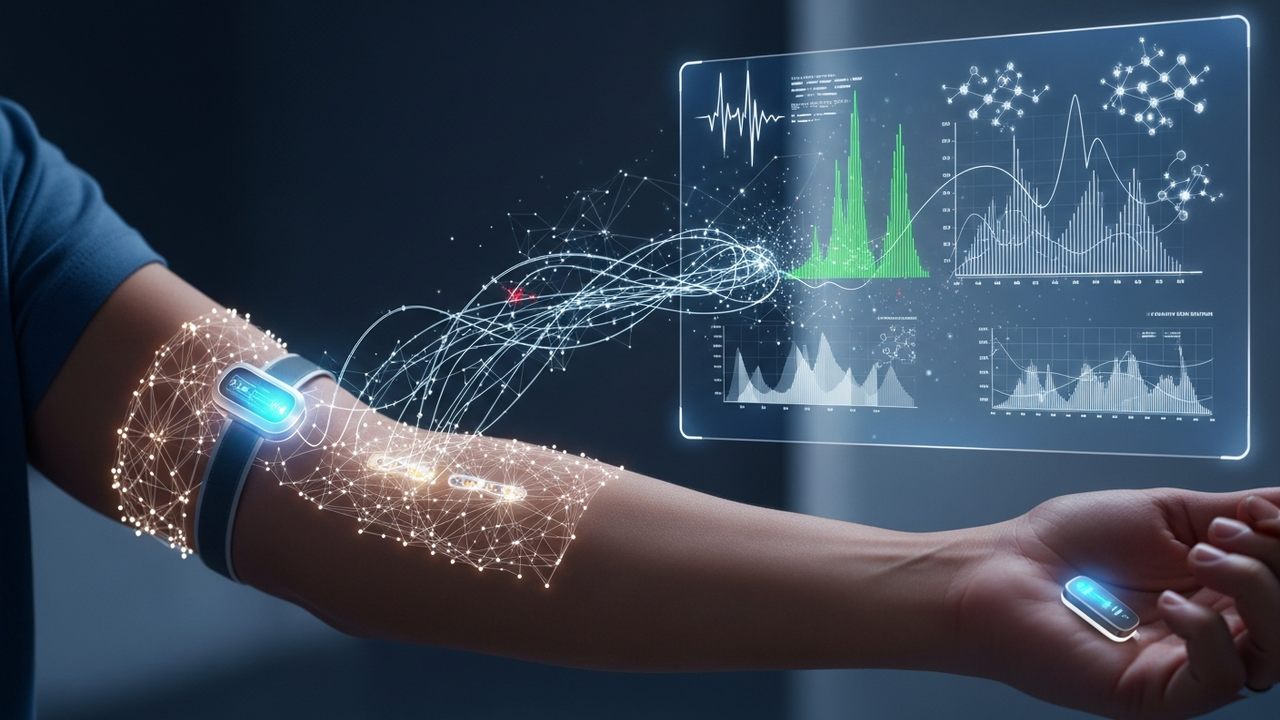
The concept of self-powered intelligence is shown to play a crucial role in shaping the future of personalized healthcare. This innovative approach, through the synergistic integration of energy harvesting, efficient circuit design, and intelligent algorithms, enables real-time physiological monitoring and early disease detection via wearable and implantable devices.
Technical/Clinical Details
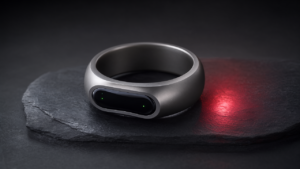
At the core of self-powered intelligence is energy harvesting technology, which collects ambient energy (e.g., body heat, motion, solar light) and utilizes it to power the device’s operation. This minimizes the need for battery replacements and enables long-term autonomous operation of the device. Flexible electronics technology allows for the design of comfortable, discreet sensors that can conform to the skin or be implanted within the body. These sensors continuously collect various physiological data, such as heart rate, body temperature, blood glucose levels, blood pressure, and sweat biomarkers. The collected data are processed and analyzed in real-time by embedded low-power circuits and advanced AI algorithms. AI learns an individual’s health baseline and identifies abnormal patterns or early signs of disease, enabling early warnings and personalized health interventions. This framework merges advancements in biomedical engineering with the analytical capabilities of AI, providing a platform that supports continuous health assessment and adaptive decision-making.
Background & Context
The shift towards personalized and preventive medicine is a major trend in modern healthcare. However, existing monitoring devices have faced challenges such as limited battery life, fragmented data, or issues with user adherence. Self-powered intelligence overcomes these challenges, offering more seamless and less burdensome health management solutions for users. This is particularly valuable in remote patient monitoring, chronic disease management, and health promotion programs.Strategic Significance & Outlook
Self-powered intelligence has the potential to dramatically improve the accessibility and effectiveness of personalized healthcare. In the future, these systems are expected to become even more sophisticated, evolving towards the detection of a wider range of biomarkers, more complex disease predictive modeling, and autonomous therapeutic recommendations driven by AI. As integration into smart clothing, smart contact lenses, and highly biocompatible implantable devices progresses, individuals will be able to gain a deeper understanding of their health status and actively engage in disease prevention and early treatment. This is expected to significantly contribute to reducing healthcare costs and extending global healthy life expectancies.
Source: https://academic.oup.com/nsr/article/doi/10.1093/nsr/nwag317/8696388
Get our weekly technology intelligence — free
Receive an infographic that lets you judge at a glance whether each field’s analysis report is worth reading.
Subscribe Free — Weekly Tech Intelligence
By subscribing, you’ll receive Troy-Technical’s weekly technology intelligence newsletter.
- Your email and selected fields are used only to deliver the newsletter.
- We never share your information with third parties.
- You can unsubscribe anytime via the link in each email.
See our Privacy Policy for details.
Takes about a minute · Unsubscribe anytime