Key Findings
Antibody-drug conjugates (ADCs) are generating substantial excitement as a future therapeutic option for patients with epithelioid hemangioendothelioma (EHE), a rare and difficult-to-treat cancer. ADCs hold the potential to deliver potent anti-tumor effects with higher target specificity and reduced side effects compared to conventional chemotherapy, thereby offering a new treatment paradigm for EHE patients who currently have extremely limited options.
Technical/Clinical Details
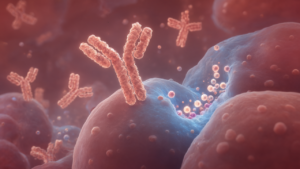
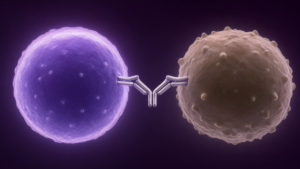
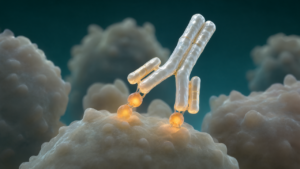
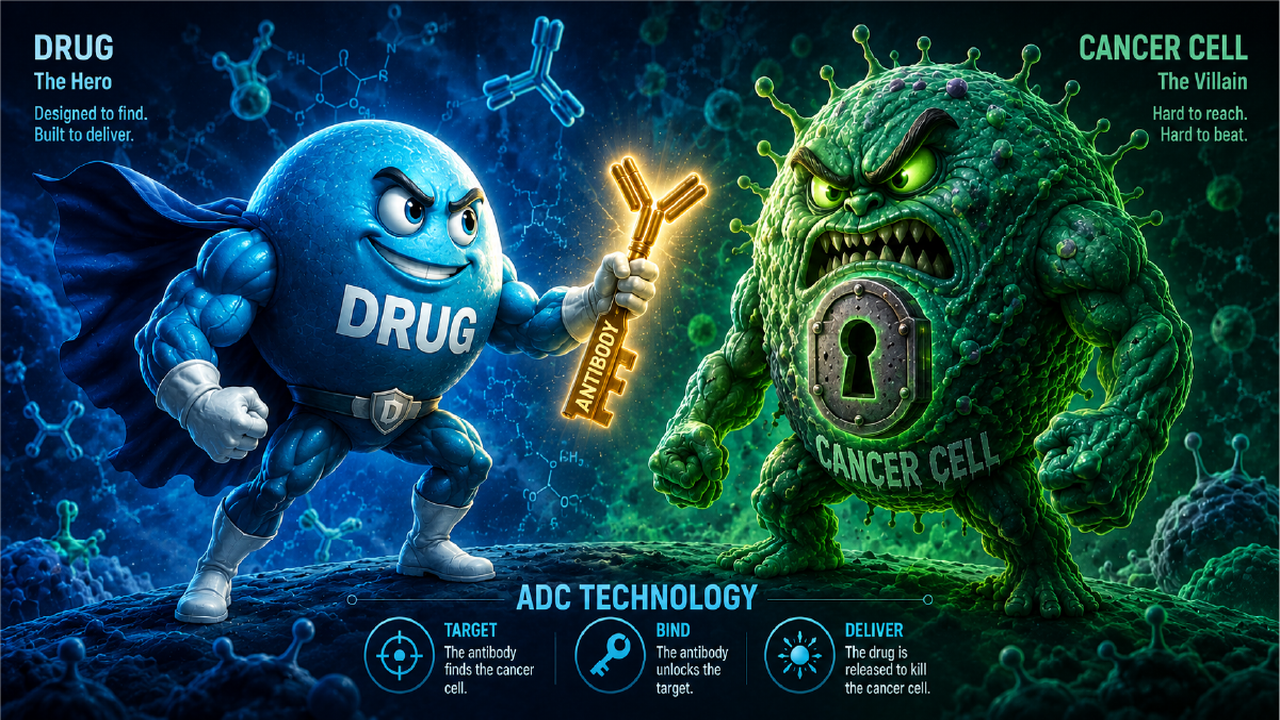
ADCs, often referred to as ‘guided missiles,’ are designed to selectively deliver highly potent anticancer agents to cancer cells that express specific antigens. An ADC typically consists of an antibody component that recognizes a particular protein on the cancer cell surface, a cytotoxic drug payload that kills the cancer cell once internalized, and a linker that connects the two. This mechanism ensures concentrated drug action on cancer cells while minimizing damage to healthy tissues. EHE is a rare, intermediate-malignancy tumor derived from vascular endothelial cells, characterized by specific genetic fusions (WWTR1-CAMTA1 or YAP1-TFE3) and potentially expressing specific surface markers. Research in ADCs for EHE involves identifying novel target antigens possibly expressed on EHE cells and developing appropriate antibodies that bind to them. At the ASCO 2026 annual meeting, a dedicated session on the clinical application and advancements of ADCs in sarcomas highlighted the rapid development and clinical significance of this modality for sarcomas like EHE. This has spurred deeper discussions about integrating ADCs into EHE treatment strategies.
Background & Context
Epithelioid hemangioendothelioma (EHE) is a very rare vascular endothelial tumor that can arise in various locations and follow an unpredictable course. While existing treatments include surgery, radiation therapy, and conventional chemotherapy, effective systemic therapies for advanced or metastatic EHE are lacking, representing a high unmet medical need. ADC technology has already been approved and demonstrated excellent clinical outcomes in several solid tumors such, breast, lung, and gastric cancers. Building on this success, its application to other cancer types, especially rare cancers, is being actively explored. The development of ADCs for rare cancers like EHE signifies a significant advancement in precision medicine and offers hope to patient populations previously underserved by therapeutic options.
Strategic Significance & Outlook
The introduction of ADCs in EHE treatment holds immense potential to improve patient prognosis and quality of life. Future efforts are expected to focus on further identifying EHE-specific target antigens and developing corresponding ADCs. Clinical trials will be essential to establish the efficacy, safety, and optimal dosing regimens of ADCs in EHE patients. The success of ADCs could transform EHE into a more manageable disease and influence research into other rare sarcomas. Looking ahead, leveraging ADCs as monotherapy or in combination with other treatments (e.g., immunotherapy) is anticipated to provide personalized and more potent therapeutic strategies for EHE patients.
Source: https://fightehe.org/adcs-unlocking-future-treatment-advances-for-ehe/
Get our weekly technology intelligence — free
Receive an infographic that lets you judge at a glance whether each field’s analysis report is worth reading.
Subscribe Free — Weekly Tech Intelligence
By subscribing, you’ll receive Troy-Technical’s weekly technology intelligence newsletter.
- Your email and selected fields are used only to deliver the newsletter.
- We never share your information with third parties.
- You can unsubscribe anytime via the link in each email.
See our Privacy Policy for details.
Takes about a minute · Unsubscribe anytime