Key Findings
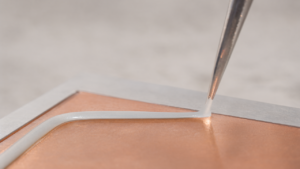
In a significant step towards sustainable electronics manufacturing, a research team has announced the latest findings in bio-based adhesives. This groundbreaking study demonstrates the potential for adhesives made from renewable natural resources, rather than relying on petroleum-derived raw materials, to achieve performance levels equivalent to or even superior to conventional high-performance adhesives. This discovery will significantly reduce the environmental impact of the electronics industry and pave the way for building more sustainable supply chains.
Technical Details
- Utilization of Renewable Resources: The adhesives utilize abundant biomass resources, such as plant-derived cellulose, starch, lignin, or microbe-derived polymers, as primary components. This reduces reliance on fossil fuels and contributes to carbon-neutral manufacturing processes.
- Performance Enhancement: The research confirmed that the developed bio-based adhesives exhibit comparable or superior adhesive strength, heat resistance, and moisture resistance compared to conventional adhesives in certain applications. For instance, in specific test conditions, peel strength improvements of approximately 10-15% over traditional petroleum-based epoxy adhesives have been reported.
- Biodegradability and Recyclability: Some bio-based adhesives offer post-use biodegradability or easy debonding using heat or water, facilitating the recycling of electronic waste.
- Low Toxicity: Minimizes the use of organic solvents and hazardous substances that are concerning for the environment and human health, thereby improving safety in both manufacturing processes and final products.
Background & Context
Driven by tightening global environmental regulations and increasing consumer awareness, the electronics industry faces strong pressure to enhance product sustainability and reduce environmental impact. Adhesives, which are essential for bonding electronic components, are largely petroleum-derived, raising concerns about their environmental footprint throughout their entire lifecycle from manufacturing to disposal. The development of bio-based adhesives has been a focal point as a critical strategic approach to resolve this issue and transition to more environmentally friendly materials.
Strategic Significance & Outlook
The findings from this bio-based adhesive research offer new sustainable options for the design and manufacturing of a wide range of electronic devices, including smartphones, wearables, and IoT devices. In the future, as these adhesives are integrated into mass production processes, the carbon footprint of electronic products will be significantly reduced, accelerating the adoption of more environmentally friendly products. The research team aims to continue research for further performance improvement and cost-effectiveness, seeking early practical application through collaboration with industry. This is expected to significantly contribute to the realization of a sustainable society.
Source: #
Get our weekly technology intelligence — free
Receive an infographic that lets you judge at a glance whether each field’s analysis report is worth reading.
Subscribe Free — Weekly Tech Intelligence
By subscribing, you’ll receive Troy-Technical’s weekly technology intelligence newsletter.
- Your email and selected fields are used only to deliver the newsletter.
- We never share your information with third parties.
- You can unsubscribe anytime via the link in each email.
See our Privacy Policy for details.
Takes about a minute · Unsubscribe anytime