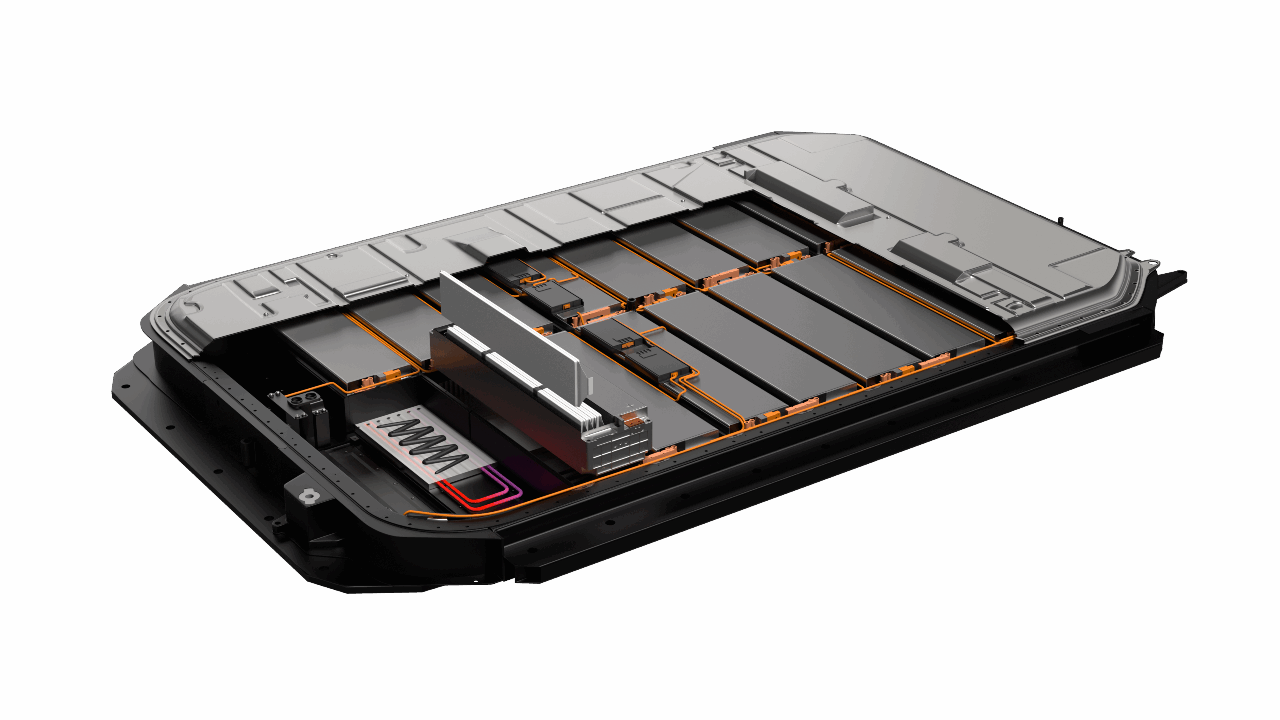
Background and EV Battery Thermal Management Challenges
The rapid expansion and performance enhancement of electric vehicles (EVs) have spurred significant advancements in battery energy density and fast-charging technologies. This trend leads to a substantial increase in heat generation within battery packs, making efficient and reliable thermal management a paramount factor dictating battery safety, lifespan, and overall performance. Key challenges for battery manufacturers and OEMs include mitigating thermal runaway risks, alleviating stress from thermal expansion, and optimizing manufacturing efficiency. Furthermore, novel cell-to-pack and cell-to-chassis architectures necessitate superior thermal conduction pathways between battery cells and the cooling systems.
Key Findings and Technical Features
Henkel has responded to these critical requirements by launching two new products to bolster its EV battery thermal management solutions:
- Bergquist TGF 2030APS Gap Filler: This two-component gap filler features a thermal conductivity of 1.7 W/m·K and is notably silicone-free. The silicone-free formulation eliminates potential risks associated with silicone migration, ensuring cleaner manufacturing environments and enhanced long-term reliability. It is designed for high-speed dispensing and cures at room temperature, contributing to improved manufacturing efficiency and reduced energy consumption. Its low compressive stress ensures minimal mechanical impact on delicate battery cells while creating an effective thermal pathway.
- Loctite TLB 9270APS Adhesive: This two-component, polyurethane-based adhesive boasts a thermal conductivity of 2 W/m·K, coupled with exceptional bonding strength and electrical insulation properties. Specifically developed for ‘cell-to-pack’ designs, where individual cells are directly bonded to the battery pack structure, it provides robust structural support while simultaneously enabling efficient heat diffusion. Being a solvent-free formulation, it also contributes to a lower environmental footprint.
Technical Significance and Outlook
Henkel’s new product offerings represent a crucial step forward in supporting the evolution of EV battery technology. The Bergquist TGF 2030APS enhances assembly reliability in environments sensitive to silicone, while the Loctite TLB 9270APS integrates high thermal conductivity with structural adhesion, increasing design flexibility for battery packs. Both products are engineered to manage the heat generated during rapid charging, thereby reducing the risk of thermal runaway and consequently improving EV safety and longevity. Furthermore, features like room-temperature curing and solvent-free formulations contribute to greener manufacturing processes and potential cost savings. As the EV battery market continues its rapid expansion and demands for energy density and charging speed intensify, these advanced thermal management materials are anticipated to play an indispensable role in the development of next-generation EV platforms globally, setting new benchmarks for performance and sustainability.