Background and Challenges in Transparent Material Bonding
Bonding and repairing transparent materials such as glass and acrylic pose significant challenges due to the dual requirements of aesthetic integrity and functional performance. Traditional adhesives often fall short: cyanoacrylates (super glues) can generate a white powdery residue (blooming) that fogs the bond line and trap air bubbles, while many epoxy adhesives tend to yellow over time, compromising transparency. These issues directly lead to quality degradation and aesthetic loss in products demanding high clarity and precise finishes, such as displays, optical lenses, decorative items, and medical devices. Consequently, there has been a pressing need for innovative solutions capable of achieving virtually “invisible” bonds in transparent materials.
Key Findings and Technical Advantages of UV Adhesives
UV-curable adhesives are highlighted as a fundamental solution to these challenges, emphasizing their superior technical advantages in transparent bonding and repair applications. The primary features and benefits of these adhesives include:
- Optical Clarity: UV adhesives maintain exceptional transparency after curing, rendering the adhesive layer virtually invisible. This characteristic is particularly critical for optical components and multi-layered display assemblies.
- Rapid, On-Demand Curing: Curing is initiated and completed within a mere 5 to 10 seconds upon exposure to ultraviolet (UV) light. This significantly boosts productivity and allows for immediate component fixation after precise positioning, enhancing operational efficiency by eliminating the long waiting times associated with conventional adhesives.
- Low Shrinkage: Minimal shrinkage during curing reduces internal stress within the bond line, mitigating the risk of material distortion or delamination. This is crucial for maintaining precision and stability in large transparent panels and delicate optical components.
- Excellent Weatherability and Durability: Many UV adhesives offer superior resistance to moisture, chemicals, and weathering after curing, often exhibiting non-yellowing properties, which ensures long-term reliability and performance.
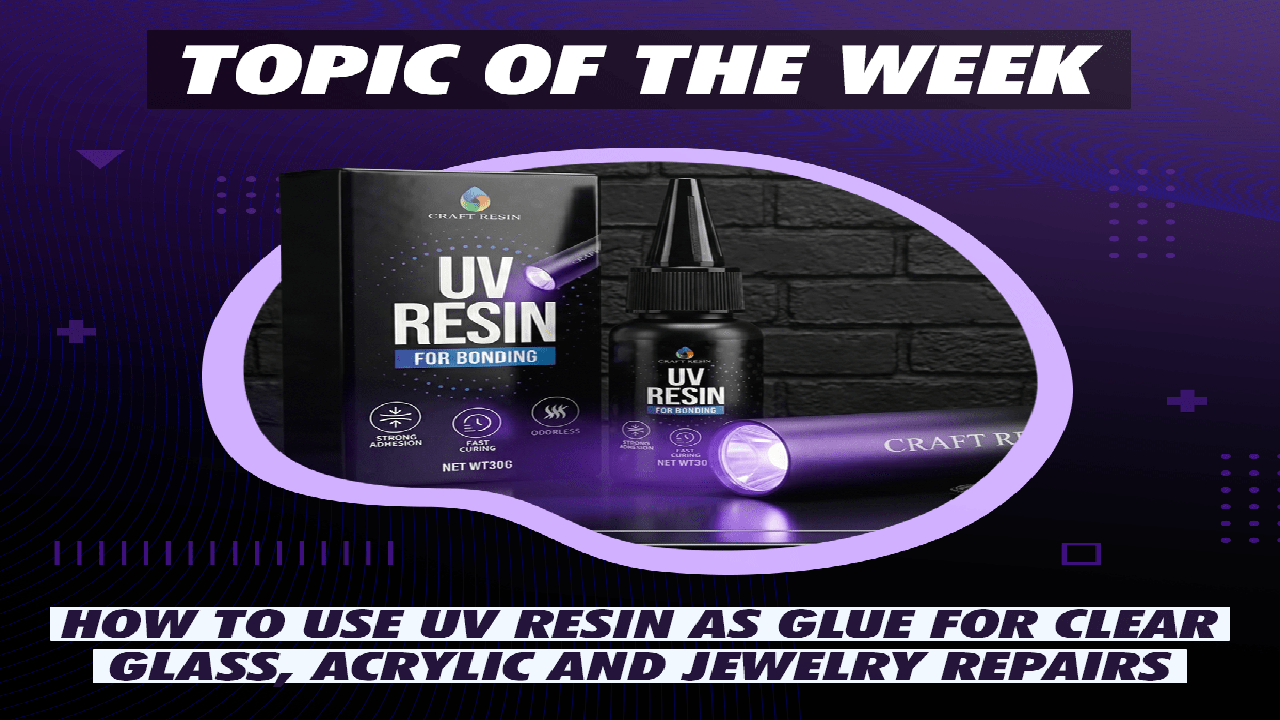
The article also differentiates between UV resins and UV adhesives, explaining that while UV resins are typically used for coatings or potting, UV adhesives are specifically formulated for bonding applications.
Technical Significance and Outlook
UV-curable adhesives are profoundly impacting various industrial sectors that require transparent material bonding. Their application spans consumer electronics (e.g., display bonding in smartphones and tablets), automotive (e.g., vehicle displays, headlight repair), medical devices (e.g., endoscopes, diagnostic equipment), optical instruments (e.g., lenses, prisms), and even arts and crafts. In fields demanding both high aesthetic appeal and critical functionality, the “invisible bond” capability of UV adhesives is a decisive factor in enhancing product value. Looking forward, with the advent of next-generation optical and electronic devices such as AR/VR headsets, flexible displays, and micro-LED displays, UV adhesives are expected to evolve further in performance and multifunctionality, increasing their indispensable role. The growing adoption of environmentally friendly UV LED curing systems will also continue to drive their widespread integration across industries.
Source: https://www.craft-resin.com/blogs/news/uv-glue-invisible-glass-acrylic-repair