Background
Water contamination, particularly by heavy metals, poses a severe threat to ecosystems and public health globally. Toxic heavy metals such as lead, cadmium, and mercury can induce long-term health issues even at minimal concentrations. While conventional laboratory-based detection methods for these pollutants offer high sensitivity, they necessitate costly equipment, intricate sample preparation, and specialized expertise. Consequently, there is an urgent demand for novel detection technologies that are cost-effective, rapid, and user-friendly for field-based environmental monitoring and regulatory compliance.
Key Findings
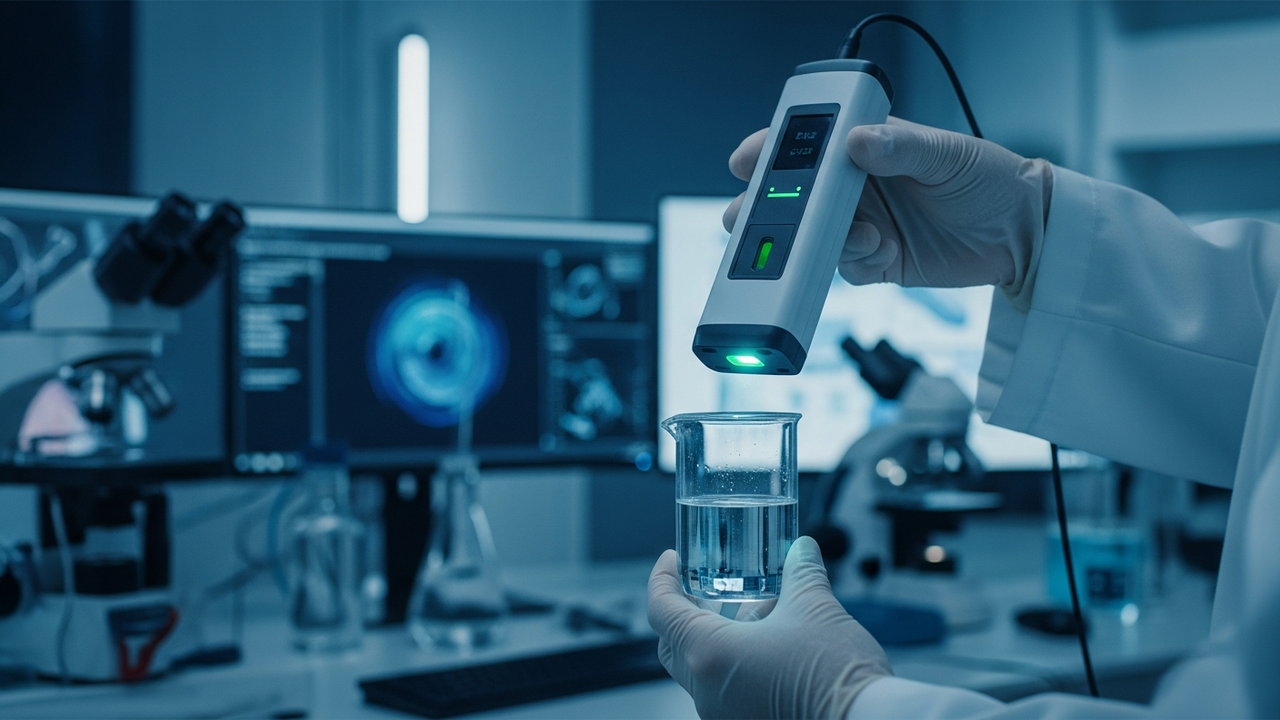
This research introduces a handheld, whole-cell biosensing detector engineered for the visual detection of highly toxic heavy metals in water. This innovative platform integrates the following key features:
- Leveraging Whole-Cell Biosensors: The system employs genetically engineered living microbial cells (e.g., bacteria) as biorecognition elements. These cells are designed to alter gene expression upon exposure to specific heavy metals, thereby generating a detectable signal (e.g., fluorescence or a distinct color change). This approach eliminates the requirement for complex biochemical reagent preparation, resulting in significant cost savings and enhanced operational simplicity.
- Simultaneous Detection of Cadmium and Mercury: The developed portable platform enables the simultaneous detection of two prevalent heavy metals, cadmium and mercury, which frequently co-occur in environmental samples. This capability underscores the critical importance of multiplexed detection for comprehensive environmental assessment.
- Detection Limits and Field Validation: The system achieves detection limits ranging from 10 to 100 μg L-1 (micrograms per liter), a sensitivity sufficient to comply with numerous environmental regulatory standards for heavy metals. Furthermore, its effectiveness and reliability were rigorously validated through field tests conducted using authentic river water samples.
- Remarkable Cost-Effectiveness: The device offers substantial cost advantages over conventional commercial field detection devices and kits. With a manufacturing cost of approximately $401.5 per unit and an individual test cost of around $0.33, it presents an exceptionally affordable solution. This affordability is a critical enabler for widespread deployment and enhanced accessibility in environmental monitoring.
- Portable and User-Friendly Design: Designed as a handheld unit, the device is readily portable and can be operated on-site by personnel without requiring extensive specialized training. Results are displayed visually and clearly, facilitating rapid decision-making and immediate action.
Technical Significance & Outlook
This handheld whole-cell biosensor holds the potential to profoundly transform water quality monitoring practices. Its inherent cost-effectiveness, operational simplicity, and on-site detection capabilities are paramount for effective environmental pollution surveillance, particularly in developing nations or regions with limited infrastructure. By facilitating rapid identification of pollution sources and enabling timely interventions, it plays a vital role in controlling the dissemination of heavy metals in the environment and mitigating associated public health risks. Looking ahead, the platform could be expanded to detect an even broader spectrum of heavy metals and other pollutants. Furthermore, its integration with IoT technology could enable real-time data transmission to the cloud, thereby establishing comprehensive, continuous environmental monitoring networks across extensive geographical areas. This technology is poised to become a powerful instrument, significantly contributing to global environmental protection and the achievement of sustainable development goals.







Comments