
Background: Challenges in Early Cancer Detection and the Need for Miniaturization
Cancer remains one of the leading causes of death globally, with early detection significantly impacting treatment success rates. However, existing cancer screening and diagnostic methods are often invasive, require large medical equipment, or are prohibitively expensive, making regular testing inaccessible for many. This challenge is particularly acute in developing countries and remote areas with limited access to medical resources. Consequently, there has been a strong demand for the development of cheaper, non-invasive, and portable early cancer detection technologies.
Innovative Technology of a Compact Cancer Detection Device
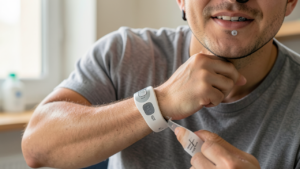
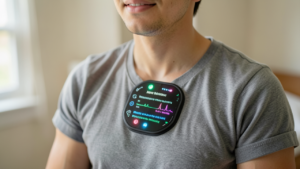
Addressing this challenge, a team led by Wen Liaoyong at Westlake University in China successfully miniaturized a cancer detection system, previously the size of a refrigerator, into a handheld device. This device integrates a 3D BIC (Biotin-streptavidin Interface Capture) sensing chip, an LED light source, and a photodetector. It is reported to achieve approximately 10,000 times higher accuracy compared to conventional detection methods, a feat attributed to the fusion of nanotechnology and advanced biosensing techniques. The device is capable of screening for early cancer biomarkers, such as lung cancer-related small extracellular vesicles (sEVs), using just a single drop of blood.
Clinical Performance and Future Impact
This compact device has shown extremely promising performance in clinical tests, achieving up to 94.9% accuracy in detecting early lung cancer and 92.1% accuracy for post-surgical monitoring. Such a high-accuracy, miniaturized device could enable not only medical institutions but also future routine home-based screening and use in remote clinics. This would dramatically improve access to early cancer detection, increasing diagnostic opportunities and thereby contributing to a global reduction in cancer mortality rates. This technology represents a significant step towards realizing precision medicine and has the potential to fundamentally transform the future of patient care.






Comments