
Background: Evolution and Challenges in Infectious Disease Diagnostics
Infectious disease diagnostics are undergoing rapid transformation, driven by responses to pandemics, the spread of antimicrobial resistance (AMR), and advancements in personalized medicine. Traditional diagnostic methods often entail long turnaround times or require specialized equipment, limiting rapid treatment initiation and public health interventions. The need for swift and accurate diagnosis is particularly acute in emergency departments and remote areas, where it directly impacts patient outcomes. Against this backdrop, new trends focusing on rapid molecular-level diagnostics are gaining prominence.
Molecular POCT and AI Fusion Driving the ’15-Minute Era’
One of the key trends redefining the future of infectious disease diagnostics is the entry of molecular Point-of-Care Testing (POCT) into a ’15-minute era.’ This signifies that highly accurate, multiplexed nucleic acid detection platforms can now deliver results within 15 minutes. This capability enables rapid diagnosis even in resource-limited settings like emergency departments and primary care clinics, significantly accelerating patient triage and treatment initiation. Furthermore, the integration of artificial intelligence (AI) with robust chemistry is transforming the diagnostic industry from a traditional reactive response model into a more proactive and predictive defense system. AI analyzes complex data patterns, enhancing diagnostic accuracy, expediting the identification of new pathogens, and even predicting future infectious disease outbreaks.
Technological Outlook and Societal Impact
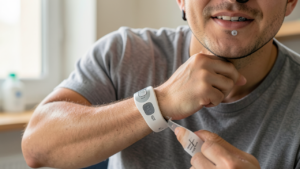
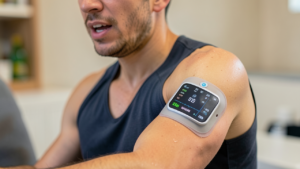
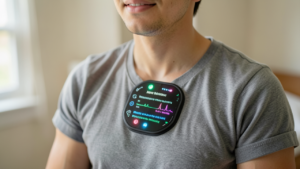
These trends are fostering a paradigm shift in diagnostic technology. The miniaturization and automation of molecular POCT facilitate its use outside centralized laboratories, improving healthcare access, particularly in developing countries and disaster-stricken regions. The application of AI not only reduces human error in diagnostic processes and enhances diagnostic objectivity and reproducibility but also contributes to public health strategy formulation through the analysis of large-scale epidemiological data. In the future, the integration of these technologies could realize ‘predictive medicine’ systems that continuously monitor individual health and provide early warnings for infectious disease risks, thereby contributing to the creation of a healthier and safer society by preventing the spread of infections.






Comments