Key Findings
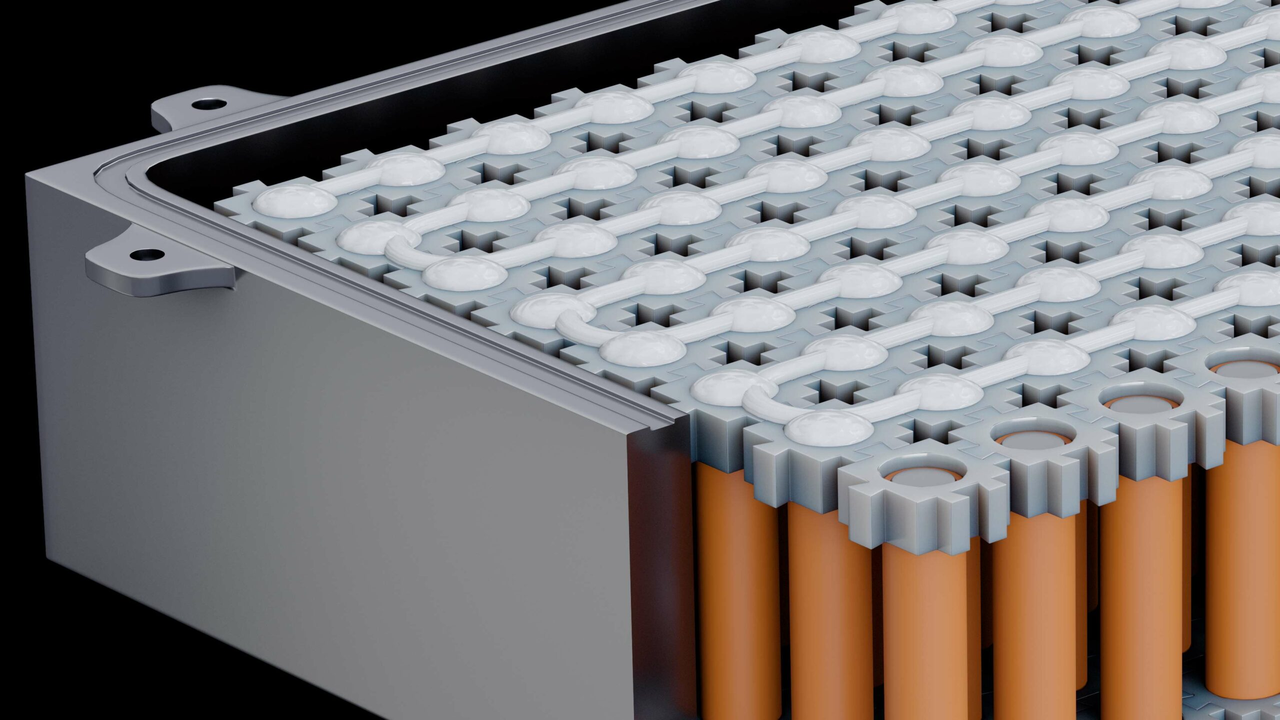
Parker Hannifin has unveiled CoolTherm SF-1000, a novel silicone foam material designed to significantly improve battery safety in cylindrical lithium-ion cell packs for electric vehicles (EVs). This liquid-dispensed, non-expanding solution effectively mitigates thermal runaway propagation, streamlining manufacturing processes and reducing system-level costs while enhancing overall safety.
Technical / Clinical Details
CoolTherm SF-1000 functions as a localized ‘fire blanket’ to prevent the spread of thermal runaway from an affected cell to adjacent cells within the battery pack. Applied as a liquid, it cures to form a robust barrier layer that provides both thermal insulation and physical protection. This material offers a compelling alternative to traditional rigid barriers, such as die-cut mica sheets, by allowing for automated, precise dispensing. This approach is expected to reduce manual labor in manufacturing, minimize component count and complexity, and improve production efficiency. Its non-expanding nature ensures that it does not create additional volumetric expansion during a thermal event, maintaining the design stability of the battery pack. Parker positions CoolTherm SF-1000 as a key component within its portfolio of advanced materials for battery safety, thermal management, and assembly.
Background & Context
With the rapid growth of the EV market, battery pack safety remains one of the foremost challenges. Thermal runaway propagation, in particular, poses a significant risk of severe incidents, making its prevention a top priority for manufacturers. Regulatory developments, such as the EU Battery Regulation 2023/1542, are also mandating enhanced thermal runaway mitigation strategies. While conventional solutions are effective, they often involve complex designs and high manufacturing costs. CoolTherm SF-1000 addresses these challenges by offering an innovative approach that balances performance and cost-efficiency while elevating battery safety.
Strategic Significance & Outlook
The introduction of CoolTherm SF-1000 holds the potential to revolutionize EV battery design and manufacturing processes. This material is anticipated to find applications not only in cylindrical cell battery packs but also in other cell formats (e.g., pouch, prismatic), contributing to overall EV safety improvements. In the future, it is expected to enable the development of higher energy density and safer battery packs, further accelerating the adoption of electric vehicles. Through this innovative technology, Parker Hannifin aims to strengthen its leadership in the e-mobility market and contribute to building sustainable and safe transportation systems.
Source: https://www.emobility-engineering.com/parker-cooltherm-ev-expo-stuttgart/