Key Findings
A recent PatSnap Eureka report highlights that a deep understanding of how thermal stress affects the long-term strength of battery adhesives is crucial for ensuring reliability in electric vehicle (EV) and grid-scale energy storage systems. There is an urgent need to develop high-temperature resistant adhesive systems that can maintain bonding strength and mechanical properties even under severe conditions of thermal cycling and potential thermal runaway events, preventing delamination and bond failure.
Technical / Clinical Details
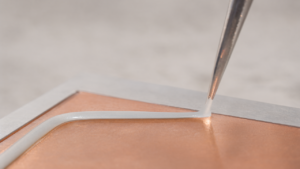
Battery adhesives play multiple roles, including mechanical fixation between cells, thermal management, and electrical insulation. However, EV batteries are exposed to extensive thermal cycling due to charge/discharge cycles, ambient temperature fluctuations, and potential thermal runaway events. This thermal stress can degrade the adhesive’s molecular structure, reducing its elasticity, strength, and adhesion. Research and development efforts are focusing on new-generation adhesive systems, such as epoxy resins with high glass transition temperatures (Tg), highly thermally stable silicones, and specific high-temperature polyimides. These materials are engineered to maintain stable performance over a wide temperature range, typically from -40°C to over 150°C, and are formulated with specialized fillers and additives to mitigate stress concentration at adhesive interfaces and minimize coefficient of thermal expansion (CTE) mismatch. This ensures that bonding strength is maintained, and delamination or cracking is suppressed even after prolonged thermal cycling and high-temperature exposure.
Background & Context
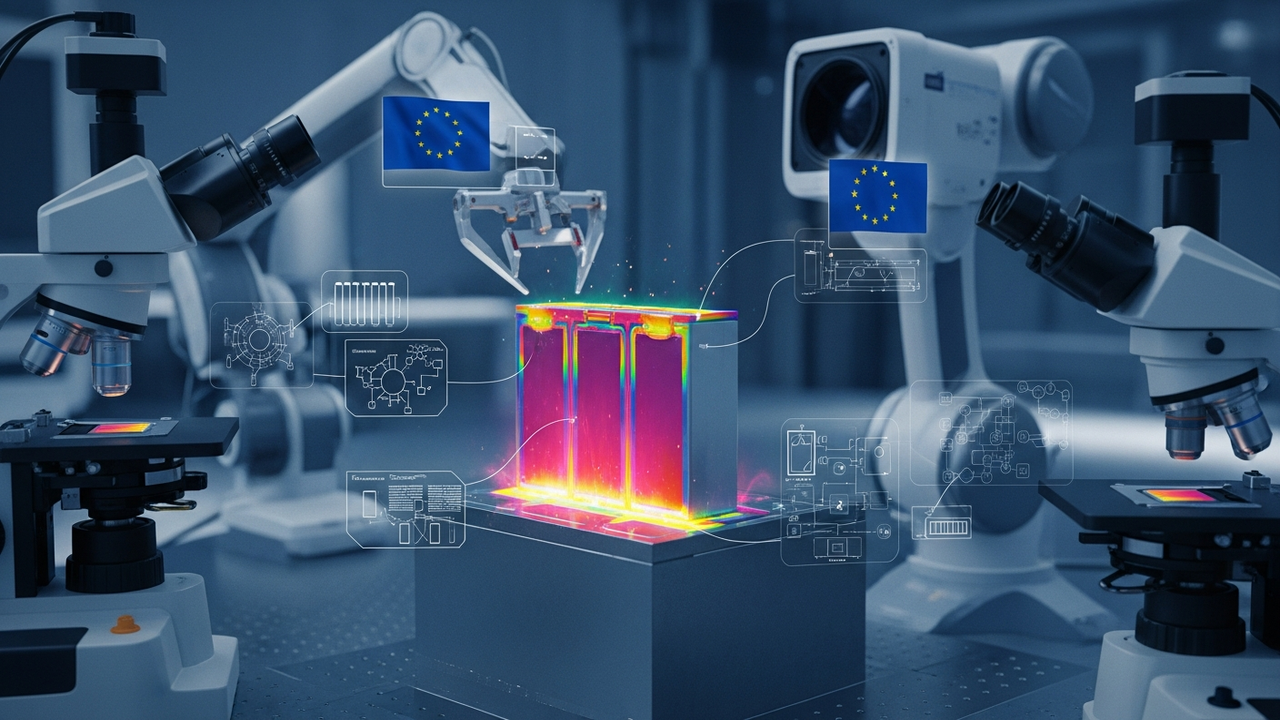
As the market for EVs and energy storage systems expands, battery safety and reliability have become paramount. Adhesives within battery packs play a critical role in both thermal management and structural integrity, meaning their degradation can lead to thermal runaway propagation or overall device failure. To address this issue, new regulations, including the EU’s Battery Regulation 2023/1542, have been introduced, strongly demanding lifecycle safety assessments and robust adhesive performance. Against this backdrop, innovation in adhesive technology is key to ensuring the long-term performance and safety of batteries.
Strategic Significance & Outlook
The development of thermal-stress-resistant battery adhesives is an indispensable component for next-generation EV and large-scale energy storage system designs. This will enable the realization of safer, longer-lasting, and higher-performance battery packs, further accelerating the adoption of electric vehicles and the integration of renewable energy. Moving forward, adhesive manufacturers and battery makers are expected to intensify their collaboration across material science, simulation modeling, and real-world testing to develop even more advanced adhesive solutions that maintain performance under extreme conditions. Furthermore, adhesives designed for recyclability, such as debond-on-demand technologies, will also be an important direction for future development.
Source: https://eureka.patsnap.com/report-how-thermal-stress-affects-strength-of-battery-adhesives-over-time