Background
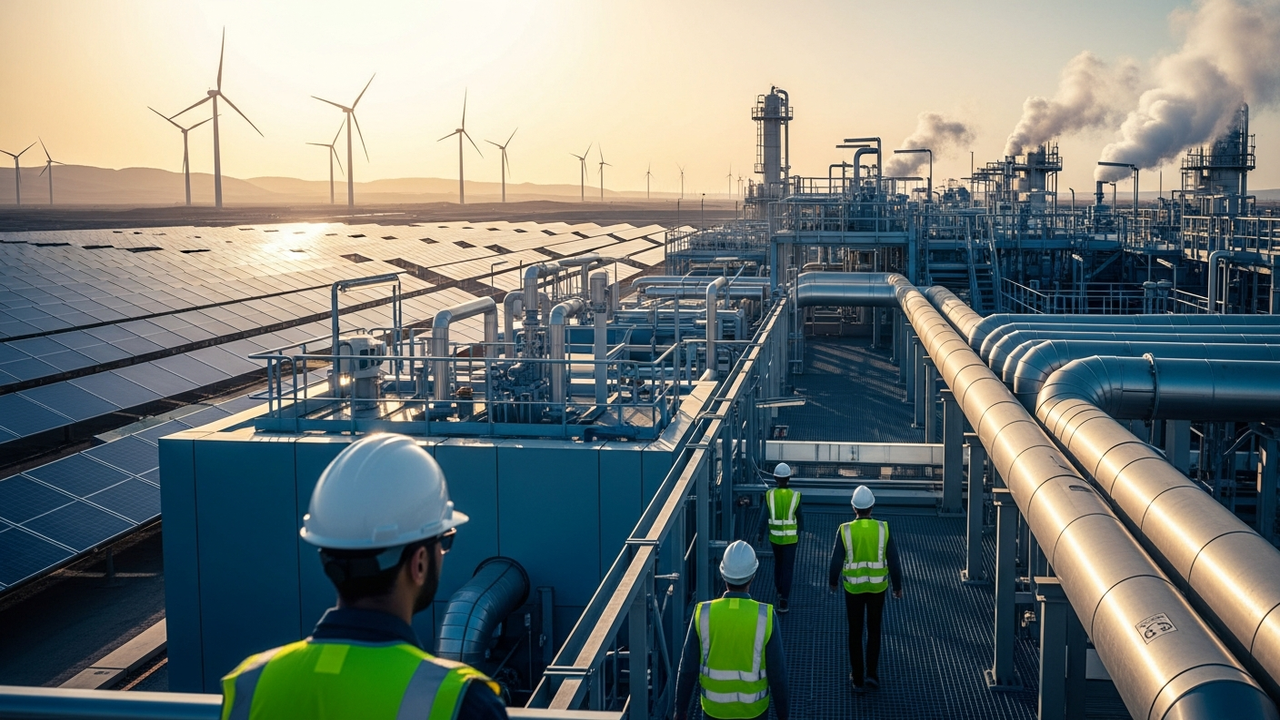
Oman, traditionally a hydrocarbon economy, is strategically pivoting towards economic diversification and sustainability, aligning with its ‘Vision 2040’ and the global energy transition. The Duqm Special Economic Zone is central to this transformation, offering abundant renewable energy resources, a strategic geographical location, and robust port infrastructure, making it an ideal hub for large-scale green hydrogen and ammonia production.
Investments from international players like India’s renewable energy leader ACME Group underscore this shift, bolstering Oman’s ambition to become a major clean energy exporter. This initiative also strengthens global hydrogen supply chains, complementing India’s own National Green Hydrogen Mission through crucial international collaborations.
Key Findings
The second phase of ACME Group’s $4.2 billion (approximately €3.9 billion) green hydrogen and ammonia project in Oman is scheduled to commence commercial operations in 2030, with Phase 3 following in 2033. Upon full commissioning, these massive phases are projected to collectively produce 400,000 metric tons of green ammonia and 71,000 metric tons of green hydrogen annually.
The project will harness Oman’s prolific solar and wind energy resources for large-scale water electrolysis to generate green hydrogen. A portion of this green hydrogen will serve directly as feedstock for fertilizers and chemical products or be purified for advanced fuel cell applications. The majority, however, will be converted into green ammonia, recognized as an optimal hydrogen carrier for international trade given its inherent ease of storage and transport in liquid form.
The annual production of 400,000 metric tons of green ammonia is set to significantly impact the supply of decarbonized fuels and feedstocks for hard-to-abate sectors, including maritime shipping, chemical manufacturing, and agriculture. This project aims to set a global benchmark for sustainable, large-scale green energy production.
This initiative is poised to ensure a stable supply of decarbonized fuels and feedstocks, substantially contributing to global decarbonization efforts, particularly through exports to major demand centers across Asia and Europe. For the global engineering and research community, it offers invaluable data and operational experience in large-scale renewable energy integration within arid environments, advanced water treatment, and optimized green ammonia synthesis. Furthermore, for investors, it presents attractive opportunities in a mega-scale green energy venture, backed by a clear national strategy and robust international partnerships, solidifying Oman’s emerging role in redefining the future of energy.





Comments