Key Findings
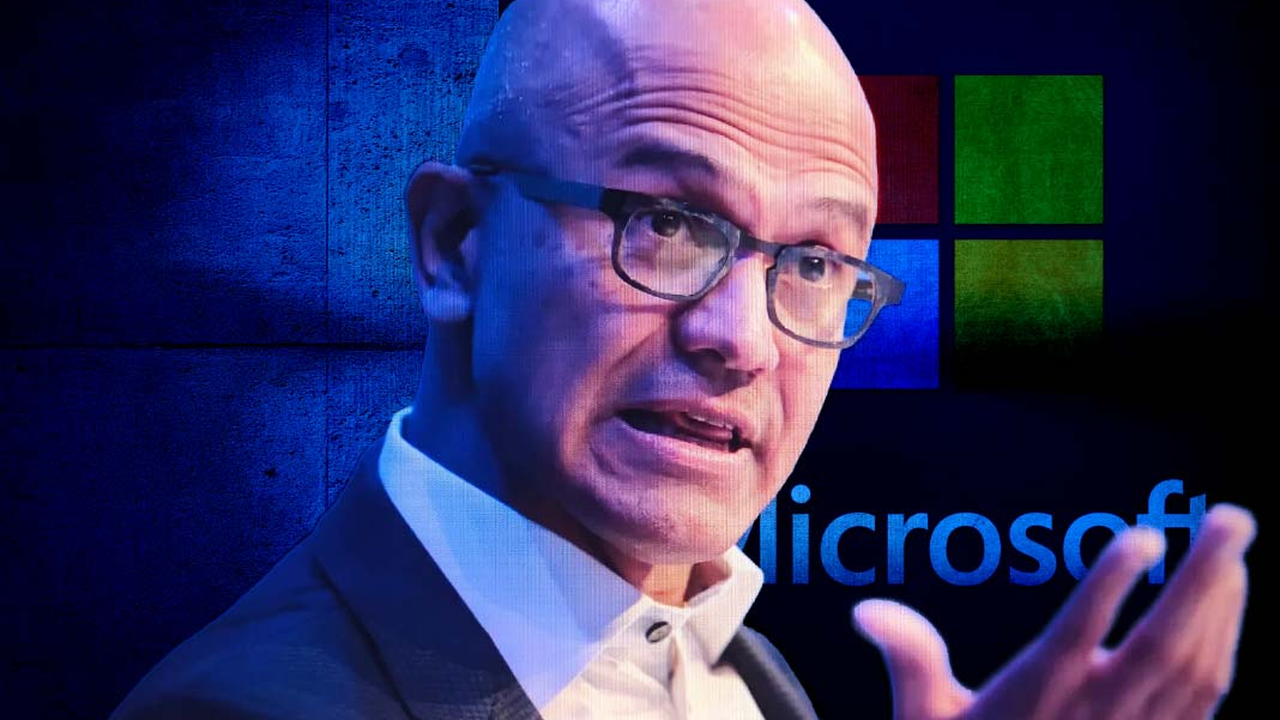
At its Build 2026 developer conference, Microsoft made a significant announcement, unveiling seven new proprietary AI models as part of its strategy to strengthen its in-house AI ecosystem. These models encompass a diverse range of AI functionalities, including advanced reasoning (‘MAI-Thinking-1’), high-speed coding assistance (‘MAI-Code-1-Flash’), sophisticated image generation (‘MAI-Image-2.5’), multilingual transcription (‘MAI-Transcribe-1.5’), and naturalistic speech synthesis (‘MAI-Voice-2’). Available through major platforms such as Azure Foundry, Hugging Face, and GitHub, these releases aim to reduce Microsoft’s dependence on external partners like OpenAI and Anthropic, solidifying its proprietary AI technology foundation.
Technical / Clinical Details
Each model in the newly introduced MAI series is optimized for specific AI workloads. ‘MAI-Thinking-1’ is designed for efficient processing of complex reasoning tasks, while ‘MAI-Code-1-Flash’ offers rapid code generation and completion, significantly boosting developer productivity. ‘MAI-Image-2.5’ facilitates the creation of higher-quality and more creative visual content. ‘MAI-Transcribe-1.5’ and ‘MAI-Voice-2’ are set to enhance user experiences in voice-based applications through improved accuracy and naturalness. These models are also compatible with Surface Ultra laptops, enabling local AI workload execution and pushing the frontier of edge AI. Furthermore, the collaboration with Mayo Clinic targets the development of specialized AI models for the medical sector, expanding possibilities for clinical applications like diagnostic support and treatment planning.
Background & Context
In the intensely competitive AI development landscape, Microsoft is striving to establish a competitive advantage by bolstering its in-house AI model development and operational capabilities. This strategy affords greater control over AI technology and increased flexibility for customization to meet specific customer needs. Reducing external dependencies mitigates supply chain risks and enhances intellectual property protection. The introduction of ‘Microsoft Scout,’ a personal AI agent, clearly articulates the company’s vision for deeper integration of AI as a pervasive tool for business and personal productivity.
Strategic Significance & Outlook
Microsoft’s strategic moves are poised to accelerate the democratization and widespread adoption of AI. The proprietary AI models, tightly integrated with Azure infrastructure, will empower enterprise customers to more easily incorporate AI into their operations and drive innovation. The foray into the medical field underscores the profound societal impact AI can deliver, promising advancements in diagnostic accuracy and the realization of personalized medicine. These announcements represent a crucial step for Microsoft in cementing its position as a leading platform provider in the AI era.
Source: https://aidatainsider.com/news/microsoft-launches-7-in-house-ai-models-at-microsoft-build-2026/