Key Findings
In a study utilizing continuous glucose monitoring (CGM) for patients with chronic migraine, it was discovered that participants experienced significant glycemic variability post-meals during waking hours. Furthermore, the magnitude of this glycemic variability showed a statistically significant positive correlation with headache intensity. This finding strongly suggests that improved glycemic control could offer a novel approach to migraine management strategies.
Technical/Clinical Details
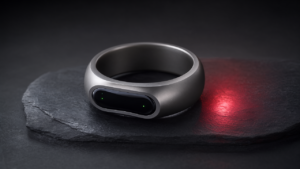
In this study, participants wore a wearable CGM device to continuously record their glucose fluctuation patterns over several days. Concurrently, participants kept detailed diaries logging headache frequency, intensity, and duration. Data analysis revealed a tendency for headache intensity to increase on days with greater ‘glycemic variability,’ characterized by sharp postprandial glucose spikes followed by rapid drops. This correlation suggests that not only the absolute glucose levels but also the dynamics of glucose fluctuations may play a role in migraine attack initiation or exacerbation. CGM, by continuously monitoring glucose levels without conscious effort from the patient, serves as an extremely effective tool for objectively understanding the impact of daily lifestyle habits on glycemic variability and analyzing its relationship with symptoms.
Background & Context
Migraine is one of the most common neurological disorders worldwide, significantly impairing patients’ quality of life. Its pathophysiology is complex, with various triggers reported, but a direct link with glycemic variability had not been thoroughly investigated until now. Even in non-diabetic individuals, glucose levels fluctuate due to diet and lifestyle, and it has been suggested that this could influence physiological mechanisms related to migraine, such as inflammatory responses and vasoconstriction. CGM technology is gaining value not only for diabetes management but also as a research tool for understanding the metabolic status of healthy individuals and those with other chronic conditions.
Strategic Significance & Outlook
The findings of this study suggest the possibility of new therapeutic approaches for migraine, such as dietary guidance and interventions aimed at glycemic control. For example, introducing a low-GI diet or adjusting meal timing to suppress sharp postprandial glucose increases might help reduce migraine frequency and intensity. Future research will need to delve deeper into the causal relationship between glycemic variability and migraine, and clinical trials will be required to evaluate the impact of personalized nutritional therapies and lifestyle interventions on migraine patients. CGM will likely expand its role as a powerful tool for objectively assessing the effectiveness of these interventions and monitoring patient responses.
Get our weekly technology intelligence — free
Receive an infographic that lets you judge at a glance whether each field’s analysis report is worth reading.
Subscribe Free — Weekly Tech Intelligence
By subscribing, you’ll receive Troy-Technical’s weekly technology intelligence newsletter.
- Your email and selected fields are used only to deliver the newsletter.
- We never share your information with third parties.
- You can unsubscribe anytime via the link in each email.
See our Privacy Policy for details.
Takes about a minute · Unsubscribe anytime