Key Findings
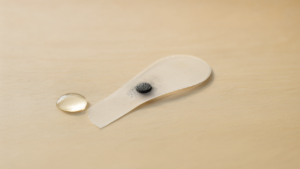
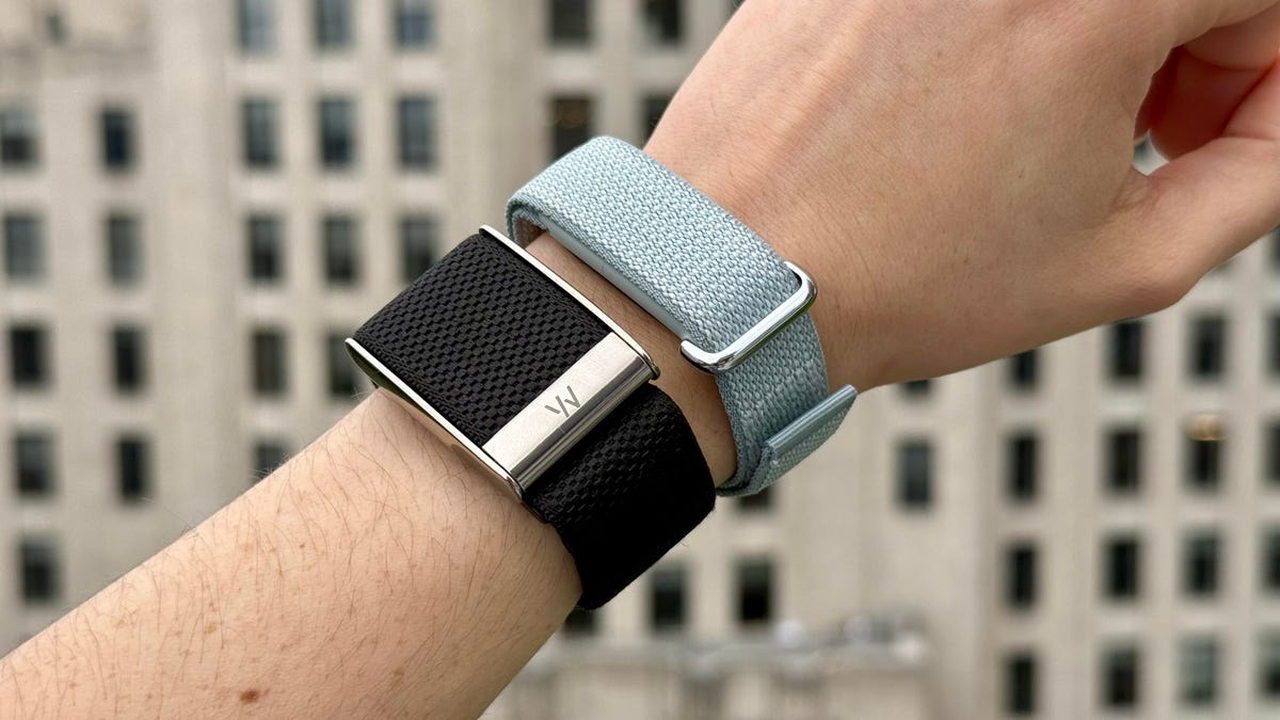
The ‘disappearing act’ trend is accelerating within the wearable technology industry. This refers to a design philosophy aiming for devices to seamlessly blend into users’ daily lives, minimizing their perceived presence. A prime example of this trend is Dexcom, a leading continuous glucose monitoring (CGM) company, which announced in May that it would reduce the size of its latest CGM device by 50%.
Technical/Clinical Details
The miniaturization and ‘disappearing act’ of wearable devices are made possible by several technological advancements, including the design of higher-density integrated circuits, smaller battery technologies, and the development of efficient wireless communication modules. Dexcom’s 50% reduction in CGM device size demonstrates this technological maturity, meaning patients can use the device more comfortably for longer durations without conscious awareness of its presence. CGMs are life-sustaining devices for diabetes patients, providing real-time continuous glucose monitoring. Their miniaturization holds significant clinical implications by increasing placement options, reducing skin irritation, and alleviating patients’ psychological burden. As devices become less conspicuous, patients can use CGMs more confidently in social settings.
Background & Context
Early wearable devices often prioritized functionality over aesthetics, resulting in bulky and noticeable designs. However, consumer needs have shifted from mere functionality to emphasizing design, comfort, and integration into lifestyle. Smartwatches, fitness trackers, and medical wearable devices are all compelled to adapt to this trend. For medical devices, particularly those involved in chronic disease management like CGMs, the ability for patients to wear them consistently and without resistance directly impacts treatment efficacy, making design highly critical. The ‘disappearing act’ is a natural progression as technology matures and designs become refined, intensifying competition to enhance user experience.
Strategic Significance & Outlook
The ‘disappearing act’ trend will continue to be a crucial factor shaping the future of wearable devices. In the future, even thinner, more flexible devices that can be completely embedded under the skin, or smart textiles directly woven into clothing, may be developed. This will allow users to experience continuous health monitoring and data collection with minimal awareness of the device’s presence. Especially in the medical field, this is expected to significantly contribute to improved patient compliance, maximization of treatment efficacy, and the widespread adoption of preventive medicine. With leading companies like Dexcom driving this trend, more personalized and seamless healthcare solutions are poised to become a reality.
Source: https://www.zdnet.com/article/health-trackers-are-disappearing-thats-the-point/
Get our weekly technology intelligence — free
Receive an infographic that lets you judge at a glance whether each field’s analysis report is worth reading.
Subscribe Free — Weekly Tech Intelligence
By subscribing, you’ll receive Troy-Technical’s weekly technology intelligence newsletter.
- Your email and selected fields are used only to deliver the newsletter.
- We never share your information with third parties.
- You can unsubscribe anytime via the link in each email.
See our Privacy Policy for details.
Takes about a minute · Unsubscribe anytime