Background
Advanced materials form the foundation of nearly all modern technological innovations. The EU recognizes the imperative to strengthen its leadership in materials science to enhance autonomy in strategic industrial sectors such as clean energy, digitalization, aerospace, defense, and healthcare. The use of recycled CF not only contributes to achieving sustainability targets but also boosts the resilience of material supply chains. Investments in advanced lithium-ion battery technology are vital for the widespread adoption of electric vehicles (EVs), the development of renewable energy storage systems, and grid stabilization, forming a cornerstone of the EU’s ‘Green Deal’ policy. This grant program provides a crucial incentive for research institutions and companies to pursue innovation in these high-risk, high-reward areas, strengthening the foundation for Europe to establish a competitive edge in global technological competition.
Key Findings
The European Union (EU) has announced a new grant program specifically targeting small and medium-sized enterprises (SMEs), startups, research groups, and universities within the advanced materials sector to accelerate innovation. This program is sharply focused on two critical areas: first, developing new sustainable industrial applications and advanced products that utilize recycled carbon fiber (CF) produced through innovative pyrolysis processes; and second, supporting the scaling-up of next-generation lithium-ion battery technologies, particularly semi-solid and all-solid-state batteries. This funding is strategically positioned as a core component of the EU’s drive to lead the transition towards sustainable industries and clean energy solutions.
Technical Details
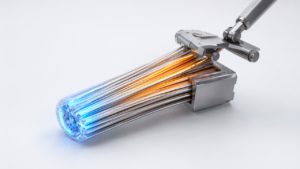
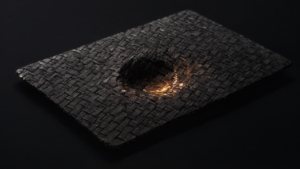
The utilization of recycled carbon fiber (CF) is crucial for promoting a circular economy, transforming waste into high-value materials. Pyrolysis offers an efficient method for recovering carbon fibers from end-of-life composite materials, thereby reducing the high costs and environmental footprint associated with virgin carbon fiber production. This grant will support the development of novel products using recycled CF, such as lightweight structural components, high-performance filters, or advanced energy storage systems. Simultaneously, next-generation lithium-ion battery technologies, especially semi-solid and all-solid-state batteries, offer significant advantages over current liquid-electrolyte lithium-ion batteries in terms of safety, energy density, and charge/discharge rates. Semi-solid batteries use gel or polymer electrolytes, while all-solid-state batteries employ entirely solid electrolytes, eliminating the risk of leakage and substantially reducing fire hazards. The EU’s grant aims to overcome barriers to transitioning these technologies from laboratory scale to commercial production, facilitating investment in material development, process optimization, and manufacturing equipment necessary for mass production.
Strategic Significance & Outlook
This EU grant program is expected to significantly accelerate research, development, and commercialization in the advanced materials sector. Advances in recycled CF technology will contribute to improving resource efficiency and reducing carbon emissions in manufacturing, enabling more sustainable product designs. Should next-generation lithium-ion battery technologies, particularly all-solid-state batteries, achieve commercial success, they could bring about revolutionary changes such as extended EV driving ranges, faster charging times, and enhanced battery safety. This is critically important for strengthening the European automotive industry and accelerating the build-out of clean energy infrastructure. The technologies and innovations fostered through this program will also lead to the creation of high-value jobs within the EU, potentially positioning Europe as a global hub for advanced materials and clean energy technologies. In the long term, this represents a strategic investment that contributes to both the EU’s economic prosperity and its ambitious environmental goals.
Source: https://eufundingportal.eu/advanced-materials/
Get our weekly technology intelligence — free
Receive an infographic that lets you judge at a glance whether each field’s analysis report is worth reading.
Subscribe Free — Weekly Tech Intelligence
By subscribing, you’ll receive Troy-Technical’s weekly technology intelligence newsletter.
- Your email and selected fields are used only to deliver the newsletter.
- We never share your information with third parties.
- You can unsubscribe anytime via the link in each email.
See our Privacy Policy for details.
Takes about a minute · Unsubscribe anytime