Key Findings
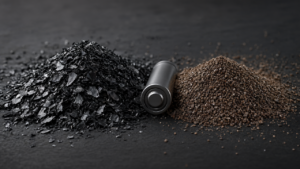
Inlyte Energy has developed innovative iron-sodium modules that utilize iron powder and common table salt as active materials, proposing a low-cost, long-duration solution for grid-scale energy storage. This battery technology achieves an extended operational lifetime through the incorporation of a ceramic membrane, which effectively prevents corrosion and maintains cell integrity without the need for flammable organic liquids. Amidst a surging demand for energy storage and tightening supplies of lithium-ion batteries, this cost-effective and inherently safer alternative is rapidly accelerating towards commercialization.
Technical Details
Inlyte Energy’s iron-sodium battery offers numerous advantages for grid storage applications, stemming from its unique chemical composition and structural design:
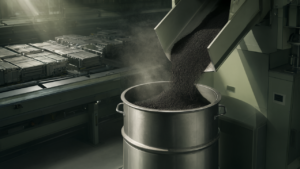
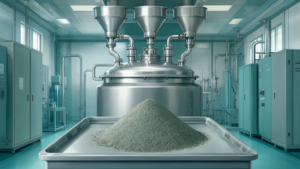
- Active Materials: Employs abundant and inexpensive iron powder and sodium chloride (table salt) as active materials. This significantly reduces raw material costs and mitigates supply chain risks.
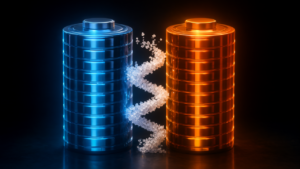
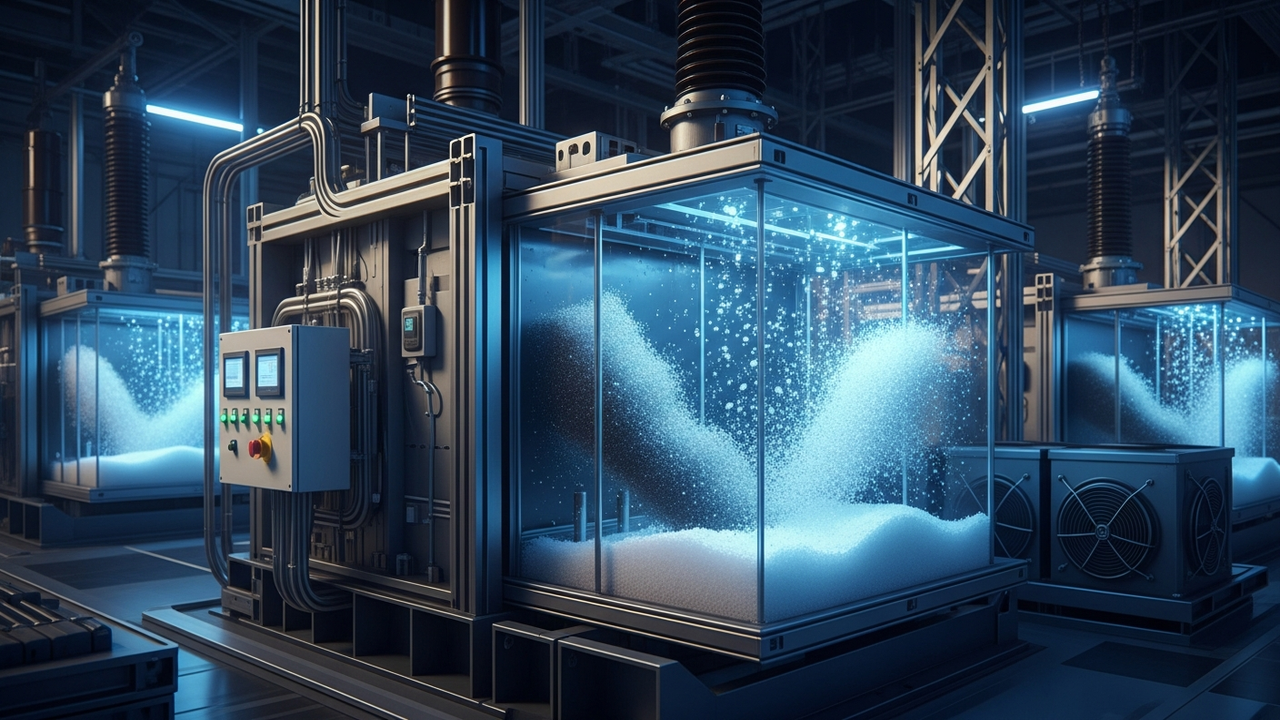
- Ceramic Membrane: The integration of a durable ceramic membrane within the cell effectively prevents corrosion between electrodes. This feature dramatically enhances the battery’s cycle life and overall durability, crucial for long-term grid applications.
- Non-Flammable Electrolyte: By avoiding flammable organic liquid electrolytes and adopting a safer electrolyte system, the risk of thermal runaway and fire is substantially reduced. This makes the technology highly suitable for meeting stringent safety requirements in large-scale BESS installations.
- Extended Lifetime: Thanks to corrosion prevention and stable electrochemical reactions, the battery is expected to achieve an exceptionally long cycle life, making it ideal for the demanding operational cycles required in grid-scale applications.
This technology is expected to play a vital role in enabling stable power supply and managing the variability of renewable energy sources.
Background & Industry Context
The global energy storage market is experiencing unprecedented growth, driven by the proliferation of renewable energy, modernization of power grids, and the emergence of new power demands from sectors like data centers. However, conventional lithium-ion batteries face challenges related to the limited supply and price volatility of critical raw materials such as lithium and cobalt, as well as their environmental footprint. Against this backdrop, there is increasing anticipation for “lithium-free” technologies, including sodium-ion batteries. Companies like Inlyte Energy are striving to fill this market gap by offering sustainable solutions that leverage abundant and inexpensive resources.
Strategic Significance & Outlook
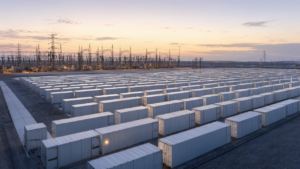
Inlyte Energy’s iron-sodium modules have the potential to play a crucial role in future energy infrastructure development as a low-cost, safe, and long-life grid storage solution. Its competitiveness is particularly high for large-scale projects where raw material costs are a primary determining factor. Commercial success of this technology could introduce a new viable option to the global energy storage market, accelerating the further integration of renewable energy and contributing to the development of more resilient and decentralized power grids. Ultimately, it is anticipated to become an indispensable technology for expanding the speed and scale of the global energy transition.
Get our weekly technology intelligence — free
Receive an infographic that lets you judge at a glance whether each field’s analysis report is worth reading.
Subscribe Free — Weekly Tech Intelligence
By subscribing, you’ll receive Troy-Technical’s weekly technology intelligence newsletter.
- Your email and selected fields are used only to deliver the newsletter.
- We never share your information with third parties.
- You can unsubscribe anytime via the link in each email.
See our Privacy Policy for details.
Takes about a minute · Unsubscribe anytime