Background
Pakistan faces persistent power shortages and is vigorously pursuing a transition towards renewable energy, with a strong focus on solar power. However, the successful integration of intermittent renewable energy sources demands robust energy storage systems to mitigate their inherent variability. Sodium-ion batteries, leveraging abundant and inexpensive raw materials compared to lithium-ion counterparts, offer a compelling alternative for grid-scale storage. Moonwatt’s latest project is strategically positioned to play a pivotal role in bolstering Pakistan’s energy transition and accelerating its pursuit of energy independence.
Key Findings
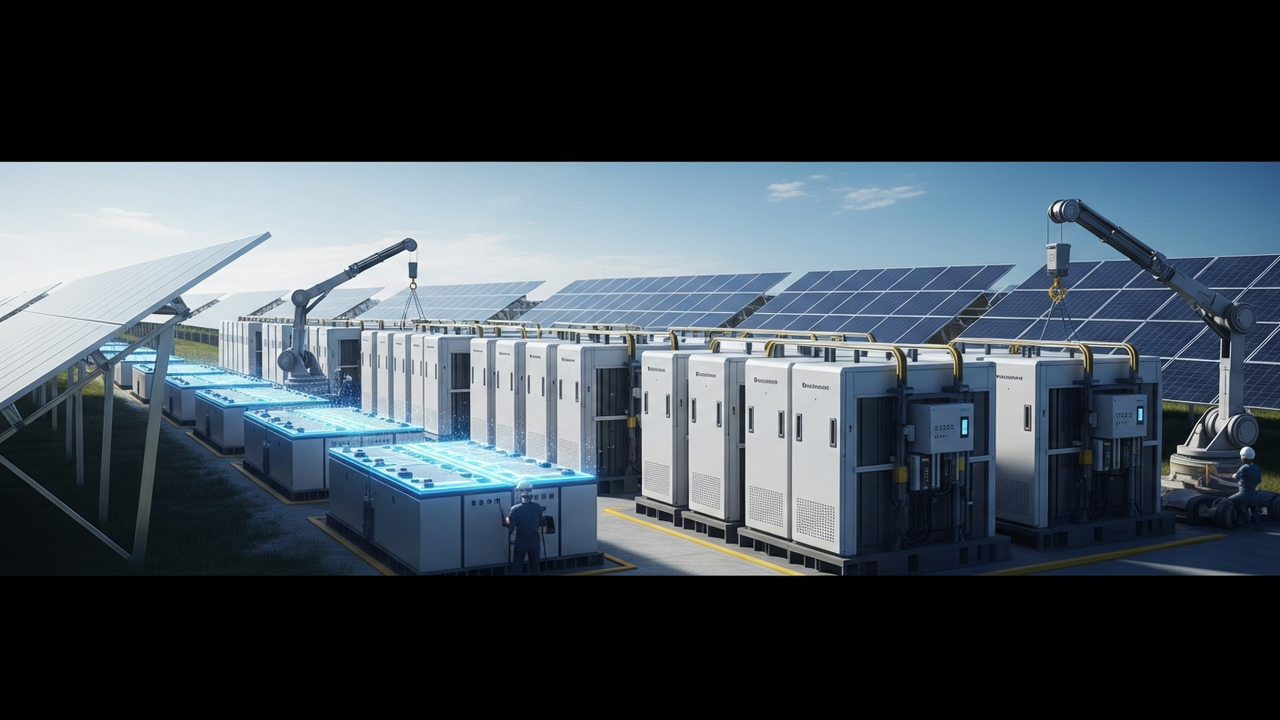
Moonwatt is actively deploying an innovative class of sodium-ion Battery Energy Storage Systems (BESS) meticulously engineered for hybrid solar plants across Pakistan. This new BESS architecture incorporates modular ‘string batteries’ leveraging passively-cooled, hermetically-sealed sodium-ion cells. This design philosophy aims to deliver highly cost-effective, grid-level solar energy storage solutions, marking a significant technological advancement for Moonwatt in addressing the escalating demand for renewable energy within Pakistan’s power sector.
The Moonwatt sodium-ion BESS boasts a modular design, ensuring flexible scalability and streamlined maintenance. Central to the system’s innovation are its passively-cooled, hermetically-sealed sodium-ion cells. Passive cooling obviates the need for complex active thermal management systems, thereby reducing operational expenditures, eliminating energy consumption for cooling, and bolstering overall system reliability. The hermetically-sealed cells further elevate safety and durability, offering robust protection against environmental ingress and contributing to an extended operational lifespan. This modularity also enhances system redundancy, as individual string battery modules function independently. Furthermore, industrial-scale production is anticipated to significantly improve cost competitiveness, positioning this technology as a viable and attractive alternative for grid storage.
This BESS is specifically engineered to stabilize the power grid by effectively absorbing fluctuations inherent in solar power generation, thus ensuring a more consistent and reliable electricity supply.
The deployment of Moonwatt’s sodium-ion BESS is set to significantly strengthen Pakistan’s burgeoning renewable energy infrastructure. Scaling this technology to an industrial level is projected to yield further cost reductions and performance enhancements, thereby amplifying the market competitiveness of Moonwatt’s grid-level storage solutions. The successful implementation of this project holds the potential to accelerate the global adoption of sodium-ion battery technology in solar hybrid plants, highlighting the expanding influence of sodium-ion batteries in the broader energy transition. Its capacity to ensure a stable energy supply in challenging tropical and subtropical regions is particularly noteworthy.
Source: https://iwap.com.pl/pakistan’s-energy-transition-via-solar-power-and-batteries/
Get our weekly technology intelligence — free
Receive an infographic that lets you judge at a glance whether each field’s analysis report is worth reading.
Subscribe Free — Weekly Tech Intelligence
By subscribing, you’ll receive Troy-Technical’s weekly technology intelligence newsletter.
- Your email and selected fields are used only to deliver the newsletter.
- We never share your information with third parties.
- You can unsubscribe anytime via the link in each email.
See our Privacy Policy for details.
Takes about a minute · Unsubscribe anytime