Background
Central nervous system (CNS) disorders, including Alzheimer’s disease, Parkinson’s disease, multiple sclerosis, and brain tumors, represent a growing global health challenge with a significant unmet medical need. The primary impediment to effective treatment for these conditions is the blood-brain barrier (BBB), a sophisticated physiological defense mechanism that prevents most therapeutic agents from reaching the brain in sufficient concentrations. Historically, this barrier has rendered drug discovery for CNS diseases exceptionally difficult, with many promising compounds failing to cross the BBB or achieve therapeutic levels. Overcoming this hurdle promises to transform the multi-trillion yen market for neurological therapeutics.
Key Findings
A conference held on June 22, 2026, highlighted groundbreaking advancements in novel drug delivery strategies designed to penetrate the blood-brain barrier. These innovative approaches aim to dramatically improve drug access to the CNS, paving the way for effective therapies against previously intractable neurological diseases. The strategies discussed included:
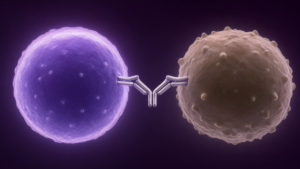
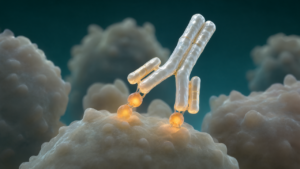
Receptor-Mediated Transport (RMT): This technique leverages specific receptors on the surface of brain endothelial cells, such as the transferrin receptor, to actively transport drugs into the brain. By conjugating therapeutic agents with ligands that bind to these receptors, RMT facilitates the targeted uptake and delivery of drugs.
Liposomes: These lipid bilayer nanoparticles encapsulate therapeutic drugs, enabling their passage across the BBB. Surface modifications, such as polyethylene glycol (PEG)ylation, can further enhance BBB permeability and improve targeting specificity to desired brain regions.
Exosomes: As naturally occurring, cell-derived nanoparticles, exosomes possess an inherent ability to cross the BBB. Loading drugs into exosomes offers a highly biocompatible and potentially efficient method for brain delivery, capitalizing on their native transport mechanisms.
Focused Ultrasound (FUS): This non-invasive technology temporarily and reversibly increases BBB permeability in precisely targeted brain regions. By applying focused ultrasound energy, clinicians can create transient openings in the barrier, allowing drugs to enter the desired area while minimizing systemic exposure and potential side effects.
These advanced strategies share common goals: optimizing drug concentrations within the brain, establishing high safety profiles, achieving precise targeting capabilities, and minimizing systemic exposure. Specifically, RMT and nanoparticle-based approaches are being refined to enhance target specificity, thereby reducing off-target effects and improving therapeutic efficacy.
Significance & Outlook
The continuous evolution of BBB-penetrating drug delivery technologies stands at the forefront of neuroscience and drug discovery research. As these technologies progress through clinical development and eventually gain regulatory approval, they are poised to fundamentally redefine the treatment landscape for CNS disorders. These DDS advancements are anticipated to play an indispensable role in early disease intervention and the development of disease-modifying therapies. Future research will concentrate on further optimizing these technologies, rigorously validating their safety and efficacy in clinical trials, and ensuring their scalability for large-scale production. This sector represents a significant area of long-term growth and market expansion, meriting keen interest from researchers, engineers, and investors alike.
Get our weekly technology intelligence — free
Receive an infographic that lets you judge at a glance whether each field’s analysis report is worth reading.
Subscribe Free — Weekly Tech Intelligence
By subscribing, you’ll receive Troy-Technical’s weekly technology intelligence newsletter.
- Your email and selected fields are used only to deliver the newsletter.
- We never share your information with third parties.
- You can unsubscribe anytime via the link in each email.
See our Privacy Policy for details.
Takes about a minute · Unsubscribe anytime