Key Findings
The convergence of automation, artificial intelligence (AI), and advanced organoid technologies is fundamentally transforming early drug discovery by dramatically enhancing the scalability, reproducibility, and quality control of 3D cell models. This integrated approach promises to accelerate therapeutic development and enable more reliable data generation for the selection of drug candidates.
Technical / Clinical Details
This innovative approach is characterized by the following key elements:
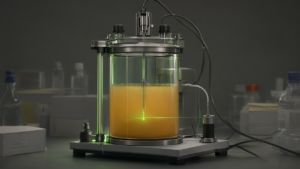
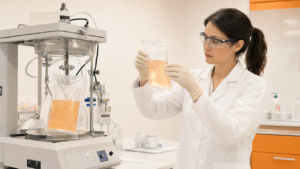
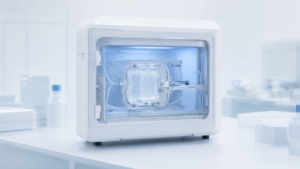
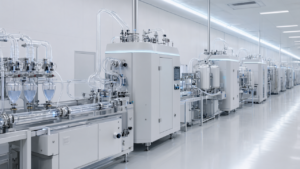
- Automated Organoid Culture Workflows: Organoid culture, traditionally labor-intensive, involves numerous manual steps such as media changes, passaging, and quality control. Automated systems perform these tasks consistently, reducing human error and significantly increasing throughput. This ensures a stable and scalable supply of organoids necessary for large-scale drug screening.
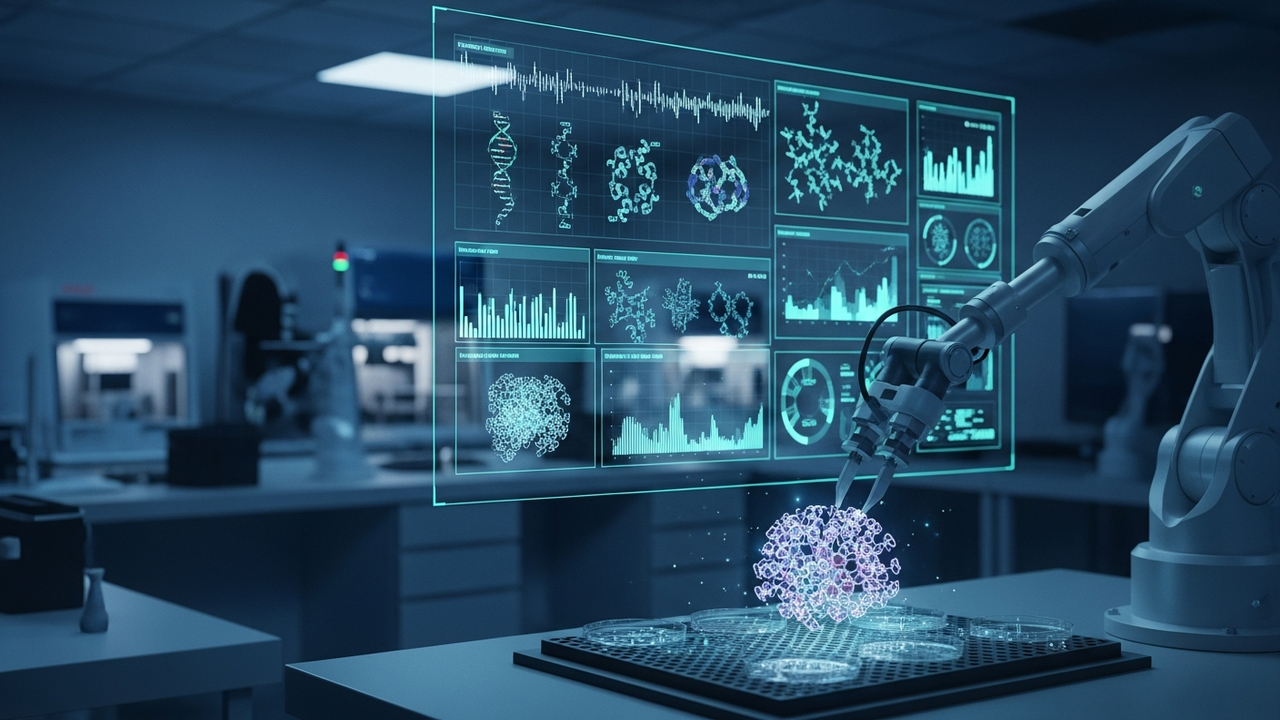
- AI-Driven Analysis and Image Processing: AI-powered image processing and data analysis are being deployed to evaluate organoid growth, morphology, function, and drug responses. Platforms like the CellXpress.ai Automated Cell Culture System automatically extract objective and quantitative parameters such as cell health, proliferation, differentiation, and cell death from vast amounts of image data.
- Physiological Relevance of 3D Cell Models: Organoids, possessing 3D structures that mimic the microenvironment, cellular composition, and functions of in vivo tissues, offer superior predictability of drug responses compared to conventional 2D cell cultures or even animal models. This reduces the need for animal testing and enhances the accuracy of human efficacy and toxicity predictions.
- Enhanced High-Throughput Screening (HTS): The combination of automation and AI enables high-throughput screening of drug candidates using large numbers of organoid models. This allows for rapid identification of promising candidates and early detection of potential toxicity or off-target effects in the early stages of development, thereby avoiding the wastage of resources in later, high-failure stages.
Background & Context
The drug discovery process is notoriously long, expensive, and characterized by high failure rates in clinical trials. A key contributing factor is the low predictability of preclinical models. The advent of organoid technology has been hailed as a promising solution to this challenge, with research institutions and pharmaceutical companies actively adopting it. Automation and AI are now critical for elevating organoid research from academic curiosity to an industrial-scale drug discovery tool.
Strategic Significance & Outlook
Automated and AI-integrated organoid workflows represent a crucial technological trend shaping the future of drug discovery. This not only shortens drug development timelines and reduces costs but also significantly increases the likelihood of delivering more effective and safer drugs to patients. In the future, these technologies are expected to accelerate the progress of personalized medicine, forming a foundation for selecting therapeutic approaches based on patient-specific disease models.
Get our weekly technology intelligence — free
Receive an infographic that lets you judge at a glance whether each field’s analysis report is worth reading.
Subscribe Free — Weekly Tech Intelligence
By subscribing, you’ll receive Troy-Technical’s weekly technology intelligence newsletter.
- Your email and selected fields are used only to deliver the newsletter.
- We never share your information with third parties.
- You can unsubscribe anytime via the link in each email.
See our Privacy Policy for details.
Takes about a minute · Unsubscribe anytime