Key Findings
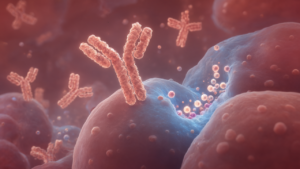
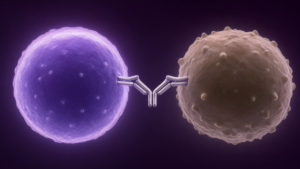
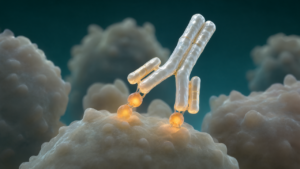
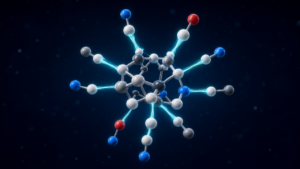
For promising therapeutics such as RNA-based antisense oligonucleotides (ASOs), whose entry into the brain has been hindered by the blood-brain barrier (BBB), antibody-based Brainshuttle™ technology has demonstrated significant progress in brain drug delivery. This innovative technology harnesses bispecific antibodies designed to simultaneously target two distinct receptors on the BBB, transferrin receptor 1 (TfR1) and CD98hc, thereby holding the potential to efficiently facilitate drug transport into the CNS.
Technical/Clinical Details
The core of Brainshuttle™ technology lies in the design of bispecific antibodies that function as ‘shuttles’ to traverse the BBB. These antibodies are engineered to bind to both TfR1 and CD98hc, two key receptors present on BBB endothelial cells. TfR1 is involved in iron transport, and CD98hc is an amino acid transporter, both of which are believed to undergo endocytosis and potentially facilitate transcytosis across the BBB. Researchers meticulously analyzed how the conjugation of ASO cargo to these bispecific antibodies impacts their binding affinity to BBB cells, intracellular uptake efficiency, and movement across the BBB into the brain parenchyma. The findings revealed that the characteristics and conjugation site of the ASO cargo indeed influence the BBB permeability of the bispecific antibody. This insight is crucial for developing more efficient and safe BBB-penetrating drug delivery systems (DDS), as it provides optimal design guidelines for the interplay between the cargo and the shuttle antibody. The dual-targeting approach is suggested to be more effective in enhancing BBB permeability compared to single-receptor targeting shuttles.
Background & Context
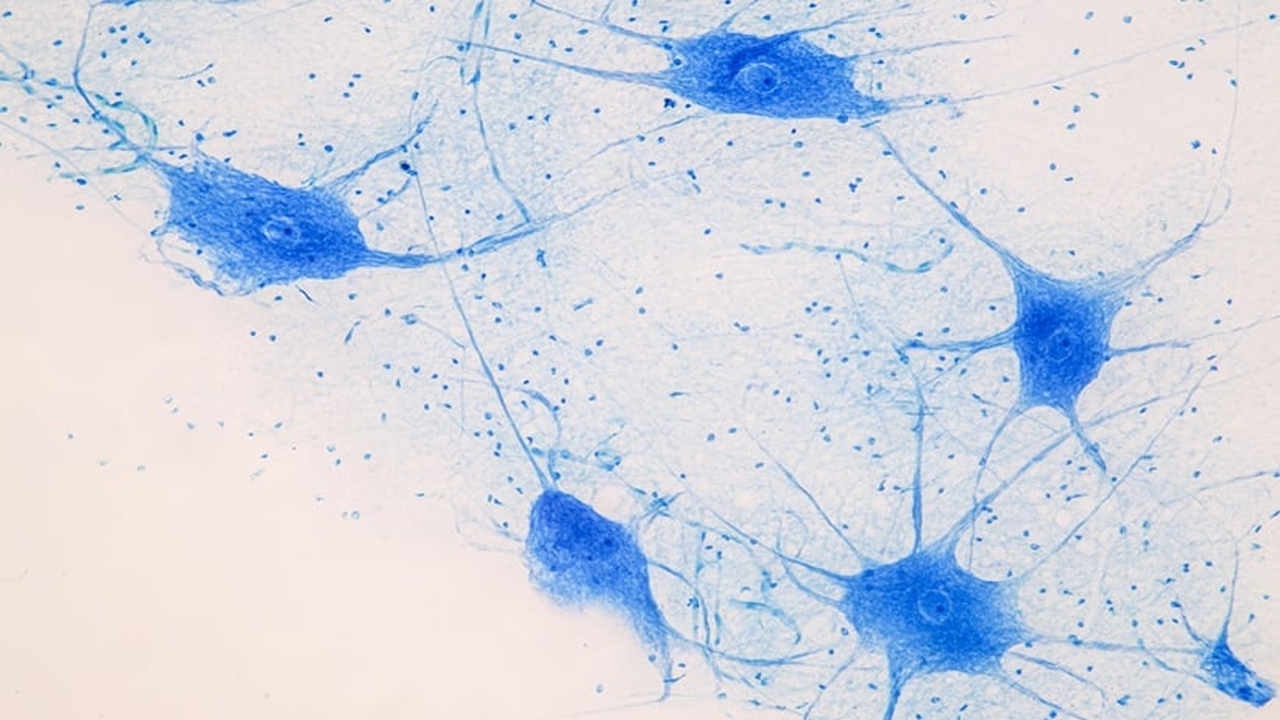
Central nervous system (CNS) disorders, such as Alzheimer’s disease, Parkinson’s disease, Huntington’s disease, and amyotrophic lateral sclerosis (ALS), suffer from limited effective treatments. This is largely because the BBB severely restricts the entry of many drugs, especially macromolecular RNA-based therapeutics, into the brain. ASOs are promising therapeutic modalities capable of addressing the root causes of genetic diseases by suppressing specific gene expression, but their brain delivery has been a major challenge. Antibody-based BBB shuttle technologies have recently gained attention as a non-invasive approach to deliver drugs by utilizing the BBB’s natural transport pathways, without physically opening the barrier. While TfR1 is one of the most widely studied BBB shuttle receptors, limitations of single-targeting shuttles have also been noted.
Strategic Significance & Outlook
The dual-targeting approach of TfR1 and CD98hc in Brainshuttle™ technology significantly expands the potential for RNA-based ASO therapeutics for CNS disorders. Further optimization of this technology is expected to enable efficient brain delivery of a wider range of ASOs and other macromolecular drugs. This could provide new and effective treatment options for various neurodegenerative and neurodevelopmental diseases that have been difficult to treat. In the future, this shuttle technology may be further refined to enable targeted drug delivery to specific brain regions, contributing to the realization of personalized CNS therapies. The progression of Brainshuttle™ technology towards clinical application promises to be a groundbreaking development in resolving the long-standing challenge of CNS drug delivery, improving the quality of life for many patients.
Get our weekly technology intelligence — free
Receive an infographic that lets you judge at a glance whether each field’s analysis report is worth reading.
Subscribe Free — Weekly Tech Intelligence
By subscribing, you’ll receive Troy-Technical’s weekly technology intelligence newsletter.
- Your email and selected fields are used only to deliver the newsletter.
- We never share your information with third parties.
- You can unsubscribe anytime via the link in each email.
See our Privacy Policy for details.
Takes about a minute · Unsubscribe anytime