
Key Findings
As highlighted in an editorial published in MDPI, nanoparticle-based biosensor technology is fundamentally redefining its capabilities and application scope across both biomedical diagnostics and environmental monitoring. Diagnostic platforms ingeniously incorporating nanoparticles have successfully achieved groundbreaking improvements in the sensitivity and specificity of pathogenic nucleic acid detection. This advancement is further accelerated by the integration of biosensors with cutting-edge technologies such as microfluidic systems, cloud-based data analytics, and Artificial Intelligence (AI), thereby dramatically expanding their role in real-time disease surveillance and global public health monitoring.
Technical / Clinical Details
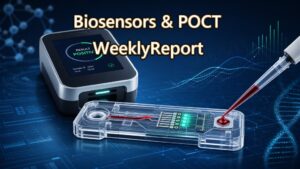
Nanoparticles (e.g., gold nanoparticles, quantum dots, magnetic nanoparticles), owing to their unique physical and chemical properties (high surface-to-volume ratio, excellent optical and electrical characteristics, biocompatibility), dramatically enhance biosensor performance. In diagnostic platforms, these nanoparticles play a crucial role in amplifying detection signals and strengthening the binding to target pathogenic nucleic acids (DNA and RNA). For instance, sensors utilizing fluorescent quantum dots have achieved ultra-high sensitivity, capable of detecting even single pathogenic particles, yielding results comparable to or surpassing traditional molecular diagnostic methods like PCR. Integration with microfluidic systems (lab-on-a-chip) automates sample pre-processing, reaction, and detection within a single, miniature device, shortening analysis times and minimizing required sample volumes. Furthermore, cloud-based data analytics aggregates and processes sensor data collected globally, while AI algorithms perform pattern recognition and anomaly detection, enabling early identification of disease outbreaks and automatic alerts to public health authorities.
Background & Context
Modern society faces complex challenges including the threat of emerging infectious diseases, environmental pollution, and the rising prevalence of chronic conditions. Addressing these issues necessitates rapid and accurate diagnostics, continuous monitoring, and interventions based on large-scale data analysis. Nanoparticle-based biosensors offer powerful solutions to these needs. Traditional diagnostic methods are often time-consuming, costly, and require specialized equipment and personnel, making them difficult to access in resource-limited regions. This new technology enables portable and user-friendly devices, promoting the democratization of diagnostics. From a public health perspective, real-time epidemiological data collection and analysis assist in disease spread modeling and the formulation of effective intervention strategies, strengthening preparedness for future pandemics.
Strategic Significance & Outlook
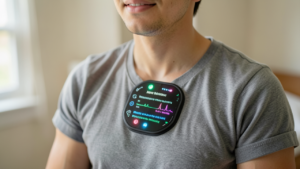
Nanoparticle-based biosensors are expected to become even more multifunctional and intelligent in the coming years. Future developments anticipate the emergence of multiplexed sensors capable of simultaneously detecting multiple biomarkers, wearable devices that non-invasively acquire data from bodily fluids (e.g., sweat, tears, saliva), and self-diagnostic systems integrated with AI. In environmental monitoring, sensors capable of real-time detection of trace pollutants in soil and water will be developed, contributing to environmental protection and resource management. In the biomedical field, these advancements will accelerate personalized medicine, enabling precise diagnosis and treatment tailored to individual genetic backgrounds and lifestyles. This technological revolution is poised to expand the frontiers of medicine and environmental science, laying an indispensable foundation for a healthier and more sustainable society.
Get our weekly technology intelligence — free
Receive an infographic that lets you judge at a glance whether each field’s analysis report is worth reading.
Subscribe Free — Weekly Tech Intelligence
By subscribing, you’ll receive Troy-Technical’s weekly technology intelligence newsletter.
- Your email and selected fields are used only to deliver the newsletter.
- We never share your information with third parties.
- You can unsubscribe anytime via the link in each email.
See our Privacy Policy for details.
Takes about a minute · Unsubscribe anytime







Comments