Key Findings
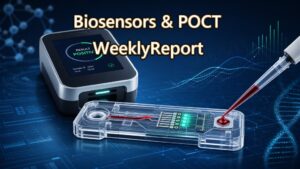
NTHRYS Biotech Labs is advancing the development of Artificial Intelligence (AI)-powered microbial biosensors, revolutionizing real-time monitoring across diverse industrial and clinical sectors, including food, environmental, and pharmaceutical industries. These solutions aim to reduce batch failures, optimize processes, and enable rapid diagnosis of infectious diseases (under 30 minutes).
Technical/Clinical Details
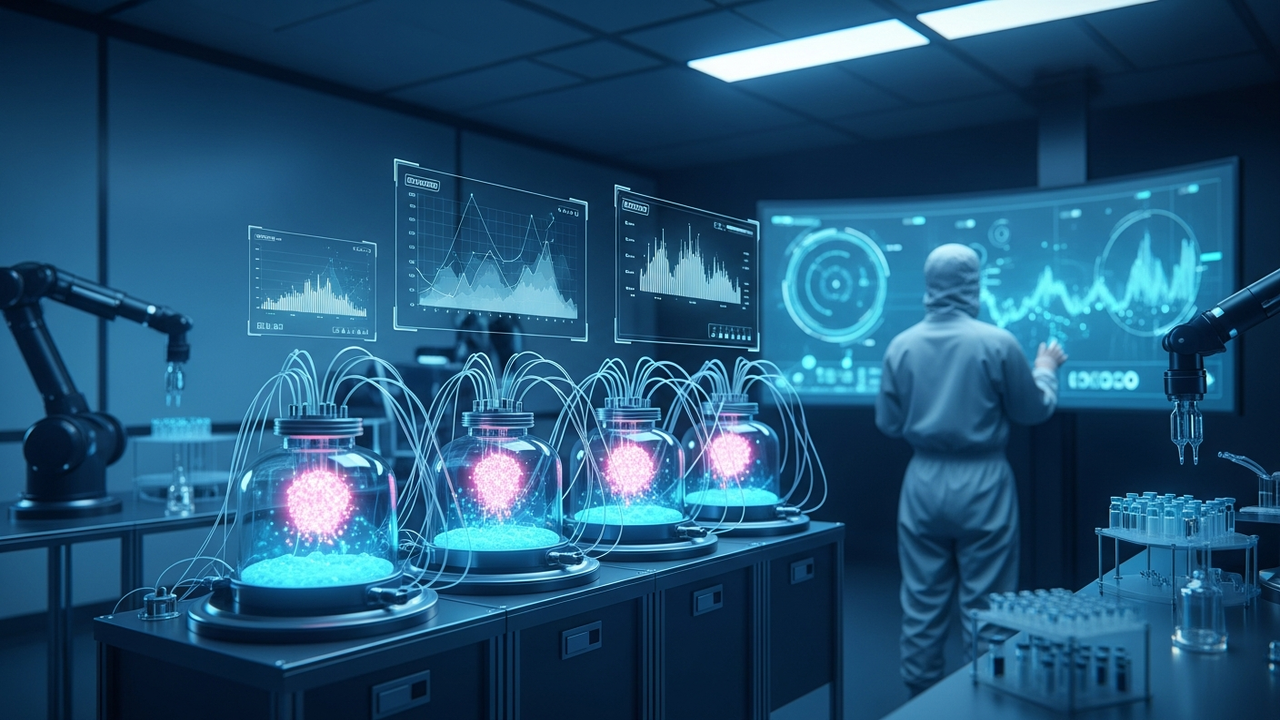
The microbial biosensors developed by NTHRYS Biotech Labs integrate several advanced technologies. Specifically, their cloud-based Software as a Service (SaaS) platform for real-time detection of foodborne pathogens and environmental contaminants aggregates data from distributed sensor networks and uses AI algorithms to instantly identify anomalies. The Internet of Things (IoT) system for automated water quality monitoring continuously collects sensor data and provides early warnings of potential contamination risks. Enterprise software for sterility assurance in pharmaceutical manufacturing monitors microbial contamination on production lines in real-time, aiming to reduce batch failure risks by 30-40%. These systems leverage AI for data analysis, disease pattern identification, and outcome prediction, achieving dramatic improvements in operational efficiency and quality control through seamless integration with existing systems.
Background & Context
Food safety, environmental protection, and quality control in pharmaceutical manufacturing are critical issues directly impacting public health and the economy. Traditional microbial detection methods have been time-consuming, labor-intensive, and challenging for real-time responses. The integration of AI and biosensors offers a groundbreaking solution to overcome these challenges, enabling faster and more accurate decision-making. Particularly, rapid infectious disease diagnosis is indispensable for pandemic preparedness and responding to public health crises.
Strategic Significance & Outlook
NTHRYS Biotech Labs’ microbial biosensor technology is poised to accelerate industrial digital transformation and contribute to creating a safer, more sustainable society. In the future, these systems are expected to evolve further, with advancements in predictive maintenance, autonomous process control, and expanded detection capabilities for new types of pathogens and contaminants. They are anticipated to play a central role in strengthening global food security, improving the accuracy of environmental monitoring, and ensuring manufacturing efficiency and product quality in the pharmaceutical industry.
Get our weekly technology intelligence — free
Receive an infographic that lets you judge at a glance whether each field’s analysis report is worth reading.
Subscribe Free — Weekly Tech Intelligence
By subscribing, you’ll receive Troy-Technical’s weekly technology intelligence newsletter.
- Your email and selected fields are used only to deliver the newsletter.
- We never share your information with third parties.
- You can unsubscribe anytime via the link in each email.
See our Privacy Policy for details.
Takes about a minute · Unsubscribe anytime