Key Findings
Precision fermentation presents a transformative pathway for a sustainable food industry by enabling the precise production of specific molecules within controlled bioreactor systems. While this advanced method holds immense potential to produce essential proteins like milk and egg proteins without animal agriculture, thereby significantly reducing land and water consumption, it faces critical challenges in high production costs, limited industrial scale, and complex purification processes that demand urgent scale-up and optimization efforts.
Technical / Clinical Details
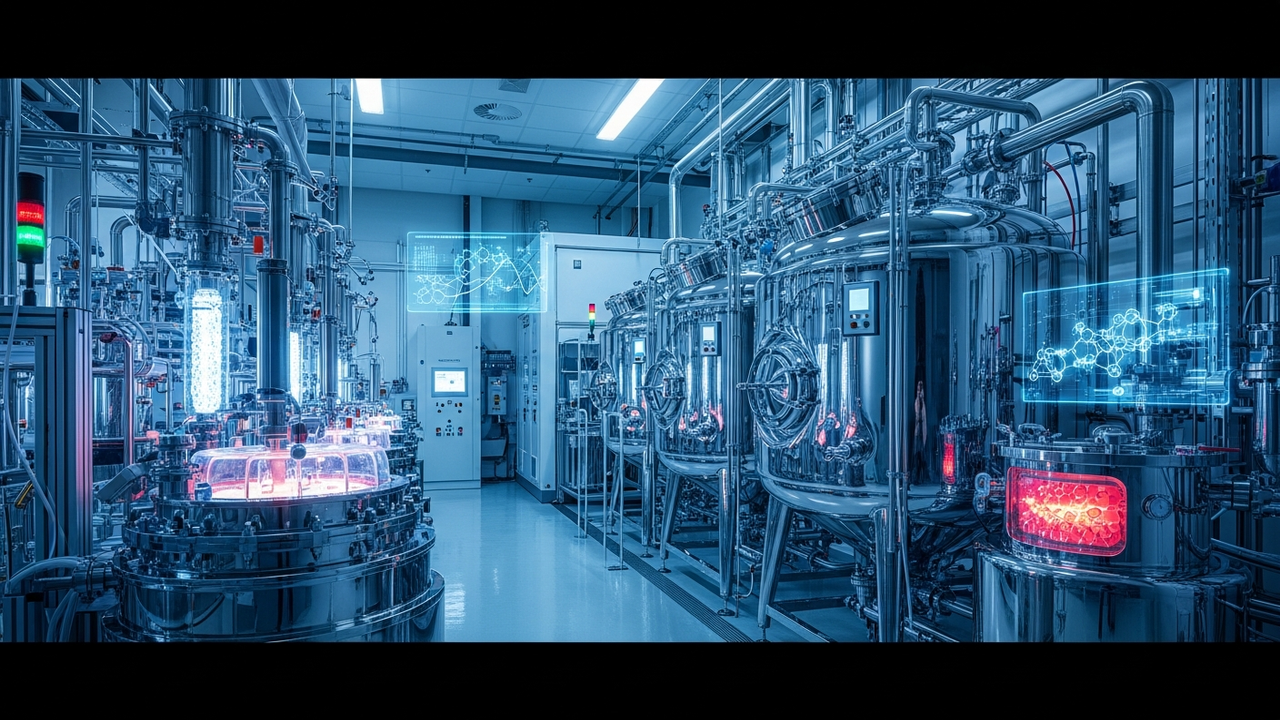
Precision fermentation involves genetically engineering microorganisms (such as yeast, fungi, or bacteria) to produce desired high-value components—like proteins, fats, or flavor compounds—in a nutrient-rich culture medium within bioreactors.
- Contribution to Sustainability: By producing key proteins (e.g., casein, whey, ovalbumin) without animals, precision fermentation drastically reduces the environmental footprint associated with traditional livestock farming, including extensive land and water usage, and greenhouse gas emissions. This aligns with the United Nations Sustainable Development Goals (SDGs).
- Product Quality and Versatility: Ingredients manufactured through precision fermentation can be designed to eliminate allergens or optimize specific nutritional profiles. This enhances the taste and texture of plant-based foods, contributing to the development of more diverse and innovative food products.
- Key Challenges:
- High Production Costs: Current precision fermentation products often face higher production costs compared to conventional agricultural products, primarily due to expensive media components, high energy consumption, and significant initial capital investment.
- Limited Industrial Scale: Scaling up from laboratory to commercial production requires complex engineering, large-scale bioreactors, sophisticated purification facilities, and specialized operational expertise, which is currently a bottleneck.
- Complex Purification Processes: Achieving high purity for the target components necessitates advanced and often costly downstream purification processes, which add to the overall expense.
Background & Context
Amid global population growth and escalating climate change concerns, conventional food production systems are facing sustainability limits. While cultured meat and plant-based alternatives gain traction, precision fermentation is heralded as a technology that can enhance the functionality of these products and create entirely new food categories. Governments, venture capitalists, and major food corporations are making substantial investments in this sector, accelerating technological innovation and commercialization.
Strategic Significance & Outlook
To fully harness the sustainable potential of precision fermentation technology, reducing production costs and establishing efficient manufacturing processes at an industrial scale are imperative. This will likely be achieved through optimization of media components, innovations in bioreactor design, AI-driven process control, and streamlining downstream processing. Overcoming these challenges will position precision fermentation as a crucial pillar in transforming global food systems, building a more sustainable and secure future for both the planet and humanity.
Get our weekly technology intelligence — free
Receive an infographic that lets you judge at a glance whether each field’s analysis report is worth reading.
Subscribe Free — Weekly Tech Intelligence
By subscribing, you’ll receive Troy-Technical’s weekly technology intelligence newsletter.
- Your email and selected fields are used only to deliver the newsletter.
- We never share your information with third parties.
- You can unsubscribe anytime via the link in each email.
See our Privacy Policy for details.
Takes about a minute · Unsubscribe anytime