Key Findings
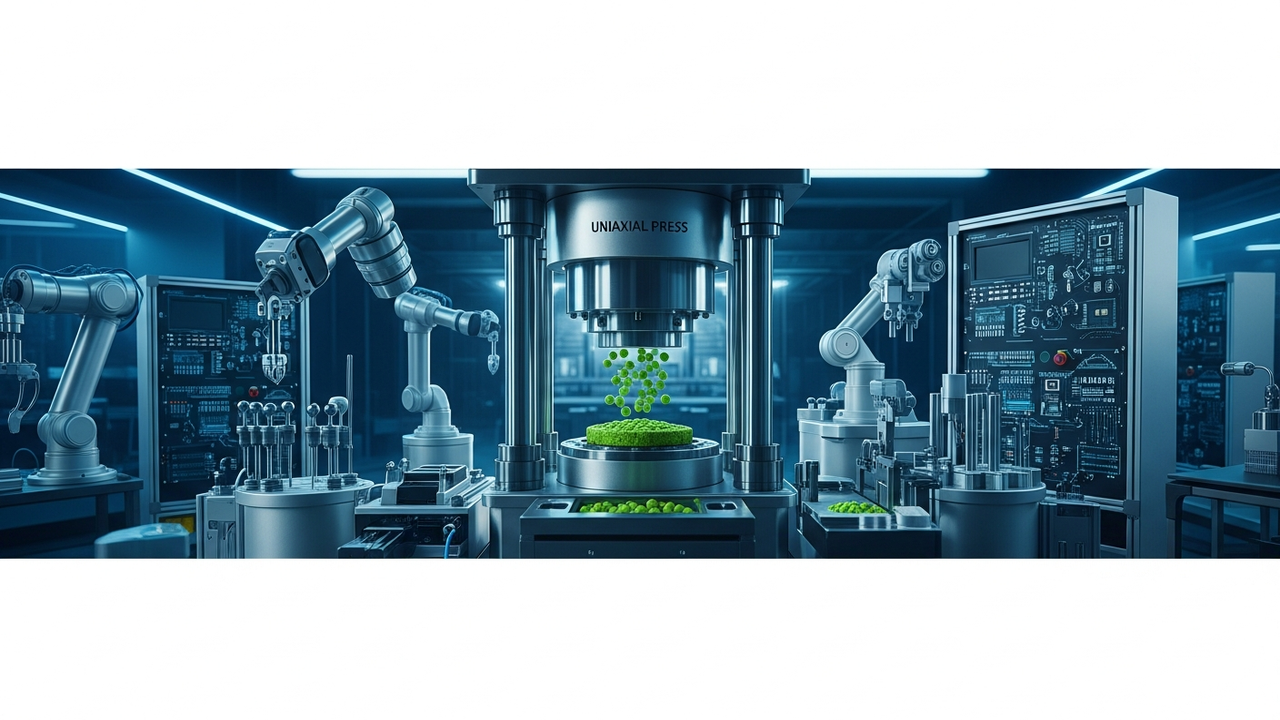
In the manufacturing process of garnet-type Li7La3Zr2O12 (LLZO) solid electrolytes, particularly during the pre-sintering ‘green pellet’ formation stage, uniaxial pressing has been highlighted as an absolutely critical step for achieving high-performance all-solid-state batteries. Uniaxial pressing is indispensable for establishing a uniform density gradient and intimate particle contact within the pellet, which lays the foundation for achieving high ionic conductivity and excellent mechanical strength in the final sintered body.
Technical Details
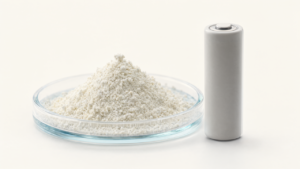
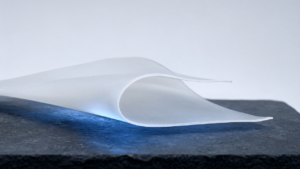
The performance of all-solid-state batteries heavily relies on how efficiently the solid electrolyte can transport lithium ions. LLZO is a promising candidate with high ionic conductivity, but its manufacturing requires high density and crystal quality. During the uniaxial pressing process, LLZO powder is compressed under specific pressure to form uniform ‘green pellets.’ This uniformity is crucial for the material to shrink homogeneously during the subsequent high-temperature sintering step, thereby forming an ideal microstructure. Non-uniform density can lead to warping or cracking during sintering, resulting in reduced ionic conductivity. Uniaxial pressing is often used as a preliminary step to more complex processes like Cold Isostatic Pressing (CIP), and combining with CIP can achieve even higher density and uniformity. Precise pressure management and optimal powder characteristics are key to maximizing the performance of the final solid electrolyte.
Background & Context
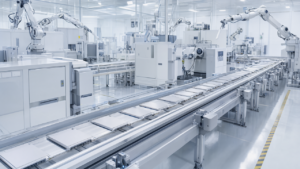
All-solid-state batteries are anticipated as next-generation battery technology that fundamentally improves the range, safety, and charging speed of electric vehicles (EVs), and mass production of high-performance solid electrolytes is essential for their commercialization. Ceramic solid electrolytes like LLZO offer excellent chemical stability and Li-ion conductivity, but challenges have included difficult control over the sintering process and high manufacturing costs. The optimization of green pellets through uniaxial pressing provides a practical solution to these manufacturing challenges, improving manufacturing efficiency and product quality, and representing a significant technological approach to enable cost reduction and large-scale production of all-solid-state batteries. This underscores the importance of manufacturing engineering alongside materials development.
Strategic Significance & Outlook
The optimization of uniaxial pressing technology will directly contribute to the mass production and performance stabilization of LLZO solid electrolytes. Future work is expected to focus on applying this technology to different solid electrolyte materials, manufacturing more complex electrolyte structures, and process innovations aimed at further reducing manufacturing costs. Advancements in this foundational technology are indispensable for all-solid-state batteries to surpass the limitations of current lithium-ion batteries and usher in a future where they are widely adopted across a broad range of applications, including EVs, portable electronic devices, and renewable energy storage systems. Optimization down to the fine details of the manufacturing process will be key to the commercial success of next-generation batteries.
Get our weekly technology intelligence — free
Receive an infographic that lets you judge at a glance whether each field’s analysis report is worth reading.
Subscribe Free — Weekly Tech Intelligence
By subscribing, you’ll receive Troy-Technical’s weekly technology intelligence newsletter.
- Your email and selected fields are used only to deliver the newsletter.
- We never share your information with third parties.
- You can unsubscribe anytime via the link in each email.
See our Privacy Policy for details.
Takes about a minute · Unsubscribe anytime