Key Findings
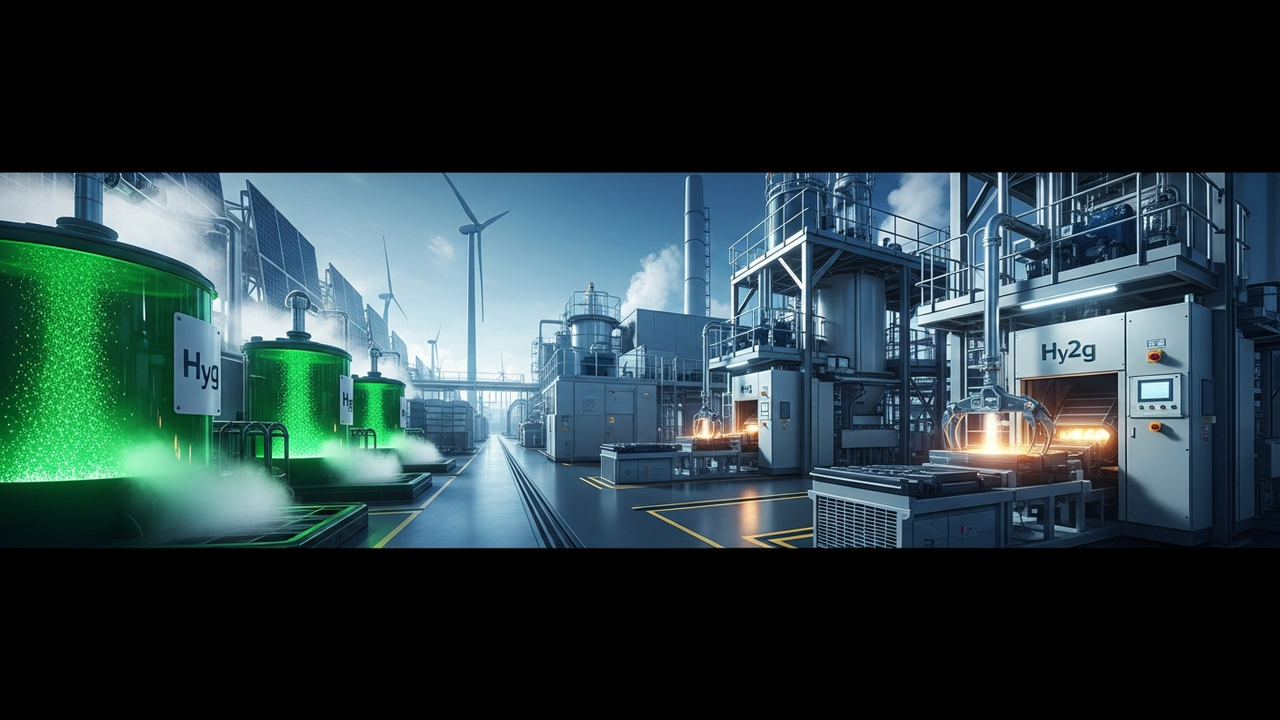
The European Union is significantly strengthening its policy framework to promote the production of low-carbon metals, with the expansion of green hydrogen supply at the core of its industrial competitiveness strategy. Although manufacturing costs for products like low-carbon steel and aluminum remain high, the EU aims to ensure market stability and attract investment into future production capacities through policy incentives, clean energy investments, and access to necessary infrastructure. As a concrete target, the projected hydrogen price for Germany in 2030 is €6.50/kg, and for Sweden, €4.30/kg, signaling a clear commitment to realizing a hydrogen economy within the EU.
Technical and Policy Details
The EU’s low-carbon metals policy framework primarily comprises several key elements. Firstly, it includes mechanisms like the Carbon Border Adjustment Mechanism (CBAM) to mitigate carbon leakage risks and promotes the use of green electricity through the Renewable Energy Directive (RED). Secondly, it involves subsidies and tax incentives for innovative processes in steel and aluminum production, such as Green Hydrogen Direct Reduced Iron (DRI) technology and electrolytic refining. These policies aim to offset high initial capital expenditures and enhance the economic viability of green hydrogen-based manufacturing processes. The projected hydrogen prices reflect anticipated cost reductions achieved through the deployment of large-scale electrolyzers and the integration of renewable energy sources, which are crucial for improving the competitiveness of low-carbon metal production.
Background & Context
The steel and aluminum industries are among the ‘hard-to-abate’ sectors, accounting for a substantial portion of global CO2 emissions. The EU views the green transition of these foundational industries as an urgent priority to meet its carbon neutrality target by 2050. However, shifting from conventional fossil fuel-based production processes to green hydrogen-based ones involves massive capital investment and increased operational costs. Therefore, the EU is using strong policy signals and financial support to reduce private sector investment risks and accelerate the market introduction of green technologies. Through this, the EU seeks to establish global leadership in low-carbon products while simultaneously protecting domestic employment and fostering technological innovation.
Strategic Significance & Outlook
The reinforced EU policy framework and concrete hydrogen price projections are expected to be powerful catalysts for accelerating investment in low-carbon metal production. Countries like Germany and Sweden, with their abundant renewable energy resources, are poised to become hubs for green hydrogen production. Moving forward, the impact of these policies on market dynamics, particularly how the supply and pricing of low-carbon metals evolve, will be closely watched. Furthermore, as global climate action advances, other major economies may adopt similar policies, potentially further increasing the premium for low-carbon metals in global supply chains. This makes investment in hydrogen-fueled industrial processes not just an environmental measure but a source of long-term business competitiveness.
Source: https://reports.weforum.org/docs/WEF_The_Economics_of_Low-Carbon_Metals_2026.pdf
Get our weekly technology intelligence — free
Receive an infographic that lets you judge at a glance whether each field’s analysis report is worth reading.
Subscribe Free — Weekly Tech Intelligence
By subscribing, you’ll receive Troy-Technical’s weekly technology intelligence newsletter.
- Your email and selected fields are used only to deliver the newsletter.
- We never share your information with third parties.
- You can unsubscribe anytime via the link in each email.
See our Privacy Policy for details.
Takes about a minute · Unsubscribe anytime



Comments