
Key Findings: FT819, an Off-the-Shelf iPSC-Derived CAR T-cell Therapy, Shows Promising Early Data for Systemic Sclerosis
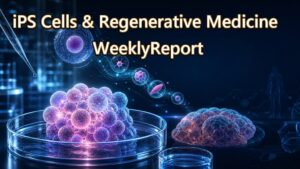
Preliminary clinical data for FT819, a novel iPSC-derived CAR T-cell therapy targeting treatment-resistant systemic sclerosis, were presented at the 2026 International Society for Stem Cell Research (ISSCR) Annual Meeting. These findings suggest a revolutionary “off-the-shelf” cellular therapeutic potential for autoimmune diseases, particularly in conditions like systemic sclerosis that have historically been difficult to treat.
Technical & Clinical Details: Leveraging iPSC Banks for Scalable, Accessible Therapy
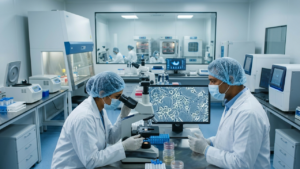
FT819 distinguishes itself from conventional autologous CAR T-cell therapies (which use a patient’s own cells) by being manufactured from a pre-established induced pluripotent stem cell (iPSC) bank. This approach eliminates the need for individualized manufacturing processes, facilitating a more rapid and cost-effective “off-the-shelf” product. This is critical for supporting scalable production and ensuring timely access for a broader patient population. The preliminary clinical data highlighted a favorable safety profile for FT819, with no serious adverse events reported. Furthermore, beyond its application in systemic sclerosis patients, the therapy has been successfully administered in outpatient settings for patients with rheumatoid arthritis, demonstrating good tolerability in similar autoimmune contexts. Systemic sclerosis is a progressive autoimmune disease characterized by fibrosis of the skin, blood vessels, and internal organs, for which current therapies often fail to halt disease progression.
Background & Context: Expanding CAR T Horizons to Autoimmune Diseases
CAR T-cell therapies have achieved remarkable successes predominantly in the treatment of hematological cancers. However, recent years have seen a surge in research exploring their application in autoimmune diseases. In these conditions, self-reactive B and T cells are believed to drive tissue damage, making the selective elimination of these aberrant immune cells via CAR T-cell technology a highly attractive strategy. The development of iPSC-derived, off-the-shelf CAR T products addresses the challenges of donor dependency and manufacturing complexity, offering the potential to provide rapid treatment to a wider range of autoimmune disease patients. The presentation of FT819 underscores that the convergence of iPSC technology and CAR T-cell therapy is becoming a powerful platform, not only for oncology but also for pioneering new therapeutic frontiers in autoimmune disorders.
Strategic Significance & Outlook: Advancing Towards Widespread Clinical Adoption
The next steps for FT819 development will involve larger-scale clinical trials to establish definitive efficacy and long-term safety in systemic sclerosis. Achieving objective endpoints such as reduction in disease activity, improvement in organ function, and enhanced patient quality of life will be crucial. The off-the-shelf strategy implies that, in the future, patients globally could receive this innovative therapy in a timely and accessible manner, potentially ushering in a paradigm shift in the treatment of autoimmune diseases. Continued research will focus on optimizing CAR T-cell persistence and fine-tuning targeting strategies for maximum therapeutic impact.
Get our weekly technology intelligence — free
Receive an infographic that lets you judge at a glance whether each field’s analysis report is worth reading.
Subscribe Free — Weekly Tech Intelligence
By subscribing, you’ll receive Troy-Technical’s weekly technology intelligence newsletter.
- Your email and selected fields are used only to deliver the newsletter.
- We never share your information with third parties.
- You can unsubscribe anytime via the link in each email.
See our Privacy Policy for details.
Takes about a minute · Unsubscribe anytime



Comments