Key Findings
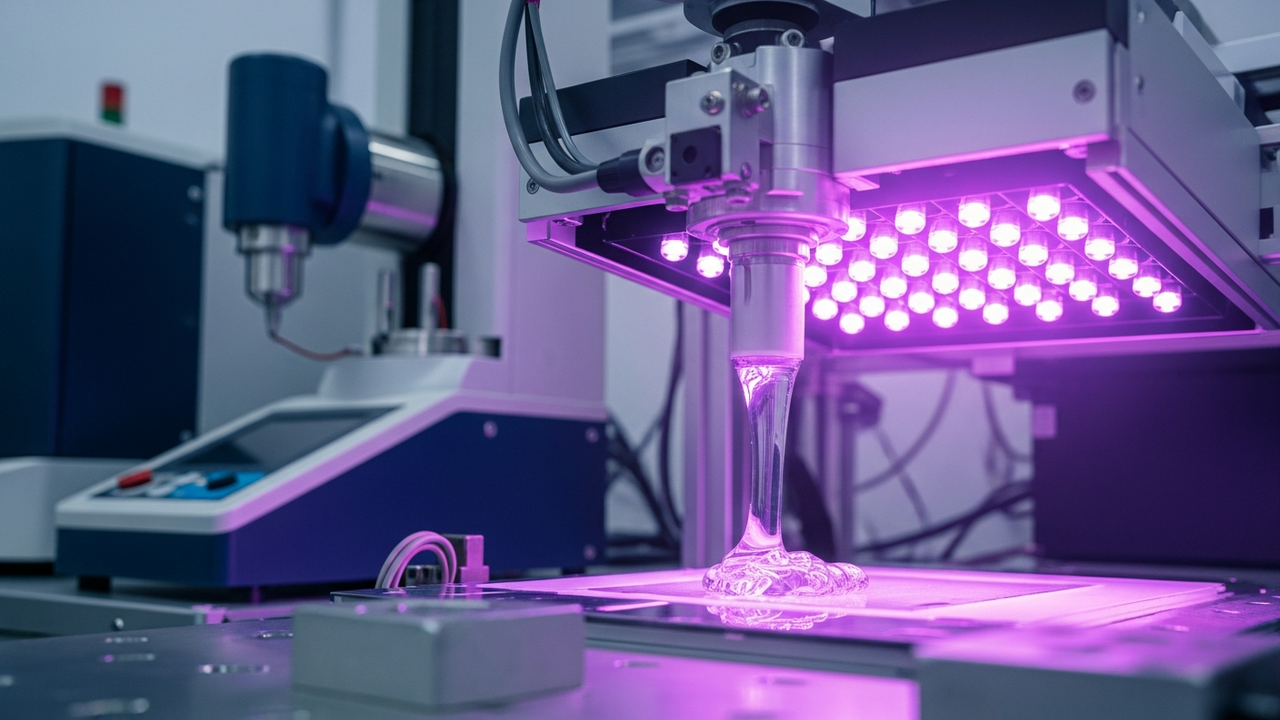
A new regulatory standard, UL 746E-2026, has become mandatory for UV-curing adhesives targeting the North American market, effective July 1, 2026. This updated requirement stipulates that UV adhesives utilized in continuous piezo-jet valve operations must demonstrate, through third-party verification, that their curing performance degradation does not exceed 15% after 500 hours of continuous jetting. This critical standard is designed to ensure the stability and reliability of UV adhesives in high-precision, high-speed production environments.
Technical/Clinical Details
The introduction of UL 746E-2026 establishes a rigorous new benchmark for evaluating the performance of UV-curing adhesives. While initial performance characteristics have traditionally been assessed, the long-term stability and sustained curing properties—specifically curing speed and bond strength—after repetitive dispensing and curing cycles, had not been adequately standardized. The 500-hour continuous jetting test accurately simulates the performance degradation behavior of adhesives under prolonged, real-world production conditions, providing an objective measure of their durability. This requirement is particularly vital for sectors such as electronics manufacturing and medical device assembly, where precision and unwavering bond reliability are paramount.
Background & Context
UV-curing adhesives are widely adopted in the manufacturing of electronic components, medical devices, and optical assemblies due to their rapid cure times, precise application capabilities, and solvent-free formulations. However, in increasingly miniaturized component manufacturing processes, even minor fluctuations in adhesive performance can significantly compromise product quality and reliability. The enhanced UL regulation aims to elevate quality standards in these high-value applications, necessitating further optimization in material selection, formulation development, and manufacturing processes from suppliers. Furthermore, this new standard will serve as a crucial metric in technical agreements between suppliers and users.
Strategic Significance & Outlook
The implementation of UL 746E-2026 is expected to accelerate innovation and quality competition within the North American UV-curing adhesive market. Adhesive manufacturers will need to focus on developing new formulations with superior long-term curing stability and revise their testing and quality control protocols. This will lead to the supply of adhesives with guaranteed long-term reliability, significantly enhancing the safety and dependability of products in high-precision manufacturing sectors. Ultimately, this regulation will contribute to delivering higher quality and safer products to consumers.
Get our weekly technology intelligence — free
Receive an infographic that lets you judge at a glance whether each field’s analysis report is worth reading.
Subscribe Free — Weekly Tech Intelligence
By subscribing, you’ll receive Troy-Technical’s weekly technology intelligence newsletter.
- Your email and selected fields are used only to deliver the newsletter.
- We never share your information with third parties.
- You can unsubscribe anytime via the link in each email.
See our Privacy Policy for details.
Takes about a minute · Unsubscribe anytime





Comments