Key Findings
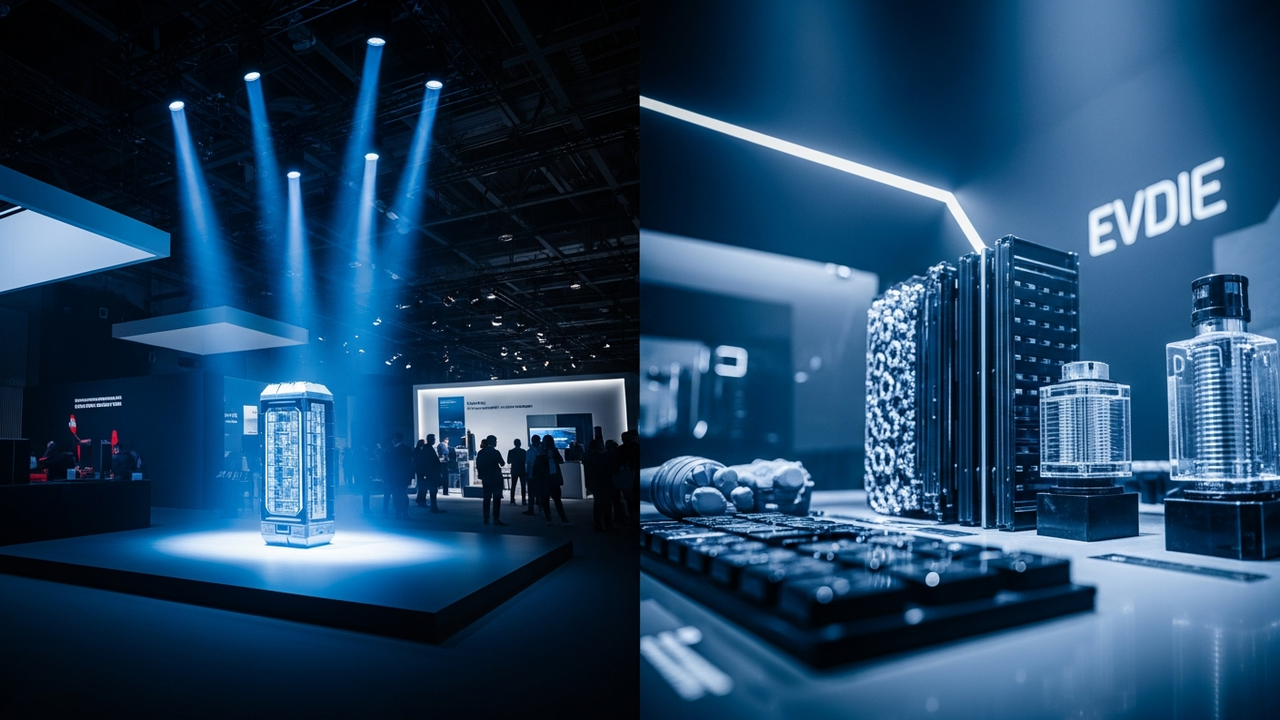
Arkema made significant announcements at The Battery Show Europe 2026, unveiling groundbreaking solutions and innovations for electric vehicle (EV) and energy storage system (ESS) battery systems. Notably, the company introduced new PVDF (Polyvinylidene Fluoride) grades, Kynar® HSV 1200 and Kynar® HSV 1400, specifically designed to dramatically improve the adhesion and energy density of Lithium Iron Phosphate (LFP) cathodes. Additionally, Arkema showcased Incellion™ Sp 1252, an innovative acrylic binder for ceramic-coated separators, and Incellion™ Sp 450, a PVDF cobinder for adhesion layers, while also accelerating the development of next-generation binder materials for all-solid-state batteries.
Technical/Clinical Details
The Kynar® HSV 1200 and HSV 1400 grades contribute to stabilizing the LFP cathode’s electrode structure, leading to enhanced cycle life and charging efficiency. These PVDF grades offer exceptional chemical stability and resistance to electrolytes, maintaining stable battery performance even under high-temperature conditions. The Incellion™ Sp 1252 acrylic binder improves the adhesion of ceramic-coated separators, reducing the risk of internal short circuits and thereby boosting safety and reliability. The Incellion™ Sp 450 PVDF cobinder optimizes the strength and flexibility of adhesion layers, reinforcing the overall mechanical stability of battery cells. The development of solid-state battery binders represents a crucial next step toward achieving even higher energy densities and safety profiles.
Background & Context
Battery technology plays a central role in the proliferation of EVs and the integration of renewable energy, driving intense demand for higher performance, safer, and longer-lasting battery materials. LFP batteries, in particular, are experiencing increased demand due to their cost-effectiveness, but improvements in energy density and adhesion performance have been key challenges. Furthermore, all-solid-state batteries, envisioned as the next generation, promise significant advancements in safety and energy density compared to current lithium-ion batteries. Their realization critically depends on innovative materials, especially binders that can robustly join electrodes and solid electrolytes. Arkema’s recent announcements directly address these pressing market needs.
Strategic Significance & Outlook
The new materials introduced by Arkema have the potential to push the boundaries of battery performance in both EV and ESS markets, significantly contributing to the realization of sustainable energy solutions. The PVDF grades for LFP cathodes will improve the cost-to-performance ratio of batteries, accelerating EV adoption and reducing overall costs. Moreover, the development of next-generation binder materials for all-solid-state batteries is expected to enable breakthroughs in future battery technologies, potentially revolutionizing the energy storage sector. Through continuous R&D, Arkema is solidifying its position as a key innovator supporting the evolution of the battery ecosystem.
Get our weekly technology intelligence — free
Receive an infographic that lets you judge at a glance whether each field’s analysis report is worth reading.
Subscribe Free — Weekly Tech Intelligence
By subscribing, you’ll receive Troy-Technical’s weekly technology intelligence newsletter.
- Your email and selected fields are used only to deliver the newsletter.
- We never share your information with third parties.
- You can unsubscribe anytime via the link in each email.
See our Privacy Policy for details.
Takes about a minute · Unsubscribe anytime




Comments