
Key Findings
As cell therapy products advance towards commercialization, the impact of their manufacturing processes on critical quality attributes, patient safety, and commercial feasibility has emerged as a paramount challenge. To address these complexities—including variable starting materials, cellular mechanical fragility, multi-stage processing, and stringent regulatory demands—the design and implementation of closed, reproducible, and scalable production platforms are deemed indispensable. This strategic shift is critical for ensuring the consistent quality and efficient production required for bringing cell therapies to market.
Technical / Clinical Details
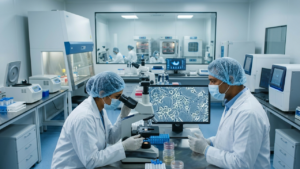
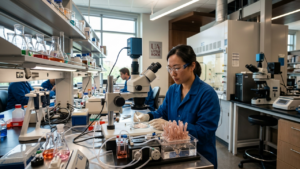
Cell therapy manufacturing involves a complex series of steps to process collected biological cells into therapeutic products of appropriate quality and quantity. The starting materials, derived from patients or donors, can vary significantly due to individual differences and environmental factors. Furthermore, cells are intrinsically sensitive to shear stress and temperature fluctuations, making traditional, open, manual systems prone to variability and difficult to control for quality. The proposed solution involves manufacturing systems characterized by:
- **Closed Systems**: Minimizing contamination risk and ensuring sterility.
- **Reproducible Automation**: Standardizing process parameters and eliminating human error.
- **Scalability**: Designing systems capable of flexible expansion from clinical to commercial production volumes.
- **Real-time Monitoring and Control**: Continuously overseeing Key Quality Attributes (CQAs) during processing and making necessary adjustments.
Meeting these requirements demands specialized equipment and infrastructure, including advanced bioreactors, automated cell separation devices, inline sensor technologies, and integrated data management systems.
Background & Context
The cell therapy market is experiencing rapid growth, with numerous innovative therapies in late-stage clinical development. However, despite promising therapeutic discoveries, manufacturing inefficiencies and insufficient quality control remain primary hurdles that delay product launch and inflate treatment costs. Regulatory bodies, such as the FDA and EMA, are intensifying their guidelines for cell therapy manufacturing, demanding robust process development and rigorous quality control demonstration. Consequently, optimizing manufacturing processes has become a strategic imperative for companies to secure competitive advantage and ensure patient access.
Strategic Significance & Outlook
Looking ahead, cell therapy manufacturing is expected to embrace higher levels of automation and digitalization. The integration of AI and machine learning for process optimization, predictive analytics, and digital twin technologies promises to dramatically enhance manufacturing efficiency and quality consistency. These advancements will make cell therapies more cost-effective and accessible to a broader patient population, thereby maximizing the potential of regenerative medicine. Innovations in manufacturing technology are the cornerstone for cell therapies to establish themselves as a sustainable medical model globally.
Get our weekly technology intelligence — free
Receive an infographic that lets you judge at a glance whether each field’s analysis report is worth reading.
Subscribe Free — Weekly Tech Intelligence
By subscribing, you’ll receive Troy-Technical’s weekly technology intelligence newsletter.
- Your email and selected fields are used only to deliver the newsletter.
- We never share your information with third parties.
- You can unsubscribe anytime via the link in each email.
See our Privacy Policy for details.
Takes about a minute · Unsubscribe anytime





Comments