Key Findings
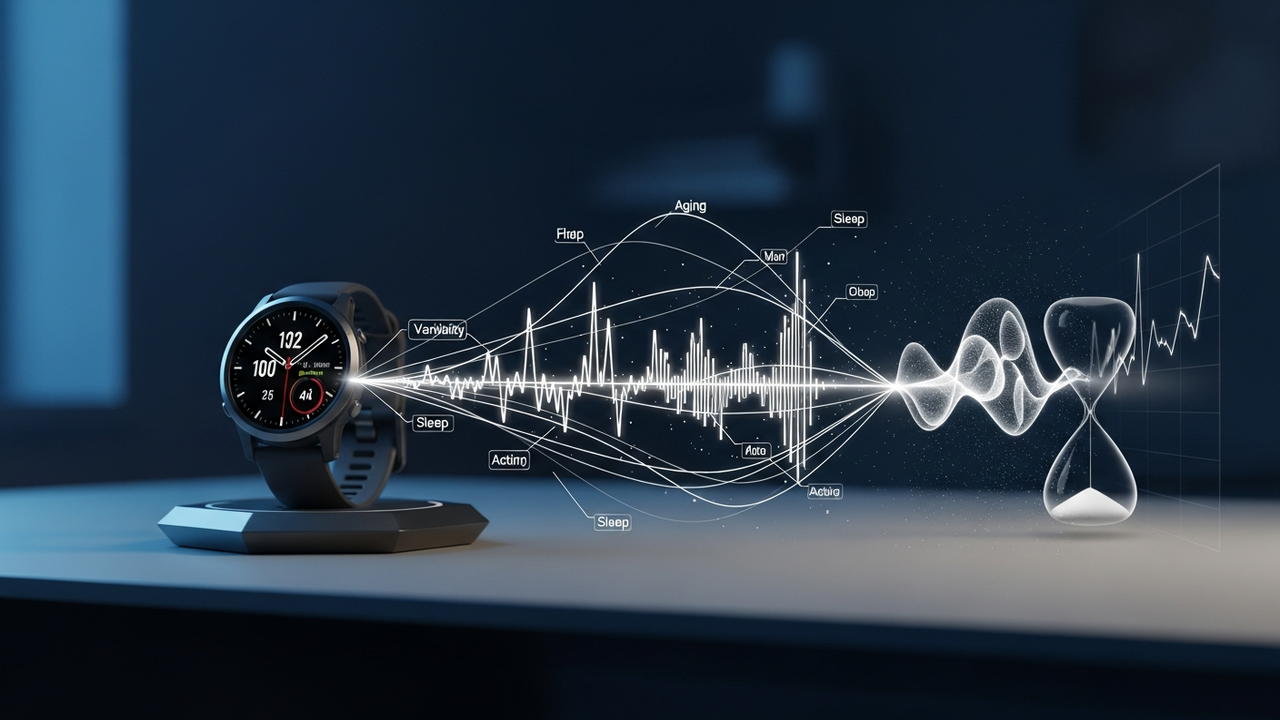
A recent study published in MDPI has revealed that smartwatch-derived digital biomarkers, collected from Garmin wearable devices, can serve as powerful indicators for predicting the pace of biological aging in older adults living in community settings. Notably, daily step count, average SpO2 (blood oxygen saturation), and resting heart rate were identified as the most relevant predictive markers.
Technical and Clinical Details
- Data Source: The research leveraged a large, real-world dataset collected longitudinally from a diverse cohort of participants using Garmin smartwatches. This dataset encompassed a wide range of digital biomarkers, including activity levels (step count), cardiorespiratory fitness metrics, sleep patterns, and physiological stress levels.
- Measurement of Biological Aging: The research team assessed the individual pace of aging using the concept of “biological aging,” measured through molecular-level indicators such as DNA methylation. This metric provides a more accurate reflection of an individual’s health status and disease risk than chronological age alone.
- Key Predictive Markers: Analysis revealed that several non-invasive data points obtained from smartwatches exhibited a statistically significant association with the rate of biological aging:
- Daily Step Count: Higher activity levels correlated with slower biological aging.
- Average SpO2: Favorable oxygen saturation levels were linked to healthier aging.
- Resting Heart Rate: A lower resting heart rate suggested healthier cardiovascular function and aging patterns.
- Non-Invasive Screening Potential: The findings suggest that data from commercially available wearable devices could provide valuable insights into an individual’s biological vulnerability and aging pace without the need for expensive or invasive clinical laboratory tests.
Background and Industry Context
With global population aging, extending healthspan has become a pressing challenge. Traditional health assessments often rely on periodic check-ups and clinical tests, which offer only momentary snapshots and struggle to capture an individual’s dynamic health status comprehensively. The widespread adoption of wearable devices and advancements in AI-driven data analysis provide new opportunities for continuous health monitoring and early risk identification. This study marks a significant step, demonstrating that popular smartwatches can delve into the realm of biological assessment previously confined to specialized laboratories.
Strategic Significance and Outlook
This discovery will significantly impact the development of personalized preventive healthcare strategies. Smartwatch data can be used to identify individuals at risk of accelerated biological aging early, allowing for personalized lifestyle interventions, such as exercise, nutrition, and sleep improvement recommendations. In the future, AI-powered health management apps utilizing smartwatch data are expected to offer users personalized “anti-aging” programs and disease prevention guidelines. This technology holds the potential to extend healthy lifespans and reduce healthcare costs, fostering further growth in the wellness industry and digital health sectors within aging societies. However, careful consideration of ethical and regulatory aspects concerning data privacy and security will be essential.
Source: https://www.mdpi.com/3042-9315/1/1/5
Get our weekly technology intelligence — free
Receive an infographic that lets you judge at a glance whether each field’s analysis report is worth reading.
Subscribe Free — Weekly Tech Intelligence
By subscribing, you’ll receive Troy-Technical’s weekly technology intelligence newsletter.
- Your email and selected fields are used only to deliver the newsletter.
- We never share your information with third parties.
- You can unsubscribe anytime via the link in each email.
See our Privacy Policy for details.
Takes about a minute · Unsubscribe anytime




Comments