Key Findings
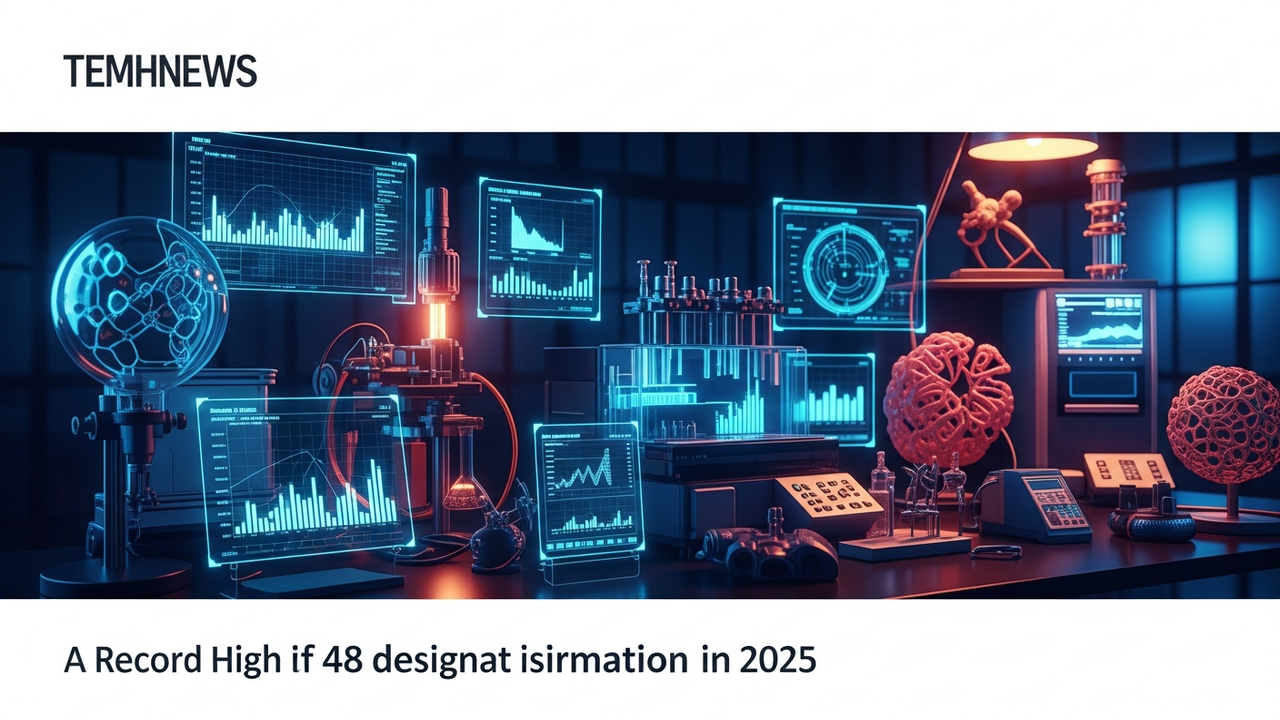
A recent GlobalData report has revealed that the U.S. Food and Drug Administration (FDA) granted a record-breaking 48 Regenerative Medicine Advanced Therapy (RMAT) designations in 2025. This exceptional figure means that the designations in 2024 and 2025 alone constitute 48% of all RMAT designations awarded since the program’s inception, unequivocally demonstrating the explosive growth in the regenerative medicine sector and the accelerating trend in regulatory approvals.
Technical / Clinical Details
RMAT designation is a special expedited pathway granted to regenerative medicine products (including cell therapies, gene therapies, and tissue-engineered products) intended to treat serious or life-threatening conditions. This designation allows developing companies to benefit from intensive FDA guidance, early and frequent consultations, and priority review, significantly shortening the time to market. Eligible products typically rely on early clinical data showing a clinically meaningful improvement over existing therapies. The surge in designations during 2024 and 2025 strongly corroborates an increasing number of innovative regenerative medicine products entering clinical development.
Background & Context
The RMAT designation program was established in 2017 under the 21st Century Cures Act to expedite the development and approval of regenerative medicine products. Its primary goal is to provide groundbreaking therapies to patients with unmet medical needs more quickly. The unprecedented increase in RMAT designations over the past two years signals the maturation of regenerative medicine technologies and the success of companies’ clinical development strategies. This trend serves as a vital indicator for investors, pharmaceutical companies, and patient communities that regenerative medicine is transitioning from an experimental domain to a mainstream medical field.
Strategic Significance & Outlook
The sustained increase in RMAT designations strongly suggests continued acceleration in the regulatory review and market introduction of regenerative medicine products. This will likely lead to a greater availability of new therapeutic options across a wide range of disease areas, including cancer, rare genetic disorders, cardiovascular diseases, and neurodegenerative conditions. Developing companies will leverage the benefits of RMAT designation to streamline clinical trials and aim for earlier approvals. This dynamic trend forecasts further expansion of the regenerative medicine market, with technological innovation playing a central role in shaping the future of healthcare.
Source: #
Get our weekly technology intelligence — free
Receive an infographic that lets you judge at a glance whether each field’s analysis report is worth reading.
Subscribe Free — Weekly Tech Intelligence
By subscribing, you’ll receive Troy-Technical’s weekly technology intelligence newsletter.
- Your email and selected fields are used only to deliver the newsletter.
- We never share your information with third parties.
- You can unsubscribe anytime via the link in each email.
See our Privacy Policy for details.
Takes about a minute · Unsubscribe anytime






Comments