Key Findings
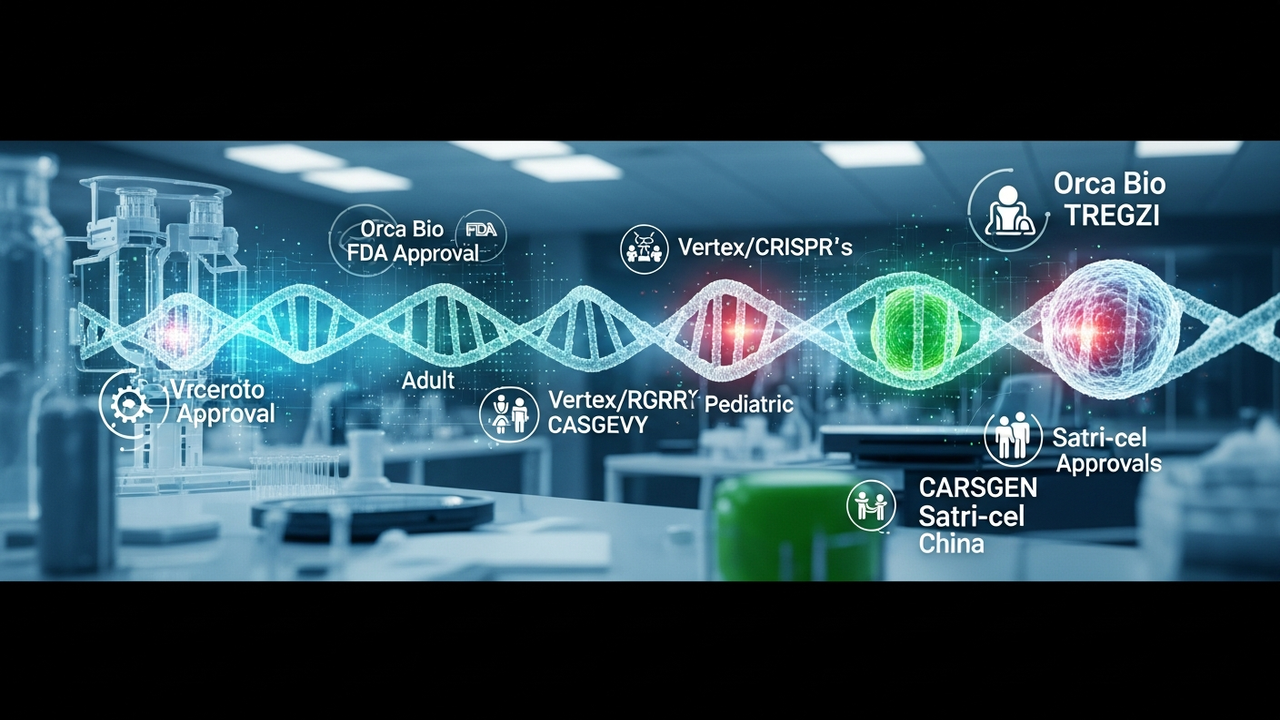
A gene and cell therapy update on July 9, 2026, reported several pivotal advancements. Orca Bio’s precision engineered cell therapy, TREGZI, received FDA approval, introducing a new treatment option for matched donor allogeneic transplants in hematologic malignancies. Concurrently, CASGEVY, the gene-editing therapy developed by Vertex Pharmaceuticals and CRISPR Therapeutics, expanded its indication to pediatric patients aged 2 and older, improving treatment access for sickle cell disease and transfusion-dependent beta-thalassemia. Additionally, Carsgen Therapeutics’ CAR T-cell therapy, Satri-cel, was approved in China, marking a significant milestone for CAR T-cell therapy in solid tumors.
Technical / Clinical Details
- Orca Bio’s TREGZI: TREGZI is a precisely engineered T-cell subset product aimed at reducing the risk of graft-versus-host disease (GvHD), a severe complication in hematopoietic stem cell transplantation. The FDA approval suggests TREGZI’s potential to improve the incidence and severity of GvHD following matched donor allogeneic transplants for patients with hematologic malignancies. This therapy seeks to enhance transplant safety and efficacy by optimizing donor cell composition.
- Vertex/CRISPR Therapeutics’ CASGEVY: CASGEVY, the first approved therapy utilizing CRISPR/Cas9 gene-editing technology, offers a groundbreaking approach for sickle cell disease and transfusion-dependent beta-thalassemia. The expanded indication to pediatric patients aged 2 and older holds the promise of improving long-term outcomes for children suffering from these genetic disorders by enabling earlier intervention. This represents a significant step in the clinical application of gene-editing technologies.
- Carsgen Therapeutics’ Satri-cel: Satri-cel is among the first CAR T-cell therapies approved in China for solid tumors. This approval signifies the potential for CAR T-cell therapies to be effective beyond hematologic cancers, addressing the challenging landscape of solid tumor treatment and opening a new frontier in cancer immunotherapy. This achievement is likely attributed to technical advancements that overcome previous hurdles in solid tumor CAR T-cell therapy, such as the immunosuppressive tumor microenvironment and heterogeneity of target antigens.
Background & Context
These approvals and expanded indications reflect the rapid maturation of the gene and cell therapy sector, which is achieving clinical successes across diverse disease areas. Managing GvHD, providing curative treatments for genetic blood disorders, and extending CAR T applications to solid tumors represent crucial advancements addressing previously unmet medical needs. Regulatory bodies are also establishing frameworks to accelerate access to these innovative therapies, anticipating further developments in the field.
Strategic Significance & Outlook
The approvals and expanded indications for these products offer new treatment options for patients and are likely to significantly improve outcomes for their respective diseases. TREGZI will enhance transplant safety, CASGEVY enables curative interventions from early childhood, and Satri-cel opens new applications for CAR T-cell therapy in solid tumors. These successes are expected to further stimulate investment in gene and cell therapy R&D, leading to the emergence of more groundbreaking therapies in the coming years and ultimately transforming patient care.
Source: #
Get our weekly technology intelligence — free
Receive an infographic that lets you judge at a glance whether each field’s analysis report is worth reading.
Subscribe Free — Weekly Tech Intelligence
By subscribing, you’ll receive Troy-Technical’s weekly technology intelligence newsletter.
- Your email and selected fields are used only to deliver the newsletter.
- We never share your information with third parties.
- You can unsubscribe anytime via the link in each email.
See our Privacy Policy for details.
Takes about a minute · Unsubscribe anytime





Comments