Key Findings
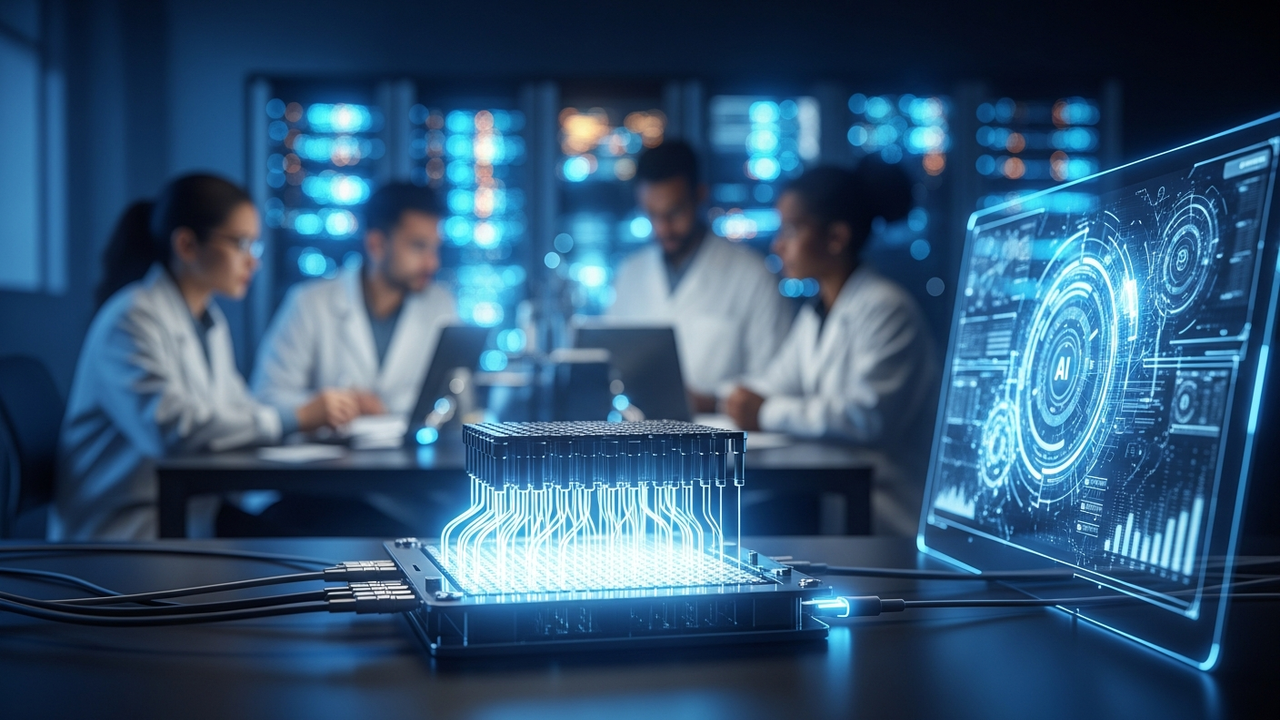
A collaborative team of researchers from Incheon National University and Juntendo University has successfully developed a pioneering methodology that integrates Artificial Intelligence (AI) with microfluidics to unlock the untapped genetic potential within microorganisms. This innovative approach combines advanced machine learning algorithms with high-throughput microfluidic platforms, enabling efficient screening and manipulation of microbial genetic pathways. This breakthrough promises to drive significant advancements across various fields, including bioengineering, drug discovery, and environmental diagnostics.
Technical / Clinical Details
The innovative technology first isolates and processes a large number of microbial cells on microfluidic chips, monitoring their responses to different environmental conditions and genetic modifications in real-time. Subsequently, AI, particularly deep learning models, analyzes this vast dataset to identify optimized variations and conditions in microbial metabolic pathways and gene expression patterns. This AI-driven screening dramatically improves the efficiency of selecting microbial strains with desired biocatalytic production capabilities or specific substance degradation abilities, significantly outperforming traditional random screening methods (e.g., boosting screening speed by over 10 times). Examples include the discovery of more efficient biofuel-producing bacteria or the engineering of microorganisms capable of degrading specific environmental pollutants. The use of microfluidic technology also substantially reduces reagent consumption, lowering experimental costs and time.
Background & Context
Microorganisms possess immense untapped potential for diverse industrial applications. However, identifying and optimizing strains with desired functions has been challenging due to their vast genetic diversity and complex metabolic networks. Traditional microbial engineering processes have been time-consuming, labor-intensive, and often involved extensive trial and error. The fusion of AI and microfluidics addresses these bottlenecks, enabling a faster and more systematic approach to harness microbial capabilities. This marks a new era in synthetic biology, biosensor development, and the advancement of sustainable production processes. Significant contributions are anticipated, particularly in bioremediation of environmental pollutants and the development of detection elements for next-generation biosensors.
Strategic Significance & Outlook
The research findings from Incheon National University and Juntendo University open up vast possibilities for sustainable technology development utilizing microorganisms. Future work aims to further advance this platform for analyzing more complex microbial communities and enhancing the sensitivity of biosensors for disease diagnosis. For instance, it could lead to the development of new POCT devices for early detection of infectious diseases or rapid identification of antibiotic-resistant bacteria. Moreover, this technology is poised to become an indispensable component of future digital healthcare, where AI analyzes biosensor data to make real-time environmental and biological assessments. Through continued international collaboration, this innovative approach is expected to contribute to addressing global challenges across scientific and industrial sectors.
Get our weekly technology intelligence — free
Receive an infographic that lets you judge at a glance whether each field’s analysis report is worth reading.
Subscribe Free — Weekly Tech Intelligence
By subscribing, you’ll receive Troy-Technical’s weekly technology intelligence newsletter.
- Your email and selected fields are used only to deliver the newsletter.
- We never share your information with third parties.
- You can unsubscribe anytime via the link in each email.
See our Privacy Policy for details.
Takes about a minute · Unsubscribe anytime








Comments