
Key Findings
A laboratory at the University of Illinois Cancer Center (CCIL) has released multi-institutional research findings indicating that the rise of Point-of-Care Testing (POCT) diagnostic technology is ushering in a paradigm shift in oncology patient care. This seminal report meticulously details POCT’s indispensable role in facilitating rapid diagnosis, enabling personalized treatment plans, and significantly enhancing healthcare accessibility. The research particularly underscores POCT’s potential to improve patient outcomes through early detection and real-time monitoring.
Technical / Clinical Details
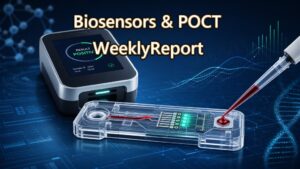
The study focuses on new POCT devices that integrate biosensors, microfluidics, and mobile platforms. These devices are capable of rapidly and highly sensitively detecting cancer-related biomarkers (e.g., circulating tumor cells, specific genetic mutations, protein markers) from readily available samples like blood, saliva, or urine. Compared to traditional lab-based diagnostics, POCT delivers results within minutes and can be used in clinics, doctor’s offices, or even patients’ homes without requiring complex instrumentation or specialized expertise. This allows patients to receive quicker diagnoses, monitor treatment efficacy, and detect recurrence earlier. The report specifically notes POCT’s effectiveness in quickly determining eligibility for targeted and immunotherapies, thereby shortening the time to treatment initiation.
Background & Context
Cancer diagnosis and treatment often represent a race against time, where timely and accurate information can significantly influence patient prognosis. Conventional diagnostic processes have historically been burdened by lengthy turnaround times from sample collection to lab analysis and result reporting, posing significant challenges, especially in urgent situations or remote areas. POCT technology addresses this bottleneck by providing immediate diagnostic capabilities at the point of care or within communities, fostering the decentralization and democratization of healthcare delivery. This holds critical implications for improving cancer screening and management, particularly in low- and middle-income countries.
Strategic Significance & Outlook
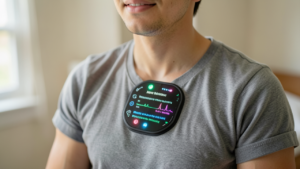
Through this multi-institutional collaboration, the University of Illinois Cancer Center aims to accelerate further research, development, and clinical application of POCT in oncology. In the future, integrating AI and data analytics into POCT devices is expected to enable even more personalized risk assessments and treatment response predictions. Furthermore, integration with wearable biosensors could facilitate continuous health monitoring for cancer patients and early detection of adverse events during treatment. This paradigm shift holds the potential to dramatically improve the efficiency, accessibility, and ultimately, the outcomes of cancer care globally.
Get our weekly technology intelligence — free
Receive an infographic that lets you judge at a glance whether each field’s analysis report is worth reading.
Subscribe Free — Weekly Tech Intelligence
By subscribing, you’ll receive Troy-Technical’s weekly technology intelligence newsletter.
- Your email and selected fields are used only to deliver the newsletter.
- We never share your information with third parties.
- You can unsubscribe anytime via the link in each email.
See our Privacy Policy for details.
Takes about a minute · Unsubscribe anytime







Comments