Key Findings: Micron Pledges $500M for US Wafer Plant, Aiming for 40% Domestic DRAM by 2035
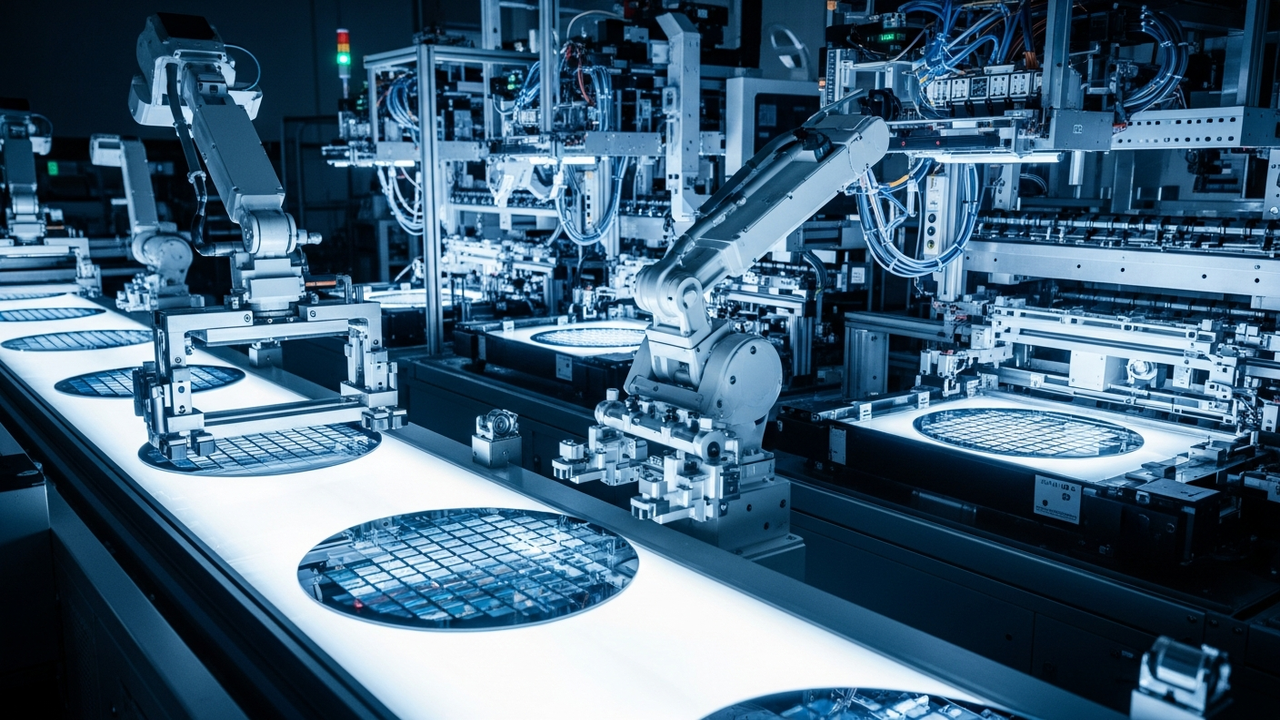
Micron Technology has announced a $500 million investment in GlobalWafers’ silicon wafer manufacturing plant currently under construction in Texas. This strategic commitment is a cornerstone of Micron’s audacious goal to produce 40% of its DRAM in the United States by 2035, underscoring a significant increase in its overall U.S. spending, which now totals $250 billion. The move highlights a concerted effort to strengthen domestic semiconductor supply chains.
Technical & Investment Details: Global and Domestic HBM Packaging Strategies
- Micron is concurrently investing heavily in High Bandwidth Memory (HBM) packaging capabilities, critical for high-performance AI chips. A substantial $7 billion HBM packaging facility is under construction in Singapore, slated to commence operations in 2026. This international expansion addresses the immediate and surging global demand for HBM.
- Domestically, HBM packaging capacity in the U.S. is projected to accelerate around 2028. Competitors such as SK hynix are already proceeding with plans for a 2.5D advanced packaging plant in Indiana, and Amkor Technology is expanding its Arizona campus with a $7 billion investment, targeting production commencement in early 2028. These initiatives are significantly influenced by U.S. government incentives, such as the CHIPS Act, fostering a resurgence in domestic semiconductor manufacturing.
- The investment in GlobalWafers aims to bolster vertical integration within the U.S. semiconductor ecosystem, from upstream wafer supply to downstream packaging, thereby enhancing supply chain resilience.
Background & Industry Context: Geopolitical Imperatives and Supply Chain Reshaping
The semiconductor industry has recently experienced heightened geopolitical tensions and supply chain disruptions, notably during the COVID-19 pandemic. In response, governments worldwide are aggressively promoting the strengthening of domestic semiconductor manufacturing capabilities. The U.S. CHIPS Act is a prime example, offering substantial subsidies and tax incentives to chip manufacturers for domestic facility investments. Micron’s announcement aligns with these global trends and policy incentives, aiming to secure its competitive edge in memory and packaging technologies, which are gaining increasing importance in the era of AI.
Strategic Significance & Outlook: Fortifying the US Ecosystem and Future Competitiveness
Micron’s substantial investment is expected to invigorate the entire U.S. semiconductor ecosystem, fostering future innovation and job creation. The target of producing 40% of its DRAM domestically by 2035 presents new challenges in terms of manufacturing costs, technology transfer, and supply chain management. Still, it also promises significant benefits, including a more stable supply network and insulation from geopolitical risks. Establishing domestic HBM packaging capabilities is paramount for enhancing U.S. competitiveness in the AI semiconductor sector, with Micron emerging as a key player alongside SK hynix and Amkor in this crucial strategic shift.
Get our weekly technology intelligence — free
Receive an infographic that lets you judge at a glance whether each field’s analysis report is worth reading.
Subscribe Free — Weekly Tech Intelligence
By subscribing, you’ll receive Troy-Technical’s weekly technology intelligence newsletter.
- Your email and selected fields are used only to deliver the newsletter.
- We never share your information with third parties.
- You can unsubscribe anytime via the link in each email.
See our Privacy Policy for details.
Takes about a minute · Unsubscribe anytime





Comments