Key Findings
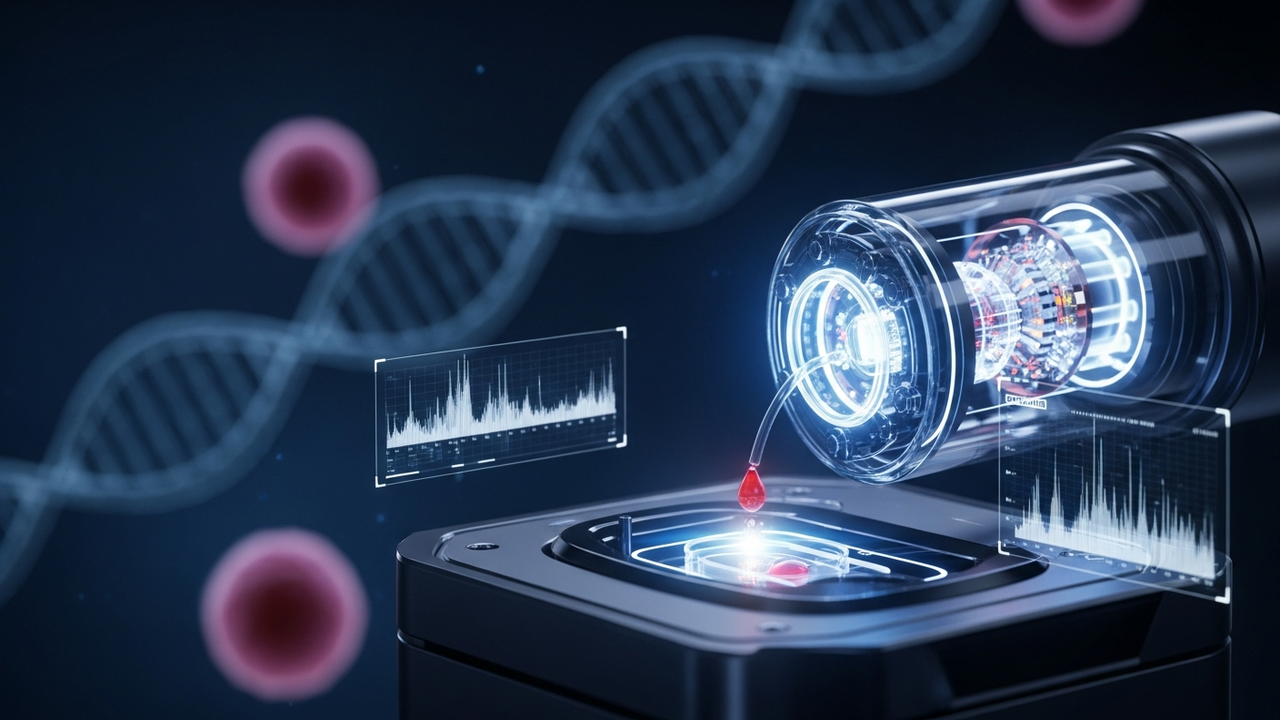
Researchers have successfully developed a novel ultrasensitive biosensor capable of rapidly and accurately detecting early-stage liver fibrosis from just a minimal amount of blood. This groundbreaking technology eliminates the need for invasive procedures like liver biopsy, which is currently the gold standard, offering a simpler and less burdensome early diagnostic tool for patients. Its ability to detect biomarkers from just a few milliliters of blood opens up significant opportunities for routine screening and continuous monitoring.
Technical / Clinical Details
The biosensor is specifically engineered to capture target biomarkers associated with liver fibrosis progression, such as certain proteins or microRNAs in the serum, with exceptional sensitivity. By integrating nanomaterials and electrochemical detection methods, the sensor can identify these target molecules even at extremely low concentrations. This represents a substantial improvement in sensitivity and specificity compared to conventional blood tests, allowing for the detection of subtle changes indicative of early fibrosis. This capability broadens the window for intervention before the disease progresses to irreversible stages. The detection process is rapid, yielding results within minutes, making it highly suitable for Point-of-Care Testing (POCT) environments.
Background & Context
Liver fibrosis is a pathological condition driven by chronic liver diseases, which can ultimately lead to cirrhosis and hepatocellular carcinoma. Historically, early diagnosis has been challenging due to the lack of distinct symptoms in the initial stages. Current diagnostic methods, primarily invasive liver biopsies and less sensitive blood tests, pose significant limitations. This new biosensor has the potential to overcome these challenges, offering a promising avenue for improving patient prognosis through early detection. Prompt intervention in liver disease is critical for expanding treatment options and alleviating the overall burden on healthcare systems.
Strategic Significance & Outlook
This ultrasensitive biosensor holds the potential to revolutionize the diagnostic paradigm for liver fibrosis. It is expected to be widely utilized as a screening tool for high-risk populations, including individuals with viral hepatitis, non-alcoholic steatohepatitis (NASH), and alcoholic liver disease. Following further clinical validation and regulatory approval processes, it could be commercialized within the next few years. Furthermore, the underlying technological platform demonstrates versatility, allowing for its adaptation to detect biomarkers for other diseases, thereby contributing to broader advancements in the diagnostic field.
Get our weekly technology intelligence — free
Receive an infographic that lets you judge at a glance whether each field’s analysis report is worth reading.
Subscribe Free — Weekly Tech Intelligence
By subscribing, you’ll receive Troy-Technical’s weekly technology intelligence newsletter.
- Your email and selected fields are used only to deliver the newsletter.
- We never share your information with third parties.
- You can unsubscribe anytime via the link in each email.
See our Privacy Policy for details.
Takes about a minute · Unsubscribe anytime




Comments