Key Findings
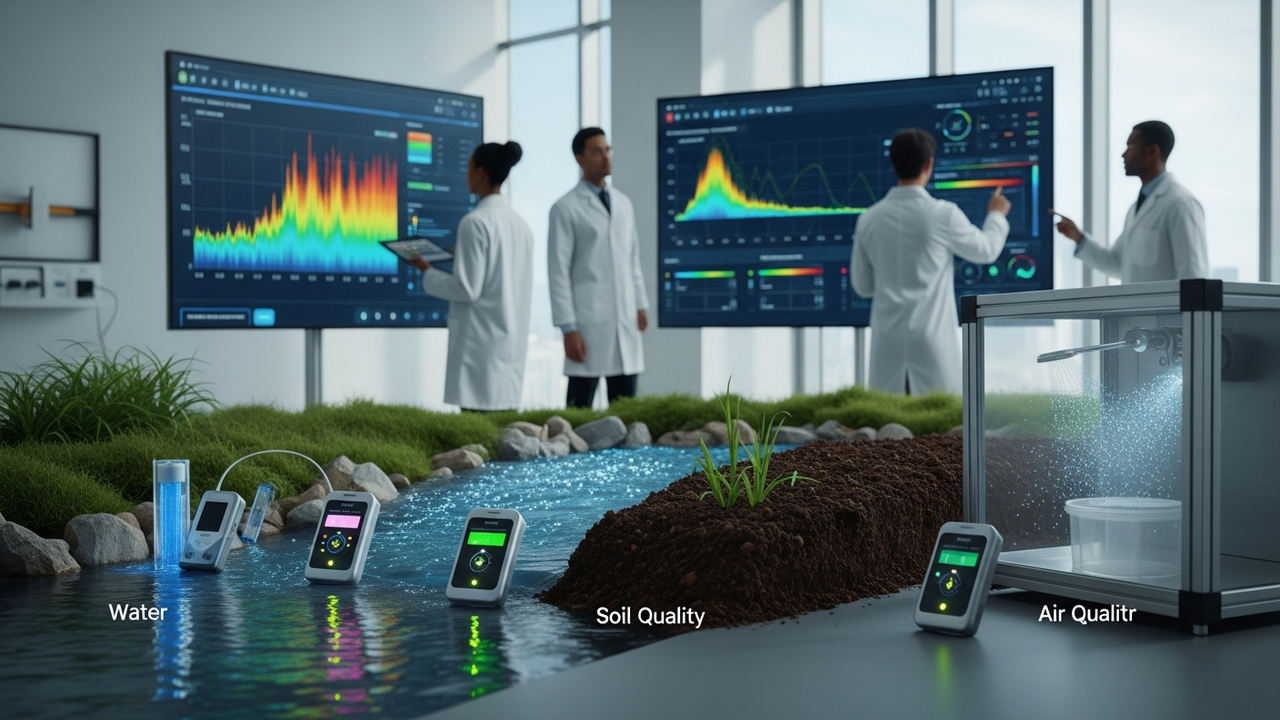
Leading German research institutions have announced the development of groundbreaking Point-of-Care Testing (POCT) technologies for environmental diagnostics. This advancement enables rapid, high-sensitivity, and direct on-site detection of a wide range of pollutants in water, soil, and air. This capability represents a significant leap forward in real-time environmental monitoring and immediate response to hazardous situations, circumventing the reliance on traditional centralized laboratory analyses.
Technical / Clinical Details
The developed POCT technologies are centered around sophisticated biosensor systems designed to target specific chemical compounds, heavy metals, microorganisms, and particulate matter. These sensors, based on electrochemical, optical, or piezoelectric principles, measure interactions with target substances at extremely low detection limits. The entire system is integrated into small, portable analytical devices, facilitating ease of operation in the field. Data is collected and analyzed via a mobile application, providing results within minutes. This rapid turnaround is critical for emergency scenarios such as chemical spills, pesticide contamination, or sudden spikes in airborne hazardous substances, allowing for immediate assessment and response. Compared to conventional lab-based analyses like GC-MS or HPLC, which can take hours or days, this technology condenses the process to mere minutes.
Background & Context
In the field of environmental monitoring, the rapid and accurate detection of pollutants is an urgent imperative. On-site, immediate diagnostics are particularly crucial for intervening before contamination progresses to cause severe damage to ecosystems or public health. However, existing technologies have often been hampered by their complexity, cost, or lengthy analysis times, making widespread field deployment challenging. This new POCT technology from German research institutions aims to overcome these barriers, potentially setting a new standard for environmental management. This development is particularly significant in the context of increasingly stringent environmental regulations within the EU.
Strategic Significance & Outlook
This environmental POCT technology is expected to find broad applications in various sectors, including industrial emission monitoring, soil and water management in agriculture, public water quality testing, and environmental assessment during disaster response. For commercialization, key factors will include demonstrating robustness, reproducibility, and consistent performance across diverse environmental conditions. In the future, by integrating AI and IoT, the technology could contribute to the establishment of automated, wide-area environmental monitoring networks, thereby strengthening proactive environmental protection measures. This innovation represents a crucial step towards achieving a more sustainable society.
Get our weekly technology intelligence — free
Receive an infographic that lets you judge at a glance whether each field’s analysis report is worth reading.
Subscribe Free — Weekly Tech Intelligence
By subscribing, you’ll receive Troy-Technical’s weekly technology intelligence newsletter.
- Your email and selected fields are used only to deliver the newsletter.
- We never share your information with third parties.
- You can unsubscribe anytime via the link in each email.
See our Privacy Policy for details.
Takes about a minute · Unsubscribe anytime









Comments