Key Findings
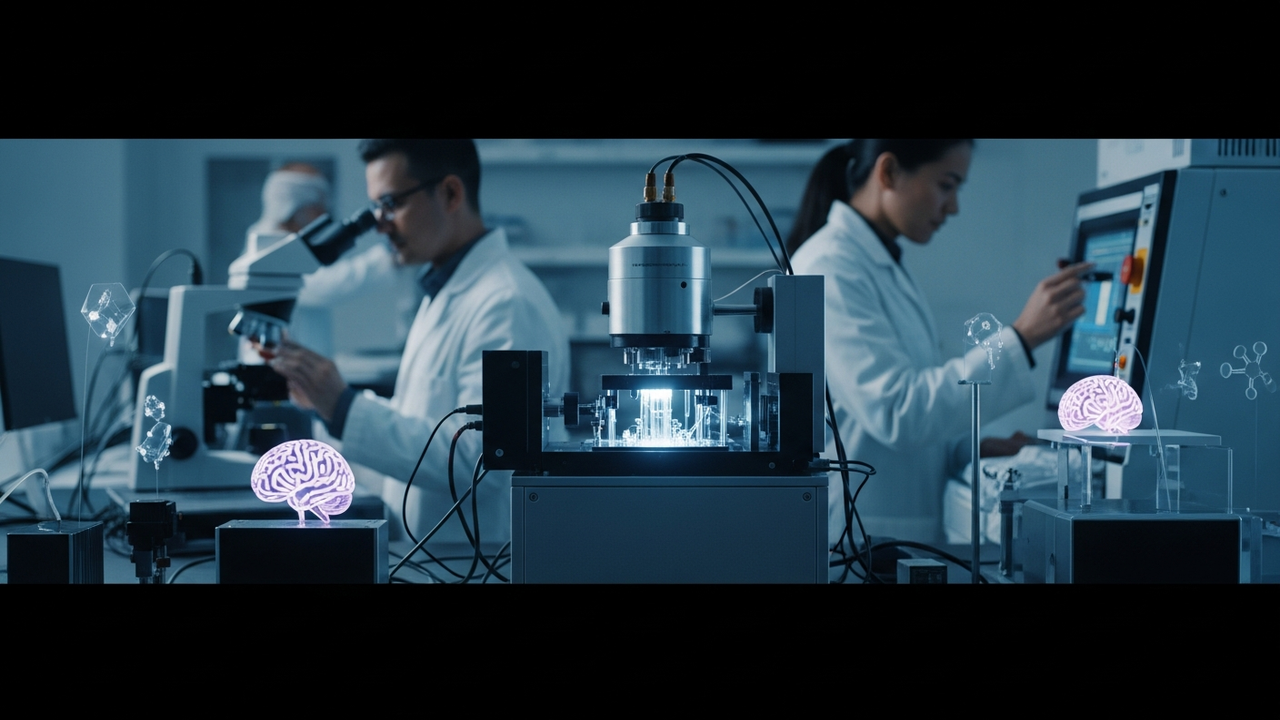
A research team at UT Southwestern Medical Center has announced the development of a novel metabolite biosensor specifically designed for the early diagnosis of certain childhood brain disorders. This innovative sensor can detect specific metabolites indicative of disease with high sensitivity and specificity, enabling intervention at early stages that were previously difficult to diagnose. This achievement holds the potential to fundamentally transform treatment strategies for children affected by neurodevelopmental disorders.
Technical / Clinical Details
The new biosensor is engineered to detect subtle metabolic changes in bodily fluids such as blood, urine, or cerebrospinal fluid. Researchers identified specific metabolic pathways linked to the disorders and immobilized probes on the sensor surface to selectively recognize their products. By combining electrochemical, optical, or mass spectrometric detection principles, even minute concentrations of target metabolites can be quantified with high precision. Crucially, this sensor focuses on biomarkers that emerge early in specific pediatric brain disorders, providing reliable results from less invasive sample collection. This expands its potential for use in newborn screening and routine monitoring, promising to slow disease progression and minimize adverse impacts on cognitive and motor development.
Background & Context
Childhood brain disorders, particularly neurodevelopmental disorders, often suffer from delayed diagnosis despite the critical importance of early detection. This delay is primarily due to non-specific symptoms, the invasiveness of traditional diagnostic methods, or insufficient sensitivity. This biosensor aims to overcome these challenges through a non-invasive, high-sensitivity approach. Early diagnosis at the molecular level is a critical step towards enabling disease-modifying therapies and mitigating the impact on children’s growth and development. Such precise diagnostic tools are indispensable for the advancement of personalized medicine.
Strategic Significance & Outlook
The UT Southwestern research team plans further clinical validation of this metabolite biosensor and will explore its applicability to a broader range of pediatric brain disorders. In the future, this technology is anticipated to be integrated into standard newborn screening programs or utilized for routine health check-ups for at-risk children. This technology represents a significant breakthrough in the biosensor field, promising substantial contributions to diagnostic and therapeutic advancements in pediatric medicine. The improvement in long-term health outcomes through early intervention will bring immeasurable value to patients and their families.
Get our weekly technology intelligence — free
Receive an infographic that lets you judge at a glance whether each field’s analysis report is worth reading.
Subscribe Free — Weekly Tech Intelligence
By subscribing, you’ll receive Troy-Technical’s weekly technology intelligence newsletter.
- Your email and selected fields are used only to deliver the newsletter.
- We never share your information with third parties.
- You can unsubscribe anytime via the link in each email.
See our Privacy Policy for details.
Takes about a minute · Unsubscribe anytime



Comments