Key Findings
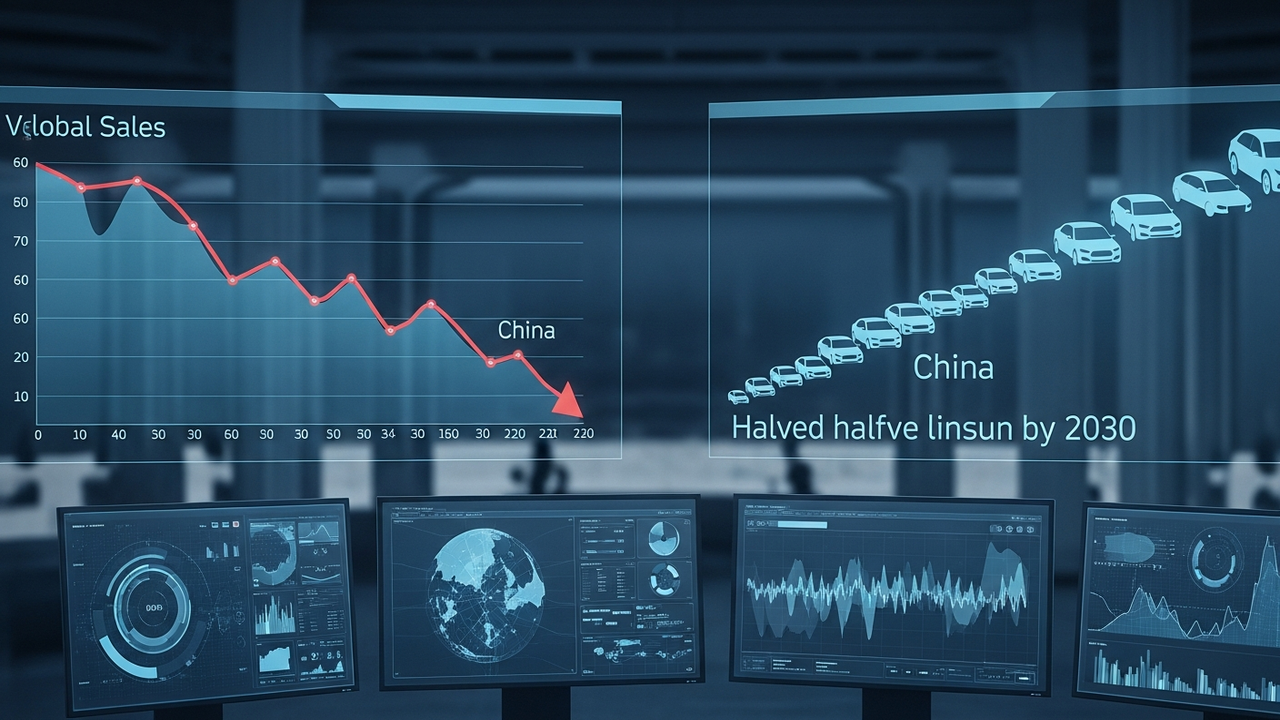
Volkswagen (VW) Group announced a 6.3% year-on-year decrease in global sales for the first half of 2026. A notable 25.9% decline was recorded specifically in the Chinese market, highlighting significant struggles in a key region. In response, the group is pursuing an aggressive strategy to reduce its product lineup by 50% by 2030, aiming to enhance competitiveness and streamline operations.
Technical Details
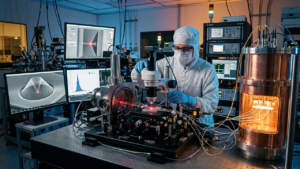
VW Group’s product lineup reduction strategy is designed to concentrate resources on more profitable models, emphasizing electrification and software. This move aims to optimize R&D expenditures and manufacturing costs, thereby strengthening its competitive position in the electric vehicle (EV) market. As part of this strategic pivot, PowerCo, the group’s battery manufacturing division, has secured a contract with Luxembourg-based OCSiAl to supply single-wall carbon nanotubes (SWCNTs). SWCNTs from OCSiAl’s Serbian plant will be supplied to PowerCo’s German factory, which is expected to enhance the energy density, fast-charging capability, and cycle life of lithium-ion batteries, thereby boosting EV appeal and contributing to future sales recovery.
Background & Context
The automotive industry is undergoing a once-in-a-century transformation driven by the “CASE” trends: Connected, Autonomous, Shared, and Electric. Particularly in the EV market, competition is intensifying with emerging players like Tesla and China’s BYD, making efficient production systems and technological innovation urgent priorities for established automakers. VW Group’s sales decline reflects the rise of local brands and economic slowdown in the Chinese market, in addition to the challenges of transitioning from conventional internal combustion engine vehicles to EVs. The lineup reduction is a strategic decision to consolidate unprofitable models and focus on high-value products, thereby rebuilding the foundation for future growth.
Strategic Significance & Outlook
VW Group’s business restructuring and technological investments are geared towards long-term competitive enhancement. Streamlining the product lineup is expected to simplify design, development, and manufacturing processes, leading to cost reductions and faster time-to-market. Furthermore, the development of high-performance batteries through the partnership with OCSiAl will be a critical factor in boosting the competitiveness of EV products and regaining consumer confidence. However, the key to regaining momentum in the Chinese market and securing leadership in the global EV market lies in the swift and effective execution of these strategies. VW Group aims to maintain its position as a major player shaping the future of the automotive industry through the integration of advanced technologies like nanotechnology.
Source: https://www.marklines.com/en/news/347492
Get our weekly technology intelligence — free
Receive an infographic that lets you judge at a glance whether each field’s analysis report is worth reading.
Subscribe Free — Weekly Tech Intelligence
By subscribing, you’ll receive Troy-Technical’s weekly technology intelligence newsletter.
- Your email and selected fields are used only to deliver the newsletter.
- We never share your information with third parties.
- You can unsubscribe anytime via the link in each email.
See our Privacy Policy for details.
Takes about a minute · Unsubscribe anytime

Comments