Key Findings
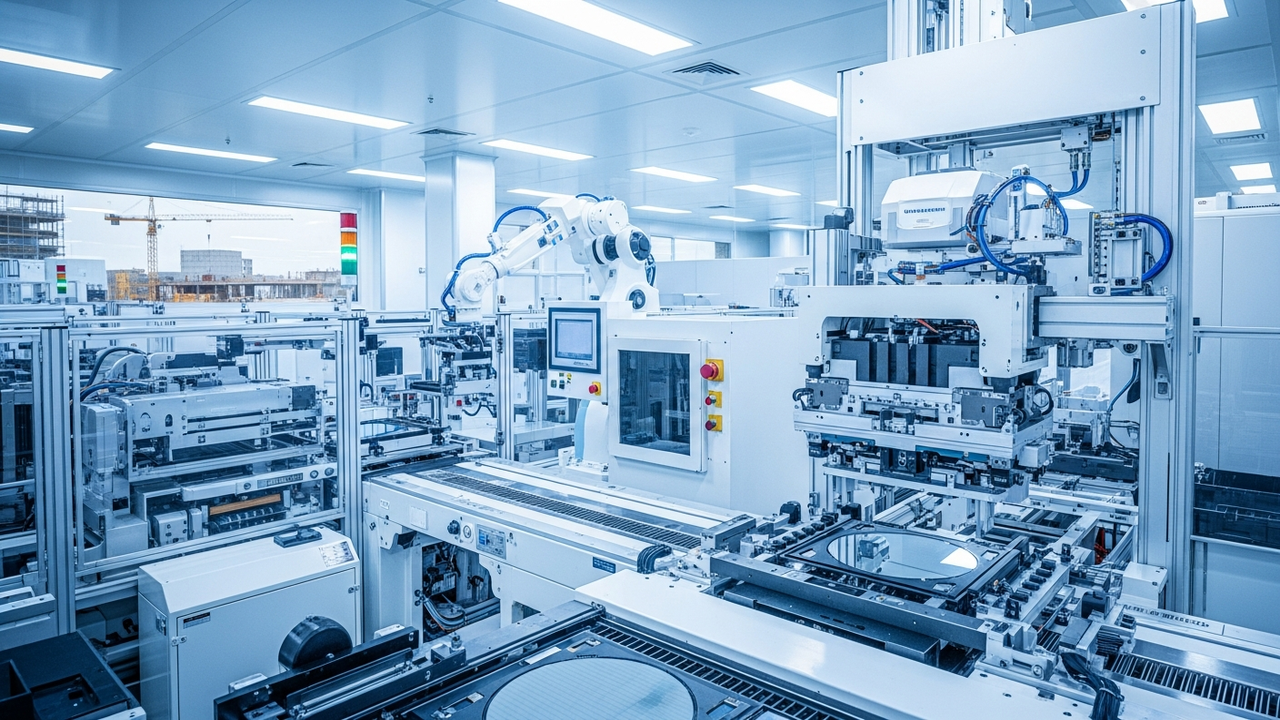
Taiwanese company Wah Lee and Japan’s Asahi Kasei have announced a significant increase in their high-resolution dry film photoresist production capacity in Tainan, doubling it to address the surging demand for ABF (Ajinomoto Build-up Film) substrates. This demand is primarily fueled by the rapid advancements in AI, High-Performance Computing (HPC), and advanced packaging technologies. The expansion is a strategic response to the projected ABF substrate shortage, expected to last until 2028, aiming to fortify the global semiconductor materials supply chain.
Technical and Clinical Details
Photoresist is an indispensable photosensitive material used in semiconductor manufacturing and packaging processes to transfer circuit patterns onto substrates. High-resolution dry film photoresist is particularly crucial for forming the intricate circuits on ABF substrates, and its quality and stable supply are paramount for achieving the high-density, multi-layered packaging required by AI chips. Wah Lee’s photoresist products are already widely adopted by major Taiwanese ABF substrate manufacturers such as Unimicron, Nan Ya PCB, and Kinsus, with related business revenues recording high double-digit growth. This doubling of production capacity is a strategic move to meet market expectations and prepare for future demand expansion. Specifically, it involves expanding and optimizing production lines to significantly increase supply, helping alleviate production bottlenecks for substrate manufacturers.
Background and Industry Context
The performance enhancement of AI chips heavily relies on advanced packaging techniques like chiplet technology and 3D stacking, which are closely linked to the evolution of ABF substrates. ABF substrates are key materials for forming the complex circuits of high-performance AI chips, but their manufacturing requires advanced technology, specialized materials, and long lead times, always posing a risk of supply shortages. As Ajinomoto supplies over 95% of the global ABF film market, this market is dependent on a few specialized companies, leading to a severe shortage of materials across the supply chain. The collaboration and investment by Wah Lee and Asahi Kasei are crucial efforts to address this bottleneck and contribute to the stabilization of the entire semiconductor ecosystem.
Strategic Significance and Outlook
The doubling of high-resolution dry film photoresist production capacity will directly contribute to alleviating the ABF substrate shortage and, by extension, support the expansion of AI chip production. This will accelerate the development of various fields requiring high-performance semiconductors, including AI, HPC, and autonomous driving technologies. Strengthening the supply chain reduces the risk of concentration in a single market and fosters stable growth for the global semiconductor industry. Going forward, strategic investments in substrate materials and specialty chemical suppliers will continue to be indispensable factors in supporting semiconductor manufacturing in the AI era.
Source: https://finance.biggo.com/news/b932f968-9a1d-46c6-b2d3-6698bfb48dad
Get our weekly technology intelligence — free
Receive an infographic that lets you judge at a glance whether each field’s analysis report is worth reading.
Subscribe Free — Weekly Tech Intelligence
By subscribing, you’ll receive Troy-Technical’s weekly technology intelligence newsletter.
- Your email and selected fields are used only to deliver the newsletter.
- We never share your information with third parties.
- You can unsubscribe anytime via the link in each email.
See our Privacy Policy for details.
Takes about a minute · Unsubscribe anytime







Comments