
Key Findings
Novo Nordisk has reported the successful completion of the Phase 1/2 clinical trial for its embryonic stem cell (ESC)-derived dopaminergic cell therapy for Parkinson’s disease, with 12-month data affirming both the feasibility of transplantation and a favorable safety profile. Published in Nature Medicine, these results provide early, crucial evidence for the potential of stem cell-based treatments in addressing this debilitating neurodegenerative condition.
Technical and Clinical Details
The trial involved direct intracranial transplantation of ESC-derived dopaminergic neural progenitor cells into patients with moderate Parkinson’s disease. Over the 12-month follow-up period, no serious adverse events or unexpected safety concerns were reported, indicating good tolerability of the therapy. Initial signs of engraftment and potential dopamine production were also observed, suggesting a path toward functional improvement. This approach aims to replace degenerated dopamine-producing neurons, thereby addressing the root cause of the primary motor symptoms associated with Parkinson’s disease.
Background & Context
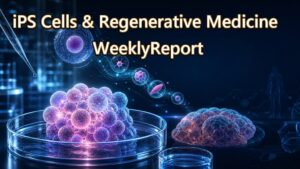
Parkinson’s disease, characterized by the progressive loss of dopamine-producing neurons, currently relies on symptomatic treatments. Regenerative medicine, particularly the replacement of these lost neurons with stem cell-derived cells, has long been a beacon of hope for a curative intervention. Novo Nordisk’s announcement marks a significant early-stage clinical milestone for ESC-derived cell therapies in this field, potentially accelerating further research and development. Similar strides have been observed with iPSC-derived therapies, such as the long-term safety confirmation of iPS cell therapy for spinal cord injury in Japan.
Strategic Significance & Outlook
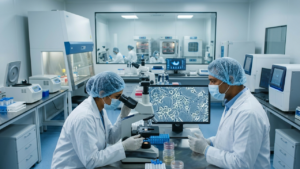
The encouraging safety data from this trial are expected to support progression to larger, efficacy-focused Phase 2/3 clinical studies. Key challenges ahead include ensuring long-term engraftment and functional integration of the transplanted cells, optimizing immunosuppressive regimens, and, critically, demonstrating clear efficacy in improving patient motor function and quality of life. Standardization and scale-up of cell manufacturing will also be vital for eventual commercialization. This pioneering research offers substantial promise for the future of regenerative medicine in treating challenging neurodegenerative diseases.
Source: https://theregenreport.com/tag/ipsc-esc/
Get our weekly technology intelligence — free
Receive an infographic that lets you judge at a glance whether each field’s analysis report is worth reading.
Subscribe Free — Weekly Tech Intelligence
By subscribing, you’ll receive Troy-Technical’s weekly technology intelligence newsletter.
- Your email and selected fields are used only to deliver the newsletter.
- We never share your information with third parties.
- You can unsubscribe anytime via the link in each email.
See our Privacy Policy for details.
Takes about a minute · Unsubscribe anytime



Comments