
Key Findings
According to a retrospective cohort study published on PubMed on July 21, 2026, the implementation of real-time continuous glucose monitoring (RT-CGM) in non-insulin-treated individuals with Type 2 diabetes led to a reduction in inpatient and emergency department encounters, alongside a substantial decrease in associated medical costs. This research provides critical evidence demonstrating the positive impact of RT-CGM on healthcare resource utilization (HRU) and related expenditures for diabetes patients.
Technical and Clinical Details
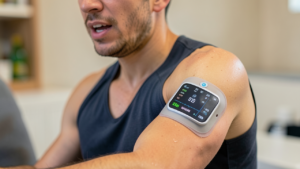
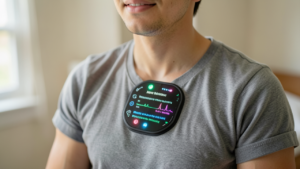
The study analyzed US administrative claims data for Type 2 diabetes patients not on insulin therapy who initiated RT-CGM devices, such as the Dexcom G-series systems. RT-CGMs continuously measure glucose levels in interstitial fluid, providing real-time data to both patients and healthcare providers. This empowers patients to gain a more precise understanding of their glucose fluctuation patterns, enabling enhanced self-management through adjustments in diet, exercise, and oral medications. The findings indicated a significant reduction in both inpatient admissions and emergency department visits, along with a marked decrease in associated medical costs, particularly among the patient cohort with prior frequent healthcare encounters before RT-CGM initiation. While specific percentage reductions are not detailed in the snippet, the report emphasizes a ‘significant reduction.’
Background and Industry Context
Type 2 diabetes is a progressive chronic disease associated with various complications, including cardiovascular disease, nephropathy, and neuropathy, necessitating long-term glycemic control. Even for non-insulin users, appropriate glucose management is crucial for preventing complications and maintaining quality of life. However, traditional finger-prick blood glucose testing often fails to capture the full spectrum of glucose variability and imposes a significant burden on patients. RT-CGM overcomes these limitations by providing comprehensive glucose profiles, enhancing patient self-management capabilities, and enabling more personalized treatment strategies. The current study’s findings underscore the high value of RT-CGM not only for clinical outcomes but also for healthcare economics, serving as vital information for policymakers and insurance providers.
Strategic Significance and Outlook
These research findings validate the expansion of RT-CGM applicability to non-insulin-treated Type 2 diabetes patients, potentially encouraging broader access for this population. In the future, the integration of RT-CGM data with other digital health data (e.g., wearable activity trackers, dietary logging apps) is expected to facilitate even more advanced personalized medicine. Leveraging AI and machine learning algorithms will enable predictive analytics and intervention guidance tailored to individual patient lifestyles, making diabetes prevention and management more effective and efficient. This could contribute to alleviating the overall healthcare burden of diabetes and improving public health on a societal level.
Source: https://pubmed.ncbi.nlm.nih.gov/42478696/
Get our weekly technology intelligence — free
Receive an infographic that lets you judge at a glance whether each field’s analysis report is worth reading.
Subscribe Free — Weekly Tech Intelligence
By subscribing, you’ll receive Troy-Technical’s weekly technology intelligence newsletter.
- Your email and selected fields are used only to deliver the newsletter.
- We never share your information with third parties.
- You can unsubscribe anytime via the link in each email.
See our Privacy Policy for details.
Takes about a minute · Unsubscribe anytime




Comments