Key Findings
NASA astronaut Victor Glover, who served as pilot for the Artemis II mission, has proposed that the selection of the Artemis IV lunar landing site should reconsider the equatorial region, rather than solely focusing on the previously favored lunar South Pole. Glover asserts that prioritizing swift landings and astronaut safety makes the equatorial area, known for longer daylight periods and a history of successful Apollo missions, a more practical choice.
Technical Details
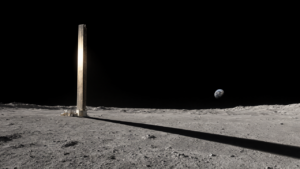
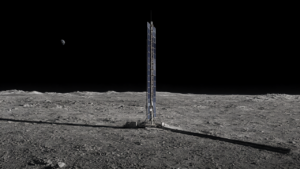
The lunar South Pole has garnered significant attention due to its high potential for water ice resources, which are crucial for future lunar base construction and long-term human presence. However, the polar regions present challenging terrains, extreme temperature variations, and often unstable communication environments. In contrast, the lunar equator offers extended periods of sunlight, flatter landscapes, and a proven track record from the Apollo program. Glover’s proposal emphasizes a safer operational profile, considering potential waiting times during medical emergencies and risks associated with emergency liftoffs. Current technologies still face numerous challenges for extended stays and rapid responses at the South Pole.
Background & Context
The Artemis program aims to establish a sustainable human presence on the Moon and serve as a stepping stone for eventual crewed missions to Mars. Consequently, the utilization of lunar resources, especially water ice, has been a paramount consideration. Previous plans had explored landing in the South Pole region for Artemis III and subsequent missions. However, the complexity of lunar operations and the need for enhanced safety considerations are prompting more flexible approaches. Input from experienced astronauts like Glover provides crucial operational realism to mission planning.
Strategic Significance & Outlook
Glover’s proposal could significantly influence the landing site selection discussions for the next phase of NASA’s Artemis program. While the importance of water ice resources remains high, a strategy prioritizing lower-risk regions for initial crewed landing missions might be considered to balance mission success rates with astronaut safety. This could potentially lead to some revisions in the Artemis program’s timeline and technical development priorities. The final decision will likely be based on a comprehensive assessment of technological readiness, cost, and safety considerations.
Get our weekly technology intelligence — free
Receive an infographic that lets you judge at a glance whether each field’s analysis report is worth reading.
Subscribe Free — Weekly Tech Intelligence
By subscribing, you’ll receive Troy-Technical’s weekly technology intelligence newsletter.
- Your email and selected fields are used only to deliver the newsletter.
- We never share your information with third parties.
- You can unsubscribe anytime via the link in each email.
See our Privacy Policy for details.
Takes about a minute · Unsubscribe anytime