Key Findings
Dry electrode manufacturing technology is emerging as one of the most critical advancements in next-generation battery technology, holding the potential to significantly cut battery production costs, enhance efficiency, and reduce environmental impact. This technique also contributes to higher energy density and improved temperature tolerance, and is widely reported to be integrated into Tesla’s innovative 4680 battery cells.
Technical Details
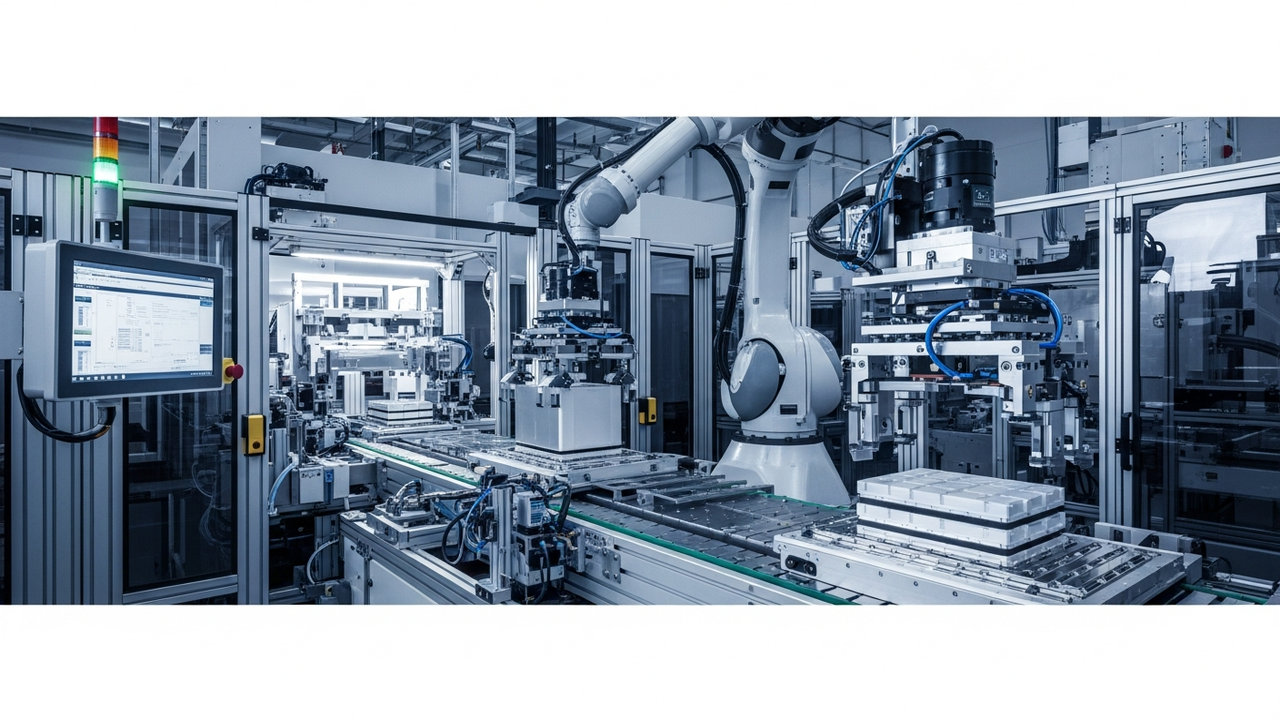
Conventional electrode manufacturing processes involve dispersing active materials, conductive additives, and binders in solvents to form a slurry, which is then coated onto current collectors. This is followed by an energy-intensive drying step to remove the solvents. In contrast, dry electrode manufacturing completely bypasses solvents, directly mixing powdered active materials and binders, then forming electrode sheets through a dry rolling process. This ‘dry’ approach eliminates the need for the drying step, substantially reducing manufacturing time, energy consumption, and capital expenditure. Furthermore, it allows for more precise control over electrode structure, which is expected to result in higher battery energy density and extended cycle life.
Background & Context
Amid explosive growth in battery demand, reducing manufacturing costs and environmental impact are urgent challenges for the entire battery industry. Particularly in the electric vehicle (EV) market, where battery costs represent a significant portion of vehicle price, cost-cutting technologies like dry electrodes are essential for enhancing competitiveness. Tesla’s reported adoption of this technology in its 4680 batteries underscores its practical viability and immense potential market impact. This also improves the sustainability of battery manufacturing, accelerating the transition to clean energy.
Strategic Significance & Outlook
Dry electrode manufacturing technology holds the potential to fundamentally transform battery performance and production efficiency. Widespread adoption of this technology is expected to lead to the market availability of more affordable and higher-performing batteries, thereby boosting EV adoption and reducing the cost of renewable energy storage. Multiple battery manufacturers and research institutions are actively investing in this area, with further technological breakthroughs and commercialization anticipated in the coming years.
Source: https://www.slashgear.com/2219121/battery-tech-advancements-2026-and-beyond/
Get our weekly technology intelligence — free
Receive an infographic that lets you judge at a glance whether each field’s analysis report is worth reading.
Subscribe Free — Weekly Tech Intelligence
By subscribing, you’ll receive Troy-Technical’s weekly technology intelligence newsletter.
- Your email and selected fields are used only to deliver the newsletter.
- We never share your information with third parties.
- You can unsubscribe anytime via the link in each email.
See our Privacy Policy for details.
Takes about a minute · Unsubscribe anytime