Key Findings: Exosome DDS and Personalized mRNA Cancer Vaccines Identified as Leading Tech Trends for 2026, with Numerous Clinical Trials Underway
A report from Today Tech Times on the top technology trends for 2026 highlights exosome drug delivery systems (DDS) and personalized mRNA cancer vaccines as particularly significant advancements in the medical field. These technologies are contributing to progress in targeted drug delivery and personalized medicine, respectively, with their efficacy being validated through a growing number of clinical trials.
Technical and Clinical Details: Exosome’s Targeted Delivery Capabilities and Personalized mRNA Vaccine Immunogenicity
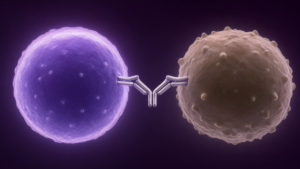
Exosome DDS utilizes exosomes, nano-sized vesicles naturally secreted by cells, to efficiently deliver therapeutic agents to specific diseased cells in the body with low immunogenicity. According to the report, over 200 exosome-related clinical trials are currently in progress, demonstrating their diverse application potential. Exosomes are highly biocompatible and capable of crossing biological barriers, such as the blood-brain barrier, making them promising for a wide range of diseases including cancer, neurodegenerative disorders, and inflammatory conditions. Personalized mRNA cancer vaccines, on the other hand, are designed based on the unique mutations (neoantigens) present in an individual patient’s tumor. These vaccines aim to induce a robust immune response, training the patient’s immune system to specifically recognize and eliminate cancer cells. Clinical trials, particularly for pancreatic cancer and melanoma, have shown promising results, indicating that these vaccines can suppress tumor progression and improve patient prognosis. Synergistic effects with standard therapies are also anticipated.
Background and Industry Context: Precision Medicine and AI Drive New DDS and Therapies
Recent advancements in medical technology have significantly shifted towards precision and personalized medicine. Cutting-edge technologies like artificial intelligence (AI) and quantum computing are being integrated into the drug discovery process, accelerating the identification of new therapeutic targets and the optimization of molecular designs. Within this context, exosome DDS stands out as a promising technology capable of overcoming the biocompatibility and targeting challenges faced by conventional nanocarriers. Similarly, the rapid development of mRNA technology has greatly advanced the realization of personalized cancer vaccines. The ability to develop tailored therapeutics based on patient-derived genomic information represents a groundbreaking leap in cancer treatment.
Future Outlook: Paradigm Shift in Treatment and Broader Disease Applications
Both exosome DDS and personalized mRNA cancer vaccines hold the potential to profoundly transform medical paradigms in the coming years. Exosome technology’s applications are envisioned to extend beyond cancer and neurological disorders to include autoimmune diseases and infectious disease treatments. Personalized mRNA cancer vaccines, if their efficacy and safety are further established through additional clinical trials, are expected to become a part of standard care for various cancer types. Both technologies are anticipated to significantly improve human health and quality of life by offering more effective, less toxic, and patient-centric therapies. Scaling up manufacturing and improving cost-efficiency will be the next crucial steps for broad dissemination of these innovative treatments.
Source: #
Get our weekly technology intelligence — free
Receive an infographic that lets you judge at a glance whether each field’s analysis report is worth reading.
Subscribe Free — Weekly Tech Intelligence
By subscribing, you’ll receive Troy-Technical’s weekly technology intelligence newsletter.
- Your email and selected fields are used only to deliver the newsletter.
- We never share your information with third parties.
- You can unsubscribe anytime via the link in each email.
See our Privacy Policy for details.
Takes about a minute · Unsubscribe anytime